
EMPC
Book a visit
A hand holding a stair railing in the sun

Dizziness and Vertigo Treatment in Mississauga

When the room won't stay still.

Spinning, light-headedness or feeling unsteady can often be helped with physiotherapy. We test what's behind yours and treat it, with exercises you can do at home.

  • Same-week assessment
  • No referral required
  • Direct insurer billing

A clinical look at dizziness and vertigo.
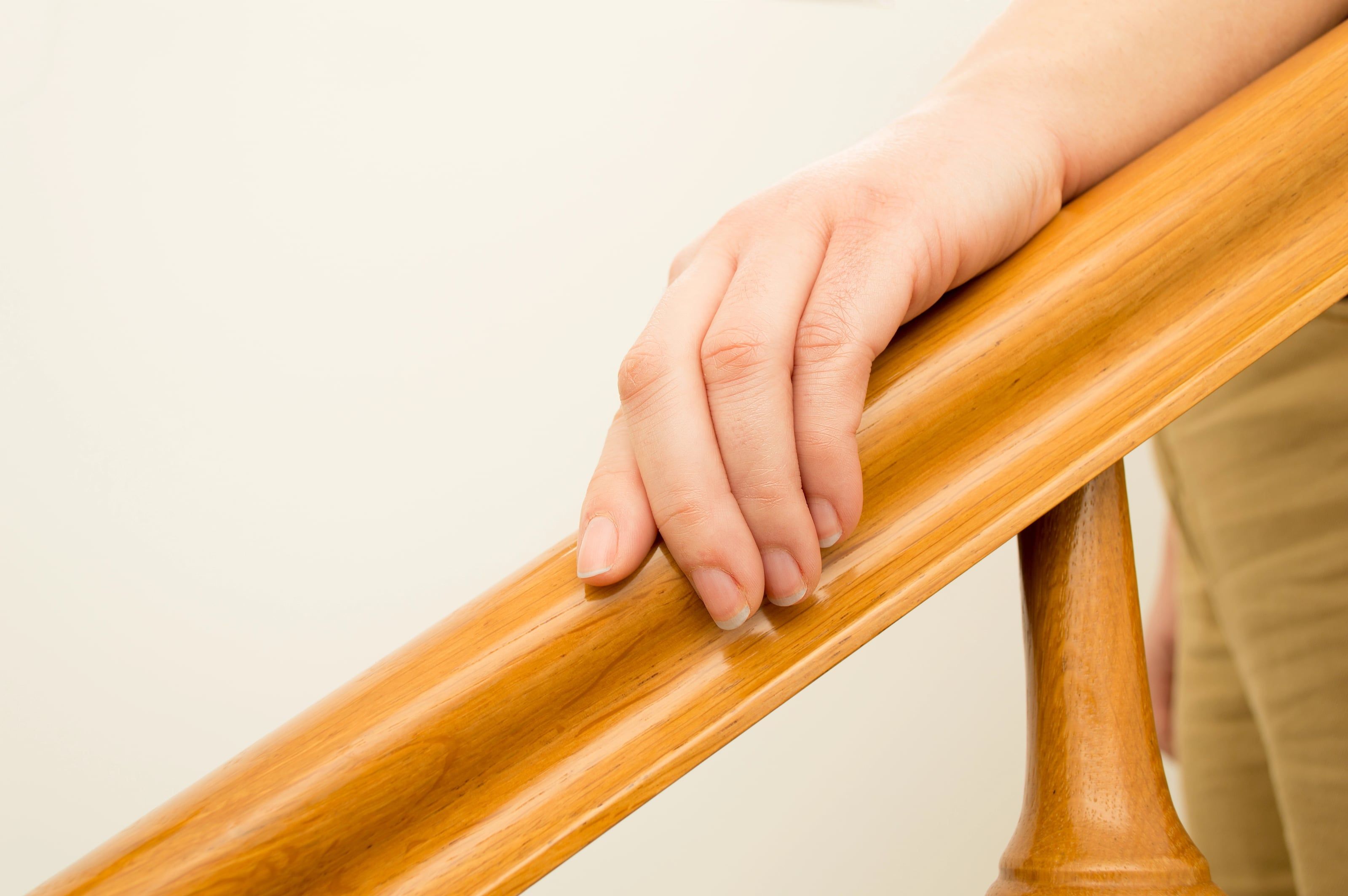
A hand resting on a wooden stair railing
Assessment and treatment for dizziness and vertigo in Mississauga.

Dizziness and vertigo are common reasons people see a physiotherapist. At European Massage & Physiotherapy Center in Mississauga, we assess and treat vertigo that comes on with head movements, dizziness that lingers after an illness or injury, and balance problems, with vestibular physiotherapy. You don't need a referral. Book online or call (905) 270-5553.

Many cases start in the inner ear, which senses head movement and helps you balance. The most common is BPPV, when tiny crystals in the inner ear move out of place. Others follow an inner ear infection or a neck problem, and some dizziness has causes outside the inner ear that need a doctor.

Treatment depends on the cause: repositioning manoeuvres for BPPV, and exercises that train the eyes, inner ear and balance to work together for other problems. You practise them at home between visits.

Many extended health plans cover physiotherapy, including vestibular physiotherapy, and we can bill many insurers directly. Some plans ask for a doctor's note before they pay.

How dizziness and vertigo shows up.

Spinning, light-headedness or unsteadiness. Each points to a different cause.

  • Spinning vertigo

    A sense that you or the room is spinning, often brought on by rolling over in bed, looking up or bending down.

  • A woozy, unsteady head

    Feeling woozy or not quite right in the head, especially when you turn or move quickly.

  • Unsteadiness

    Feeling off balance on your feet, needing to hold on to something, or drifting to one side when you walk.

  • Trouble in busy places

    Supermarket aisles, crowds or scrolling screens make the dizziness worse.

Where dizziness and vertigo actually comes from.

The usual causes, from everyday strains to conditions that build up over years.

i.

Loose inner ear crystals

called BPPV, the most common cause of vertigo that comes on with head movements.

ii.

Inner ear inflammation

an infection can inflame the balance nerve and leave dizziness that lingers after the illness has passed.

iii.

Neck problems

stiffness or injury in the neck, after a car accident for example, can bring on dizziness.

iv.

Less activity

dizziness makes people move less, and moving less can make balance worse.

v.

Other medical causes

blood pressure, heart problems, some medications and some inner ear diseases need a doctor's assessment.

Signs the body needs a clinician.

Most dizziness can wait for an appointment. A few signs need care straight away.

Sudden severe dizziness with other symptoms

Call 911 for dizziness with new weakness or numbness, slurred speech, trouble seeing, a severe headache, chest pain, a racing or irregular heartbeat, fainting, or being unable to stand or walk.

Dizziness with hearing changes

Sudden hearing loss in one ear needs a doctor the same day. Ringing or fullness in one ear should also be checked by your doctor.

Dizziness that keeps coming back

Repeated spells of vertigo or unsteadiness are worth having assessed.

Falls or near falls

If you've fallen or nearly fallen, it's worth having your balance assessed soon.

Red flags — don't wait. Sudden severe dizziness with new weakness or numbness, slurred speech, a drooping face, trouble seeing, a sudden severe headache, chest pain, a racing or irregular heartbeat, fainting, or being unable to stand or walk: call 911. These can be signs of a stroke or a heart problem.
Call (905) 270-5553

A four-step plan.

Every plan is built around what we find at your assessment, and we review it at each visit.

i.

Test and explain.

We ask what the dizziness feels like and what brings it on, test your balance, eye movements and head positions, and explain what we find.

ii.

Treat the cause.

Repositioning manoeuvres for loose inner ear crystals, and treatment for the neck when it's involved.

iii.

Retrain balance.

Exercises that help your eyes, inner ear and balance work together, made harder step by step.

iv.

Build confidence.

Practice with the movements and places that bring on the dizziness, at a pace you can manage.

Who treats it.

Practitioners at EMPC who offer one of these modalities. Each one links to their profile, where you can book with them.

What to expect on the day.

Your first visit is an assessment of about an hour, ending with a plan.

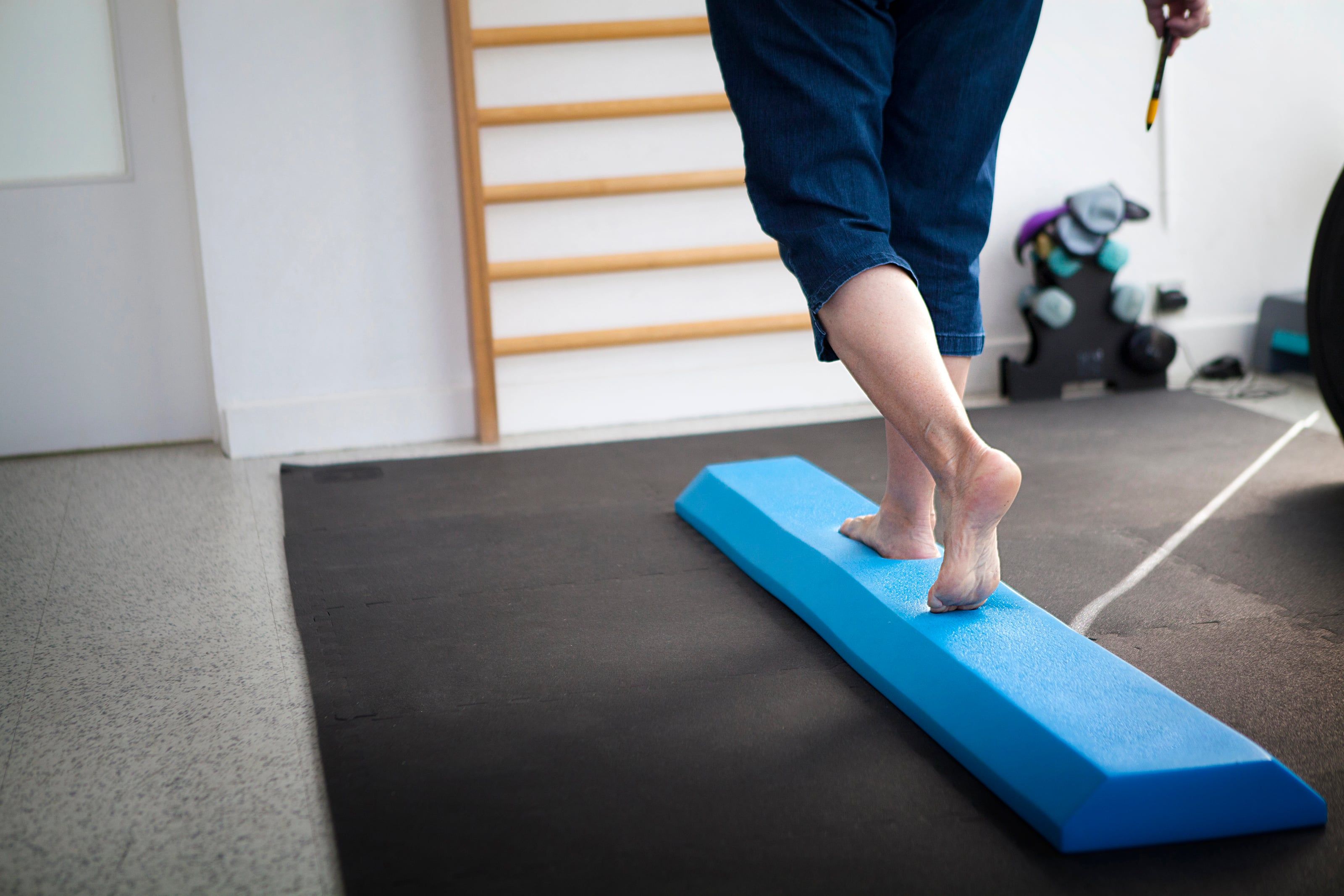
Bare feet walking heel to toe along a low balance beam

Your history.

When the dizziness started, what it feels like, what brings it on, your health and any medication.

A hand resting on a wooden stair railing

The tests.

Balance, eye movement and head position tests, and a check of your neck. Some can briefly bring on dizziness, so each one is explained first.

A hand holding a stair railing in the sun

Your plan.

What we think is going on, what we'll do, the exercises to start with, and how often to come back.

What recovery actually looks like.

A typical course of care. Everyone's recovery is different, and your practitioner will tell you what to expect for yours.

First visits

Find the cause.

Tests, and treatment such as a repositioning manoeuvre when the tests point to one.

Following weeks

Retrain balance.

Exercises progress as your symptoms allow, and visits usually become less frequent.

After that

Keep it going.

A short routine of your own, and a check-in if the dizziness comes back.

Common questions

What patients most often ask.

Usually BPPV, when tiny crystals in the inner ear move out of place. It's common, and it's commonly treated with repositioning manoeuvres, a series of head and body movements done in the clinic.

If your dizziness is new and hasn't been checked, or comes with ringing or fullness in one ear, see your doctor first. Sudden hearing loss needs a doctor the same day. Call 911 for sudden dizziness with weakness, slurred speech, trouble seeing, chest pain or fainting.

Some can, briefly, because they look for the movements that bring it on. Your physiotherapist explains each one first, and you can stop at any time.

No. Physiotherapists in Ontario can see you without a referral. Some insurance plans ask for a doctor's note before they pay, so check your plan if you'll be claiming.

Many extended health plans cover physiotherapy, including vestibular physiotherapy, and we can bill many insurers directly.

A hand resting on a wooden stair railing
Same-week assessments available

Start with an assessment.

  • Phone (905) 270-5553
  • Address 1140 Burnhamthorpe Rd W, Unit 123