i. Step one
The history.
Sixty minutes — most of it talking. When did it start, what makes it worse, what makes it ease, what have you tried, and what would a good week look like.
First visit · 60 minutes
Most pain has a name and a shape. Tell us where it lives — and we'll show you the modalities, the timeline, and the people most likely to move it.
These are the eight presentations we see most often in the clinic — they account for nearly four out of every five first visits. They are not the only things we treat.
If your story doesn't match a card here, it doesn't mean we can't help. Use the filter, call us, or book a thirty-minute assessment and we'll talk it through together.
Try clearing some filters — or talk to us and we'll find the right care for what you're describing.

"Most back pain eases within a few weeks, but some lingers or keeps coming back. We assess what's behind yours and treat it, with physiotherapy, chiropractic and massage under one roof."
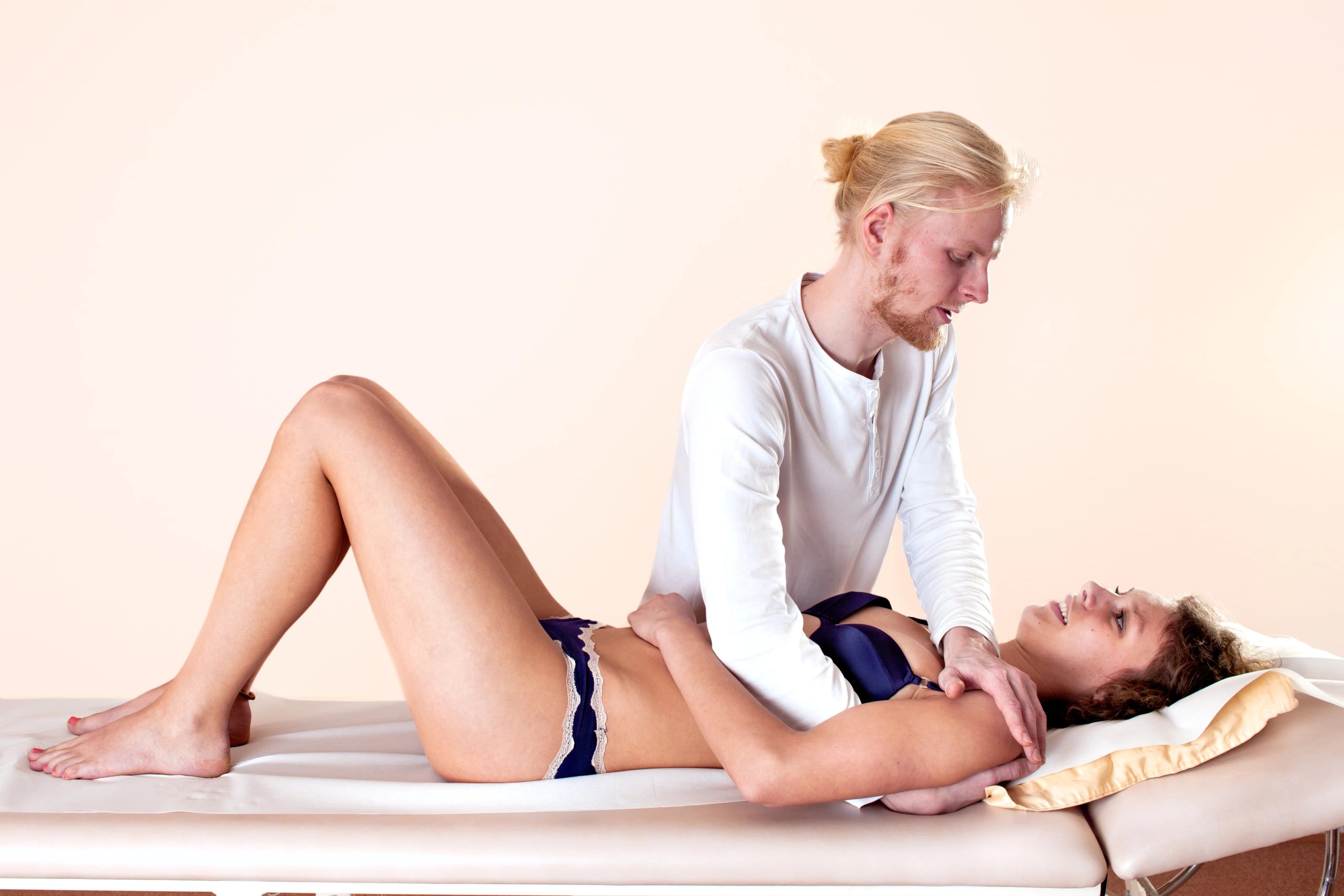
"Neck pain often builds over long days at a desk or a screen, and it can bring headaches with it. We find what's behind yours and treat it, hands-on and with exercises you can do at home."
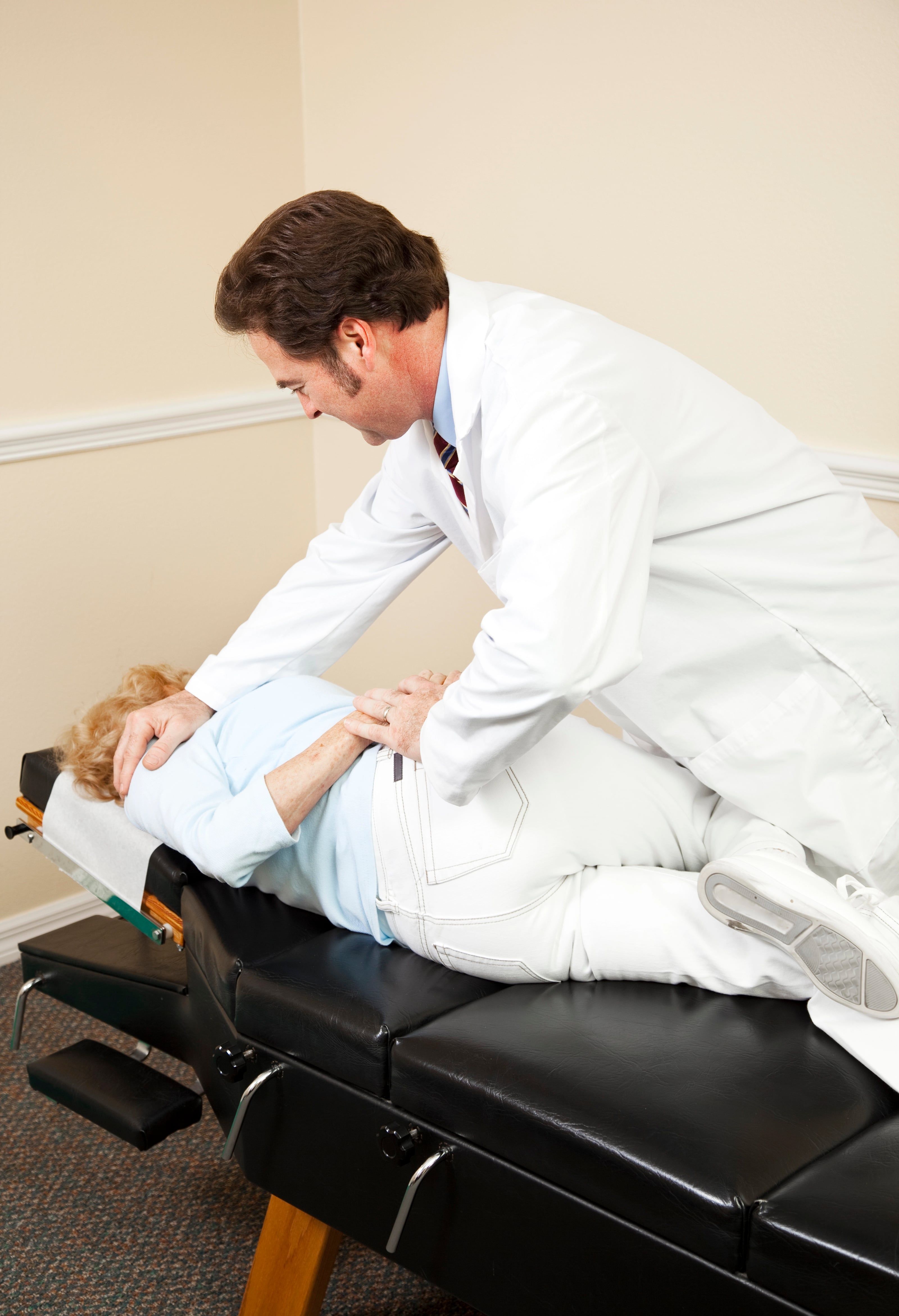
"When reaching up, behind you or across your body starts to hurt, everyday tasks get harder. We find out what's behind your shoulder pain and treat it, with hands-on care and exercise."
"Hip pain can turn a walk, a flight of stairs or a night's sleep into hard work. We assess what's behind yours, from arthritis to a sore tendon, and treat it with hands-on care and exercise."
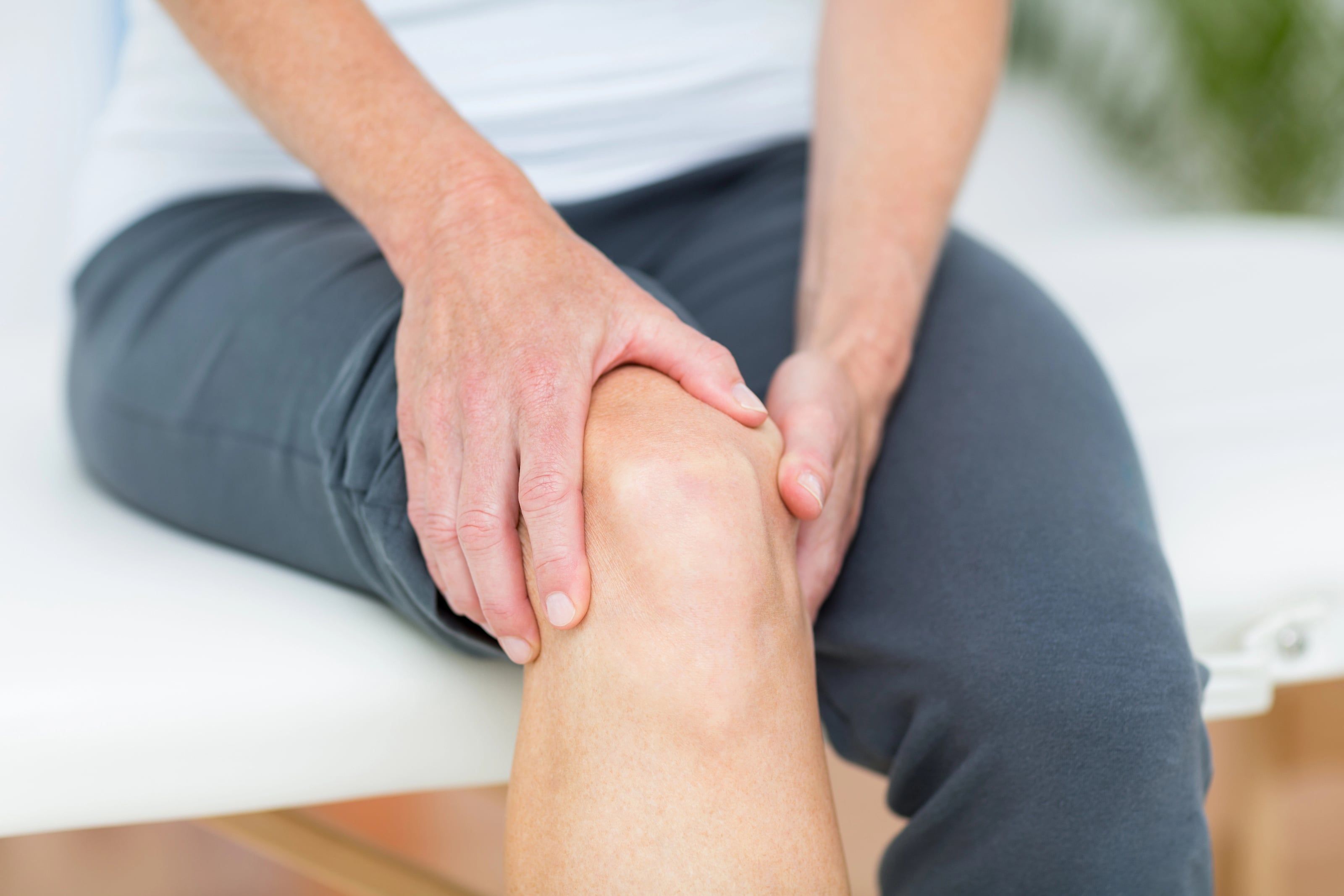
"Whether your knee pain comes from wear, a twist on the field or surgery, we assess what's going on and treat it with hands-on care and exercise that builds strength."

"Heel pain on your first steps, an aching arch or a sore Achilles can make every walk harder. We find out what's behind your foot pain and treat it, with custom orthotics when they fit the problem."
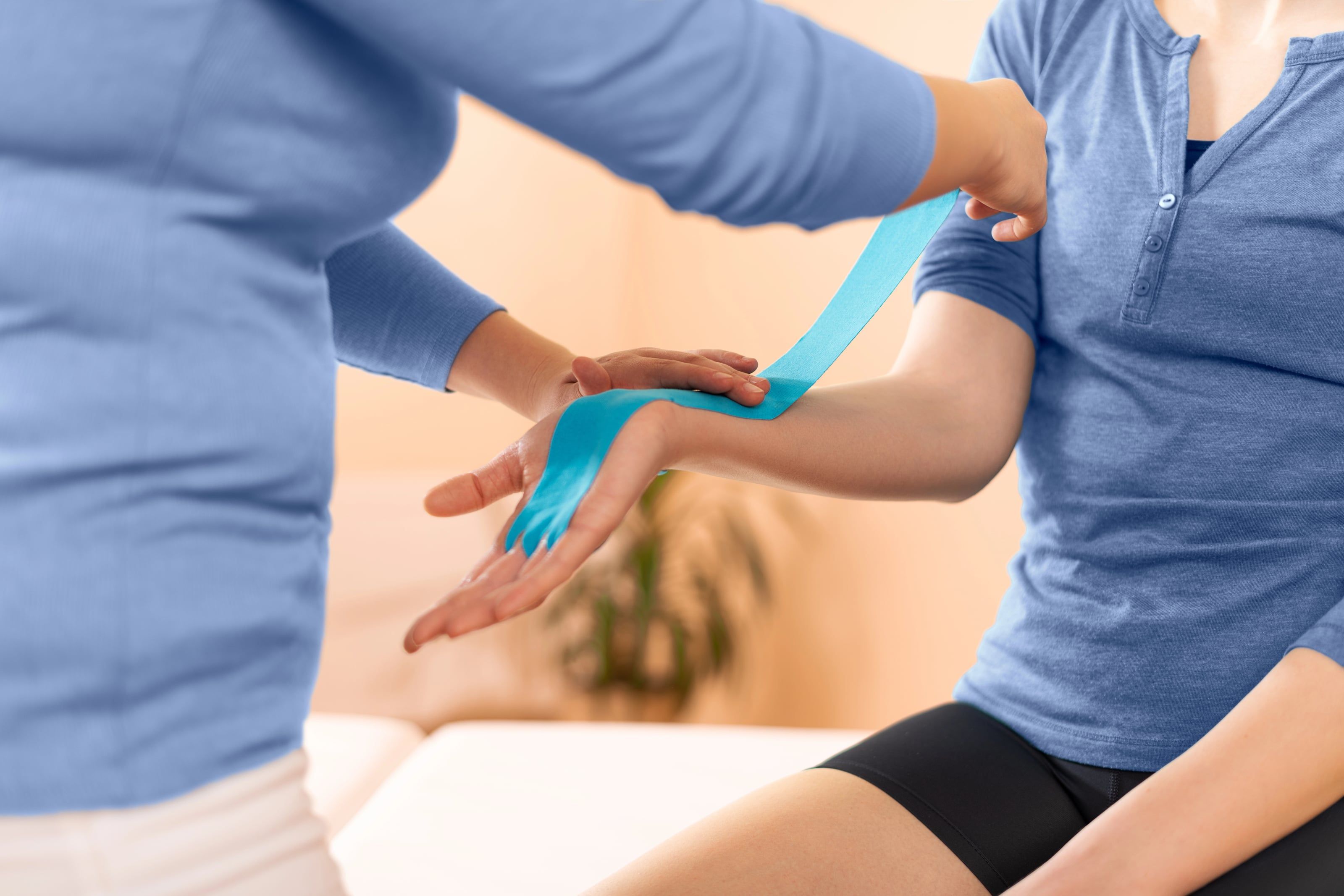
"Numbness and tingling in your thumb and fingers, often worse at night, is the classic sign of carpal tunnel syndrome. We check your wrist, arm and neck, and treat what we find."

"Neck pain and stiffness after a collision can take a day or two to show up. We check your neck carefully, then treat it with gentle hands-on care and movement."

Pain that arrives in minutes — especially after a fall, lift or twist — wants an early eye on it.
Pins-and-needles, dropped objects, or a foot that drags — nerve signals deserve a same-week look.
Pain that arrives alongside chills, sweats, or unexplained fever is for your physician first, us second.
If it hasn't shifted in fourteen days of self-care, it is no longer an acute episode — it is a pattern.
Sixty minutes — most of it talking. When did it start, what makes it worse, what makes it ease, what have you tried, and what would a good week look like.
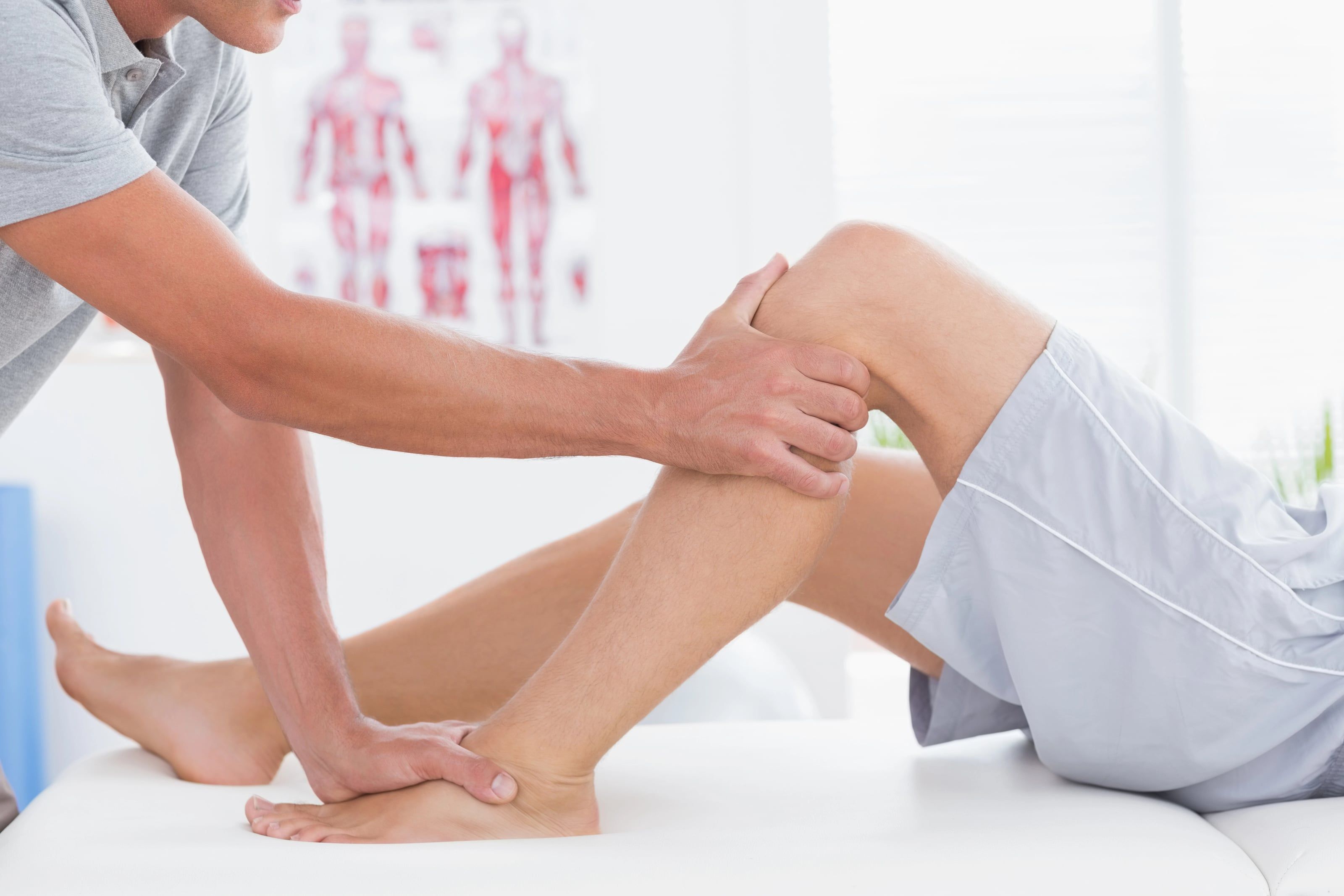
First visit · 60 minutesHands-on testing — range of motion, strength, joint feel and special tests. We map the chain, not just the spot, because pain rarely sits where it began.
Same visit · 15–20 minutesA written, timeline-honest plan — three to twelve sessions in most cases. Which modalities, which clinicians, what changes at home, when we re-assess.
Sent same-day · By emailHands-on therapy plus the small things you do between visits. Re-assessment every fourth or fifth session. Discharge when you are done — not when the package runs out.
Ongoing · 3–12 sessions