
EMPC
Book a visit
A clinician supporting a patient’s head and neck after a collision

Whiplash Treatment in Mississauga

A careful recovery after the collision.

Neck pain and stiffness after a collision can take a day or two to show up. We check your neck carefully, then treat it with gentle hands-on care and movement.

  • Same-week assessment
  • No referral required
  • Direct insurer billing

A clinical look at whiplash.

A man in a neck brace holding the side of his neck
Assessment and treatment for whiplash in Mississauga.

Whiplash is a neck injury caused by a sudden jolt that throws the head forward and back, most often in a rear-end car collision. At European Massage & Physiotherapy Center in Mississauga, we offer whiplash treatment with physiotherapy, chiropractic and massage therapy, for neck pain and stiffness, headaches and upper back pain after a car accident, a fall or a sports collision. You don't need a referral. Book online or call (905) 270-5553.

The jolt can strain the muscles, ligaments and joints of the neck, and sometimes irritate a nerve. Symptoms often don't appear straight away: many people feel fine at the scene and notice pain and stiffness hours or days later. It's worth being assessed after a collision even if you felt fine at first.

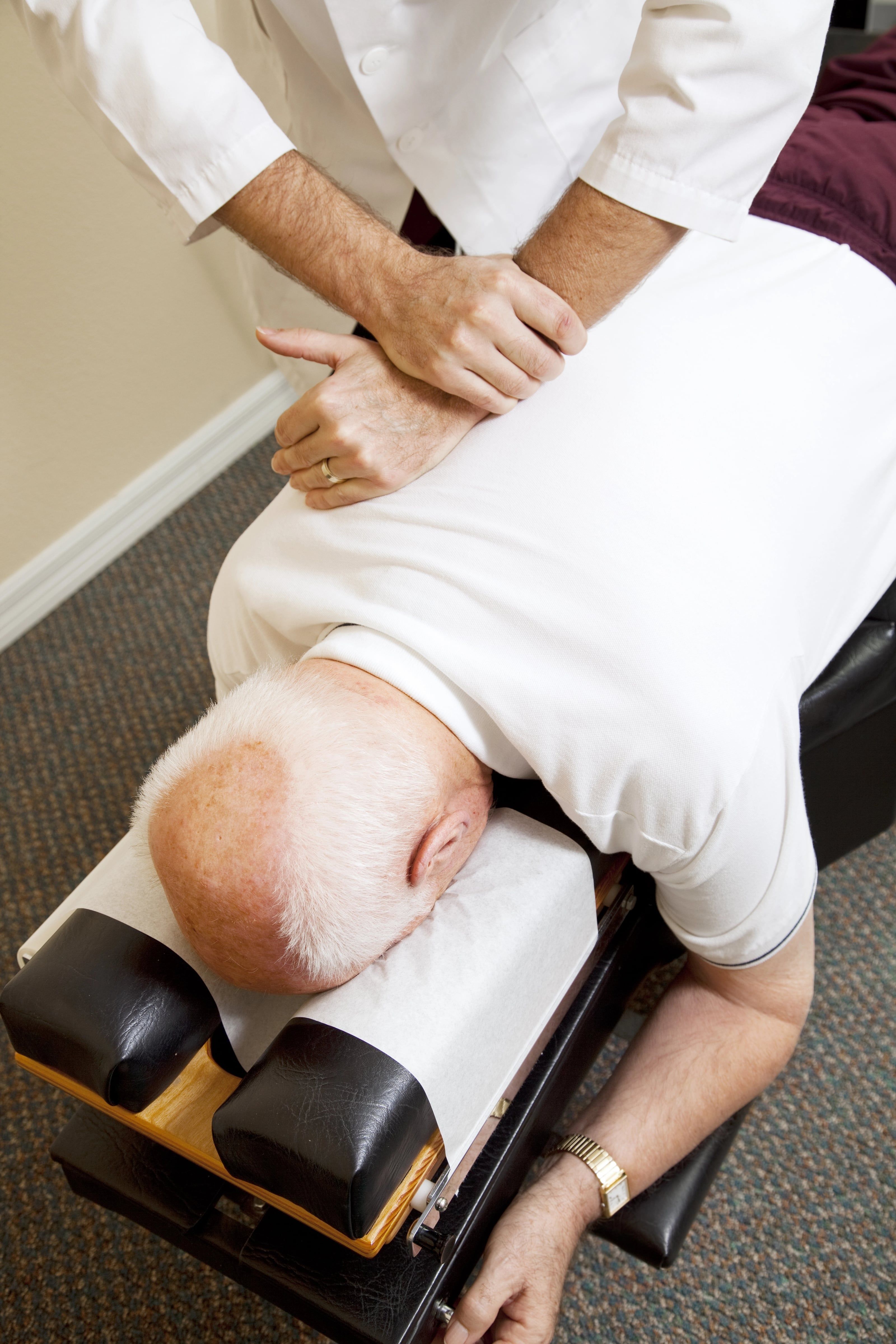
Treatment depends on what we find. It aims to ease the pain and get your neck moving again, and may include gentle joint mobilization or, when it suits, a chiropractic adjustment, soft-tissue work and massage, and exercises to restore movement and strength. For most whiplash injuries, gentle movement within what's comfortable is better than keeping the neck still.

After a car accident, your auto insurance may pay for treatment. Many extended health plans also cover physiotherapy, chiropractic and massage therapy, and we can bill many insurers directly.

How whiplash shows up.

A small constellation — pain, stiffness, and one or two other unwelcome guests that travel with it.

  • Neck pain and stiffness

    Pain and stiffness that make it hard to turn your head, often worse a day or two after the collision than at the scene.

  • Headaches

    A headache that starts at the base of the skull and can spread up towards the temples or forehead, often worse when you move your neck.

  • Shoulder and upper back pain

    Aching and tightness across the tops of the shoulders and between the shoulder blades.

  • Dizziness or trouble concentrating

    Dizziness, tiredness or a foggy head can come with whiplash, and can also be signs of a concussion. Tell your practitioner, and see a doctor if they're new or getting worse.

Where whiplash actually comes from.

The usual causes, from everyday strains to conditions that build up over years.

i.

Rear-end car collisions

the most common cause, even at fairly low speeds.

ii.

Other car accidents

side and front impacts, or a hard, sudden stop.

iii.

Sports collisions

a hit or tackle in contact sports, or a fall from a bike or skis.

iv.

Falls

a slip on ice or stairs where the head snaps forward or back.

Signs the body needs a clinician.

Most pain can wait for an appointment. A few signs need care straight away.

Severe headache or neck pain

A severe or worsening headache, or severe neck pain, after a collision or fall needs emergency care. Call 911 or go to the emergency department.

Numbness or weakness in the arms

New numbness, tingling or weakness in your arms or hands after a collision can mean a nerve or the spinal cord is involved. Get emergency care.

Trouble with vision, speech or swallowing

Double vision, slurred speech, trouble swallowing, confusion, fainting or repeated vomiting after a collision need emergency care straight away.

Pain or stiffness that hasn't eased

If your neck is still sore or stiff after a few days, or the pain only shows up later, book an assessment.

Red flags — don't wait. Sudden severe weakness or numbness, loss of bladder or bowel control, chest pain, or a fever with this pain: go to the nearest emergency department or call 911.
Call (905) 270-5553

A four-step plan.

Every plan is built around what we find at your assessment, and we review it at each visit.

i.

Check carefully first.

We ask about the collision and your symptoms, and check your neck's movement, strength, sensation and reflexes. If anything needs a doctor's review first, we'll tell you.

ii.

Ease the pain.

Gentle hands-on treatment such as joint mobilization, soft-tissue work or massage, with a chiropractic adjustment when it suits the problem.

iii.

Keep the neck moving.

Gentle exercises to restore movement, including a few to do at home, increased as your neck allows.

iv.

Build strength back.

Strength and posture work for the neck and upper back, and advice on driving, work and screen time as you return to them.

The hands and tools most often used.

The treatments we use most often for whiplash, chosen to suit what we find.

Who treats it.

Practitioners at EMPC who offer one of these modalities. Each one links to their profile, where you can book with them.

What to expect on the day.

Your first visit is an assessment of about an hour, ending with a plan.

A clinician guiding gentle cervical mobility after a whiplash event

Your history.

What happened in the collision, when the symptoms started, what makes them better or worse, and how they affect work, driving and sleep.

A man in a neck brace holding the side of his neck

The assessment.

We check how your neck and upper back move, test strength, sensation and reflexes in your arms, and ask about headaches and dizziness.

A clinician supporting a patient’s head and neck after a collision

Your plan.

What we think is going on, what we'll do, what to do at home, and how often to come back.

What recovery actually looks like.

A typical course of care. Everyone's recovery is different, and your practitioner will tell you what to expect for yours.

First visits

Calm the pain.

Gentle hands-on treatment and easy movement to make turning your head and everyday tasks more comfortable.

Following weeks

Restore movement and strength.

Exercises progress as your neck allows, and visits usually become less frequent.

After that

Back to your routine.

A short routine of your own, a return to driving, work and sport at a pace that suits you, and a check-in if symptoms come back.

Common questions

What patients most often ask.

Strained muscles and joints often stiffen and get sorer over the first day or two after the injury, so many people feel fine at the scene. If pain, stiffness or headaches show up later, it's still worth getting assessed.

Usually not. For most whiplash injuries, gentle movement within what's comfortable is better than keeping the neck still. If a doctor has given you a collar, follow their advice until they say otherwise.

Most whiplash injuries don't need imaging, and a doctor decides that, often at the hospital after a collision. If your assessment suggests you need imaging or a doctor's review, your practitioner will tell you.

After a car accident, your auto insurance may pay for treatment. Many extended health plans also cover physiotherapy, chiropractic and massage therapy, and we can bill many insurers directly. Ask us when you book.

It varies with the injury and how your neck responds. Your practitioner will give you an estimate after the first assessment and review it at later visits.

A person turning the head carefully after a low-impact incident
Same-week assessments available

Begin your recovery.

  • Phone (905) 270-5553
  • Address 1140 Burnhamthorpe Rd W, Unit 123