EMPC
Book a visit
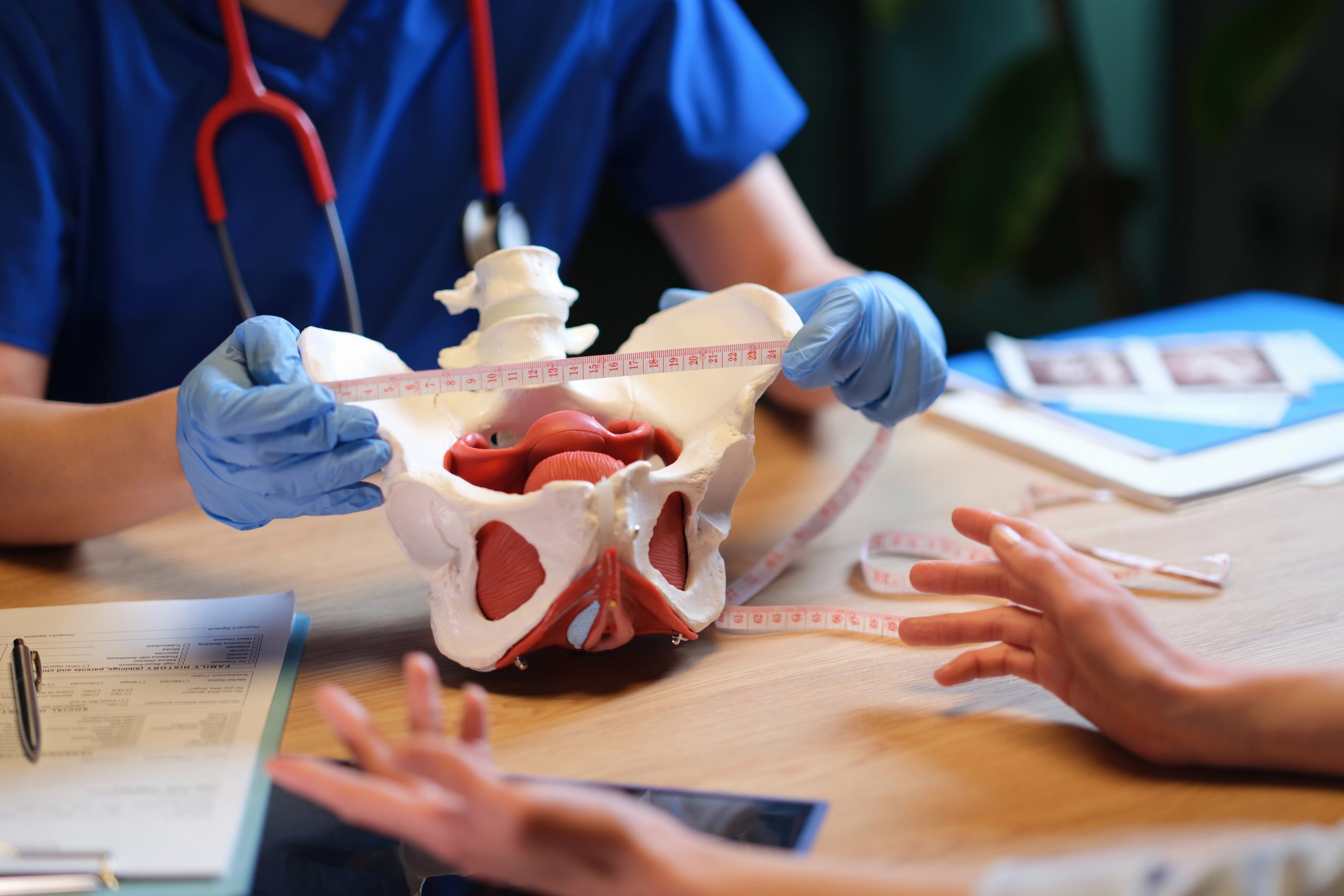
Gloved hands measuring an anatomical model of the pelvis on a clinic desk

Pelvic Floor Dysfunction Treatment in Mississauga

Strength and control, step by step.

Leaking, a sudden need to go, or pelvic pain can often be helped with physiotherapy. We assess what's behind yours and treat it, and there's no internal exam.

  • Same-week assessment
  • No referral required
  • Direct insurer billing

A clinical look at pelvic floor dysfunction.
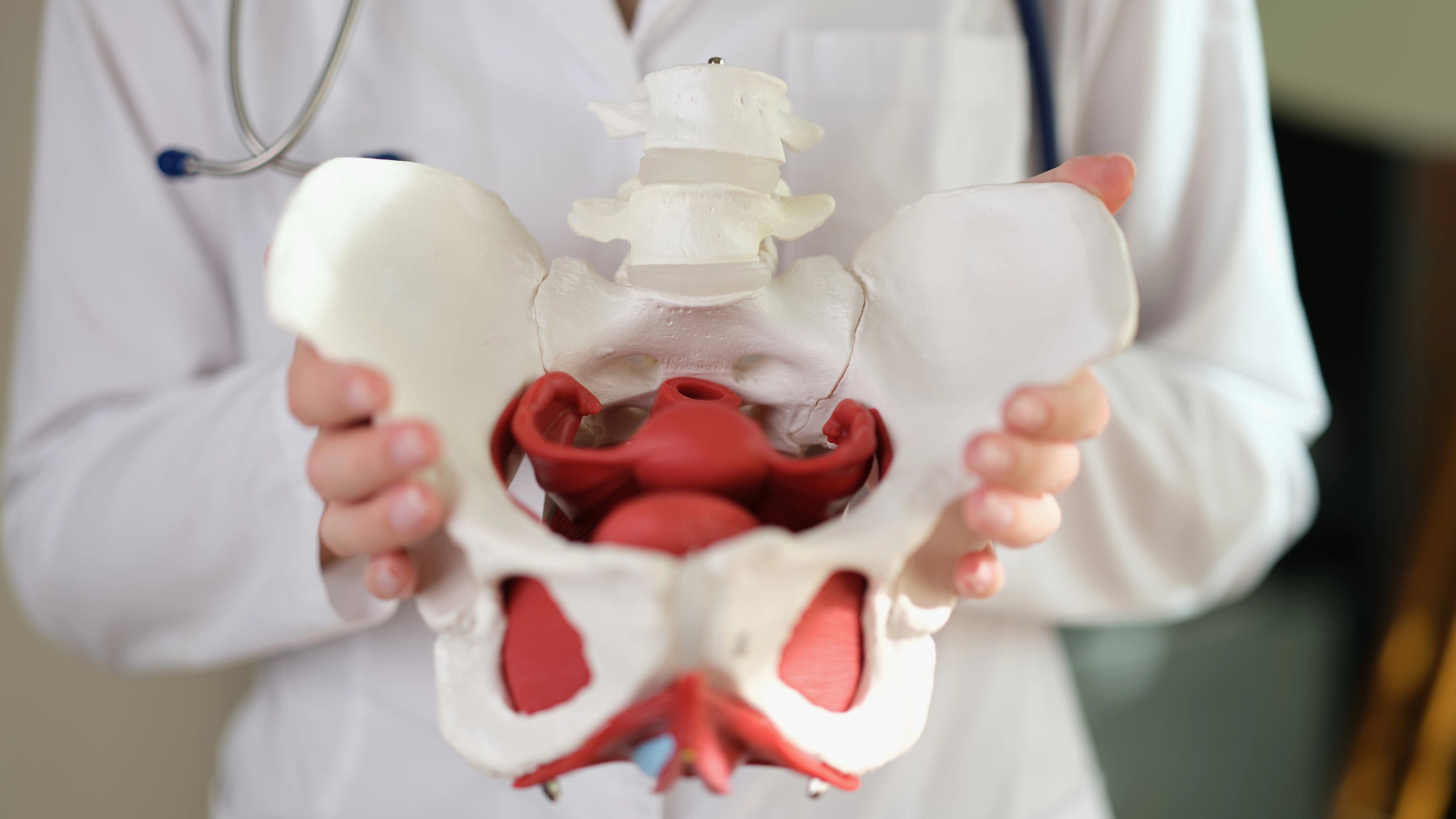
Hands holding an anatomical model of the pelvis, the pelvic floor muscles shown in red
Assessment and treatment for pelvic floor dysfunction in Mississauga.

Pelvic floor dysfunction means the muscles that support the bladder, bowel and pelvic organs are too weak, too tight or not working well together. At European Massage & Physiotherapy Center in Mississauga, our physiotherapists assess and treat it in men and women, including leaking, urgency and pelvic pain. You don't need a referral. Book online or call (905) 270-5553.

It's common, and it has several possible causes: prostate or pelvic surgery, pregnancy and childbirth, years of straining or heavy lifting, a long-lasting cough, and age. Sometimes the muscles are too tense rather than too weak, and that can cause pain.

Treatment is pelvic floor physiotherapy: exercises to strengthen the muscles or help them relax, done with your breathing, and advice on bladder and bowel habits and everyday activity. There's no internal exam. Your physiotherapist explains each step and asks for your consent first.

Many extended health plans cover physiotherapy, including pelvic floor physiotherapy, and we can bill many insurers directly. Some plans ask for a doctor's note before they pay.

How pelvic floor dysfunction shows up.

Leaking, urgency, heaviness or pelvic pain, often more than one at a time.

  • Leaking with effort

    Leaking urine when you cough, sneeze, laugh, lift or exercise.

  • A sudden, strong need to go

    Rushing to the toilet, not always making it in time, or going much more often than you used to.

  • Pelvic pain

    Pain or aching in the pelvis, lower abdomen, tailbone or groin, sometimes when sitting or during sex.

  • Heaviness or trouble emptying

    A feeling of heaviness or dragging in the pelvis, trouble emptying the bladder or bowel, or leaking wind or stool.

Where pelvic floor dysfunction actually comes from.

The usual causes, from everyday strains to conditions that build up over years.

i.

Prostate or pelvic surgery

prostate surgery, and gynaecological or other pelvic surgery, can affect the muscles and nerves of the pelvic floor.

ii.

Pregnancy and childbirth

carrying and delivering a baby stretch the pelvic floor, and some problems show up years later.

iii.

Straining and heavy lifting

long-term constipation, a chronic cough or lifting heavy loads put repeated pressure on the pelvic floor.

iv.

Muscles that are too tight

holding tension in the pelvic floor, often with stress or pain, can cause pain and trouble emptying.

v.

Age and hormones

muscles weaken with age, and hormone changes around menopause can play a part.

Signs the body needs a clinician.

Most pelvic floor problems can wait for an appointment. A few signs need care straight away.

Leaking that gets in the way

If leaking or urgency changes what you do, an assessment can show what's behind it.

Pelvic pain that doesn't settle

Pain lasting more than a few weeks is worth having assessed.

Blood in your urine or stool

See your doctor promptly, before starting physiotherapy.

A bulge or heaviness that's getting worse

A feeling of something coming down should be checked by your doctor.

Red flags — don't wait. Sudden loss of bladder or bowel control, or suddenly being unable to pass urine, especially with back pain, numbness around the groin or new leg weakness: go to the nearest emergency department or call 911. Leaking that came on gradually can wait for an appointment.
Call (905) 270-5553

A four-step plan.

Every plan is built around what we find at your assessment, and we review it at each visit.

i.

Listen and explain.

We ask about your symptoms, habits and health, and explain in plain words what we think is going on.

ii.

Assess, with no internal exam.

We look at your posture, breathing, hips and lower back, explaining each step and going ahead only with your consent.

iii.

Train the muscles.

Exercises to strengthen the pelvic floor or help it relax, in time with your breathing, practised in the session.

iv.

Build habits that help.

Advice on bladder and bowel habits, lifting and staying active, to help keep symptoms from coming back.

What to expect on the day.

Your first visit is an assessment of about an hour, ending with a plan.

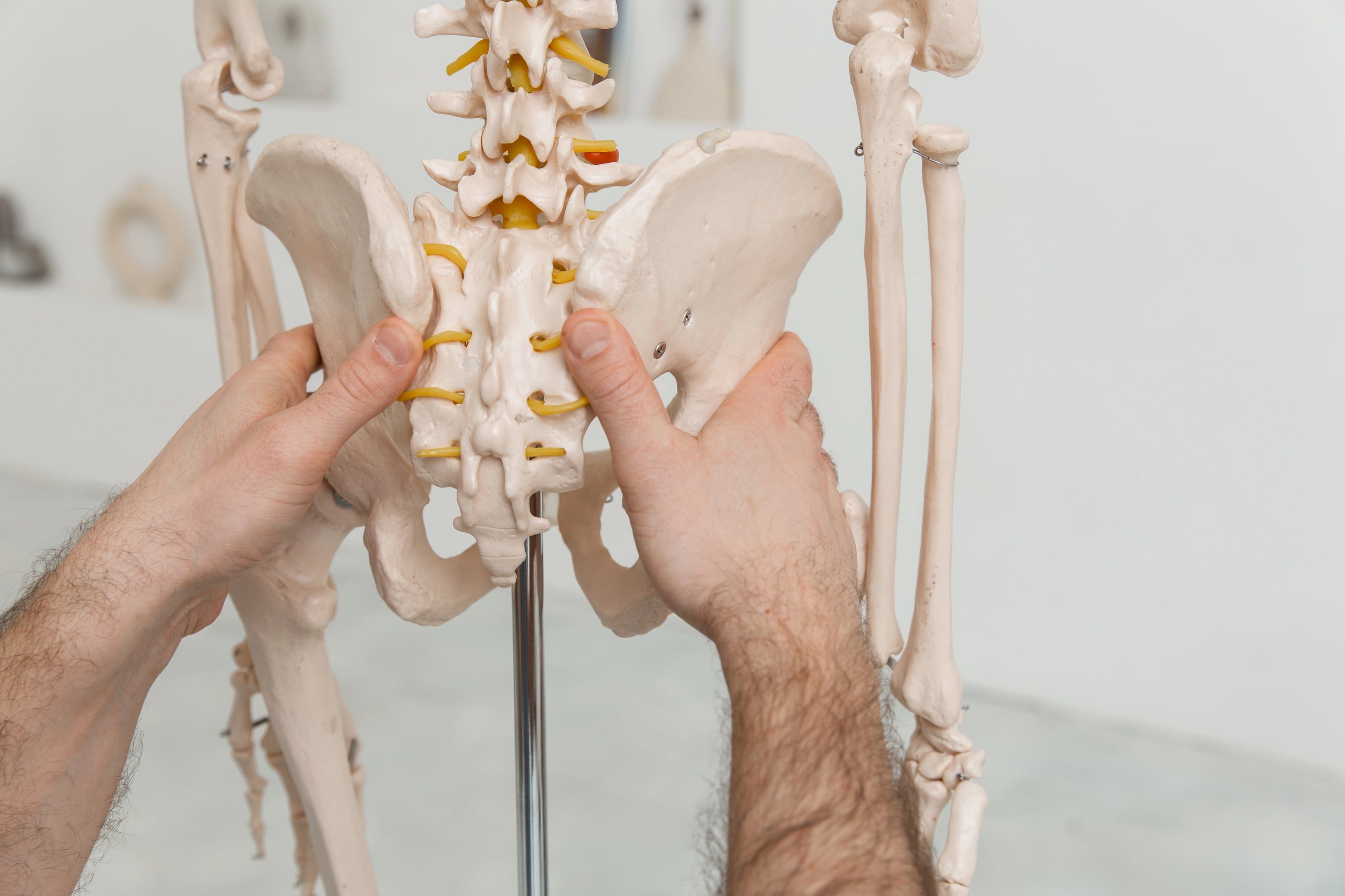
Hands pointing to the pelvis of an anatomical skeleton

Your history.

Your symptoms, bladder and bowel habits, any pregnancies or surgery, your health and your activity.

Hands holding an anatomical model of the pelvis, the pelvic floor muscles shown in red

The assessment.

Your posture, breathing, hips and lower back, with each step explained first. There's no internal exam.

Gloved hands measuring an anatomical model of the pelvis on a clinic desk

Your plan.

What we think is going on, the exercises to start with, and how often to come back.

What recovery actually looks like.

A typical course of care. Everyone's recovery is different, and your practitioner will tell you what to expect for yours.

First visits

Find the muscles.

Learning to feel and use the pelvic floor, in time with your breathing.

Following weeks

Build strength and control.

Exercises progress and move into everyday actions such as lifting, coughing and standing up.

After that

Keep it going.

A short routine of your own, and a check-in if symptoms come back.

Common questions

What patients most often ask.

No. Men get it too, for example after prostate surgery. We see men and women for leaking, urgency and pelvic pain.

No. There's no internal exam. Your physiotherapist assesses you through questions, observation and movement, explains each step first, and asks for your consent.

They can, when they're done correctly and the muscles are weak. If the muscles are too tight, strengthening alone may not help, which is why an assessment comes first.

No. Physiotherapists in Ontario can see you without a referral. Some insurance plans ask for a doctor's note before they pay, so check your plan if you'll be claiming.

Many extended health plans cover physiotherapy, including pelvic floor physiotherapy, and we can bill many insurers directly.

Hands pointing to the pelvis of an anatomical skeleton
Same-week assessments available

Start with an assessment.

  • Phone (905) 270-5553
  • Address 1140 Burnhamthorpe Rd W, Unit 123