EMPC
Book a visit
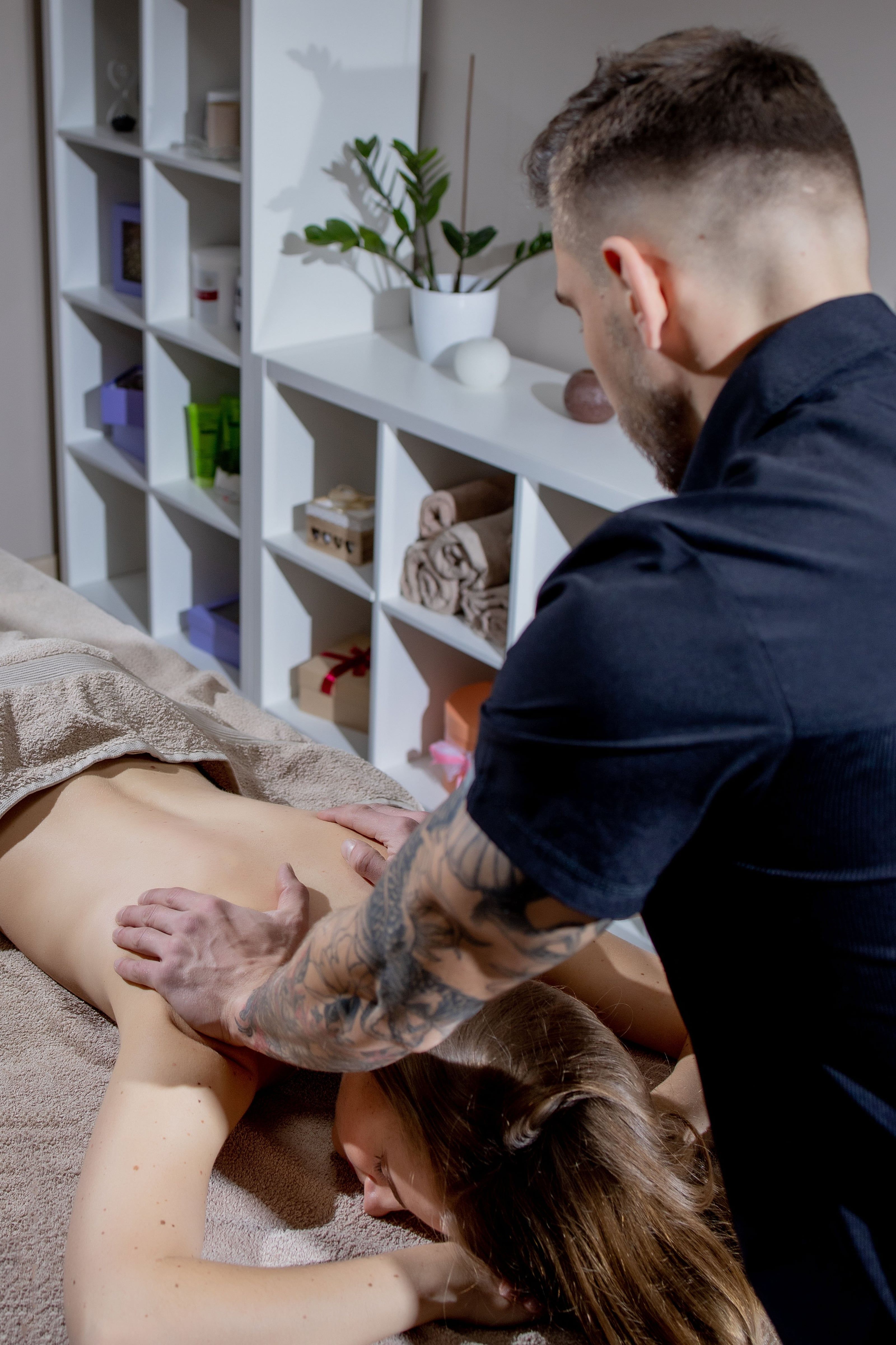
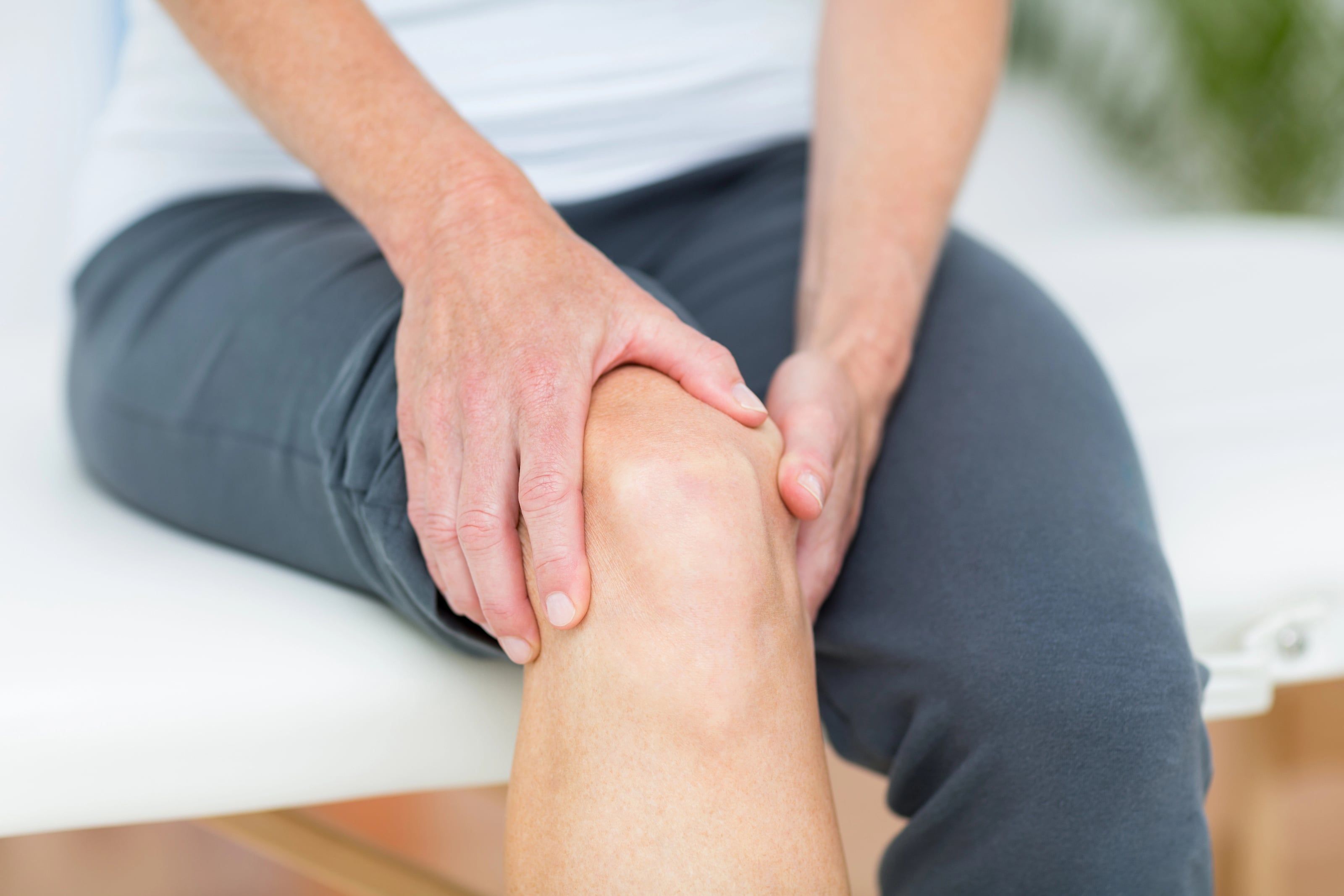
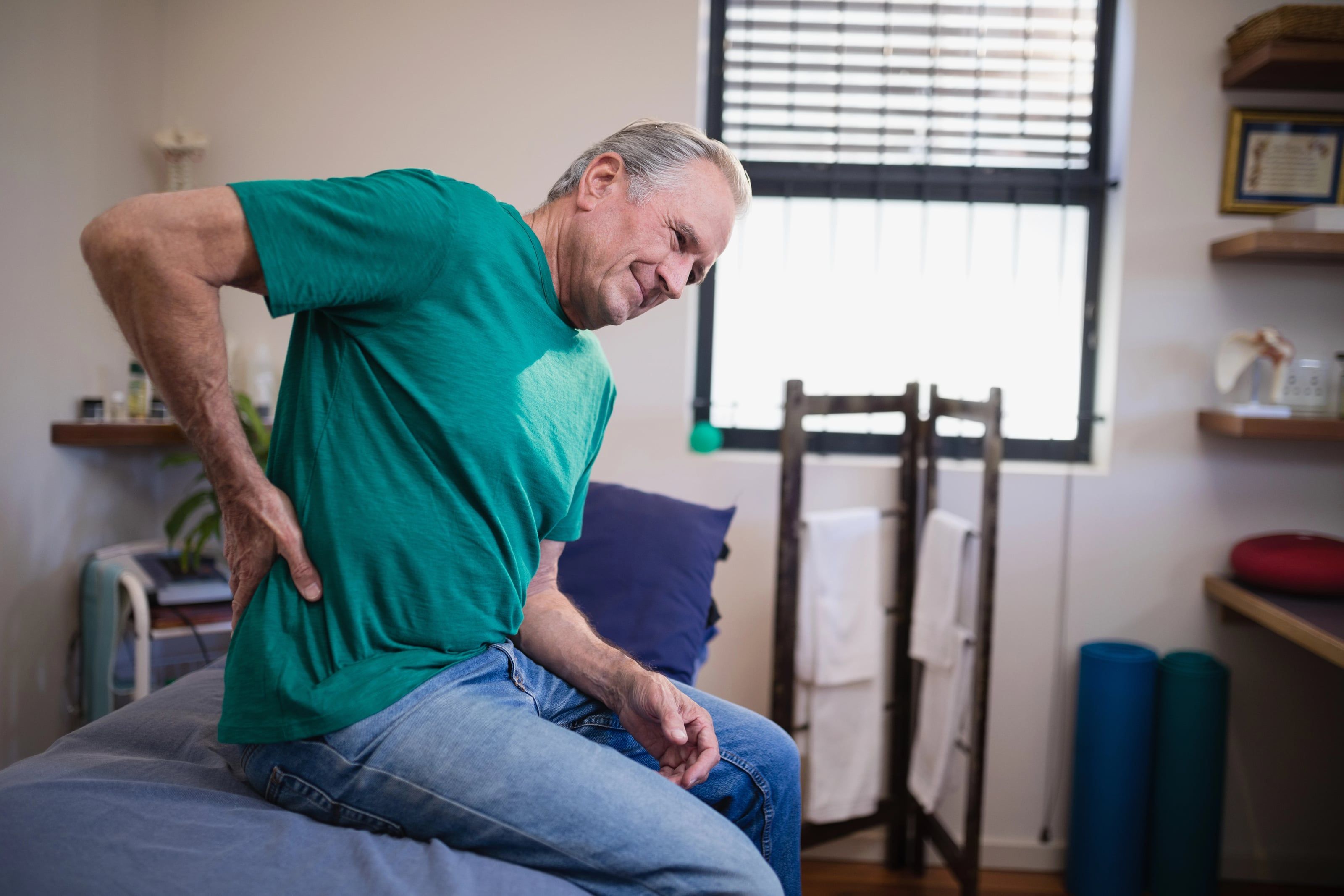
A patient with a hand resting on the hip in soft daylight

Hip Pain Treatment in Mississauga

Hips that hold you all day long.

Hip pain can turn a walk, a flight of stairs or a night's sleep into hard work. We assess what's behind yours, from arthritis to a sore tendon, and treat it with hands-on care and exercise.

  • Same-week assessment
  • No referral required
  • Direct insurer billing

A clinical look at hip pain.
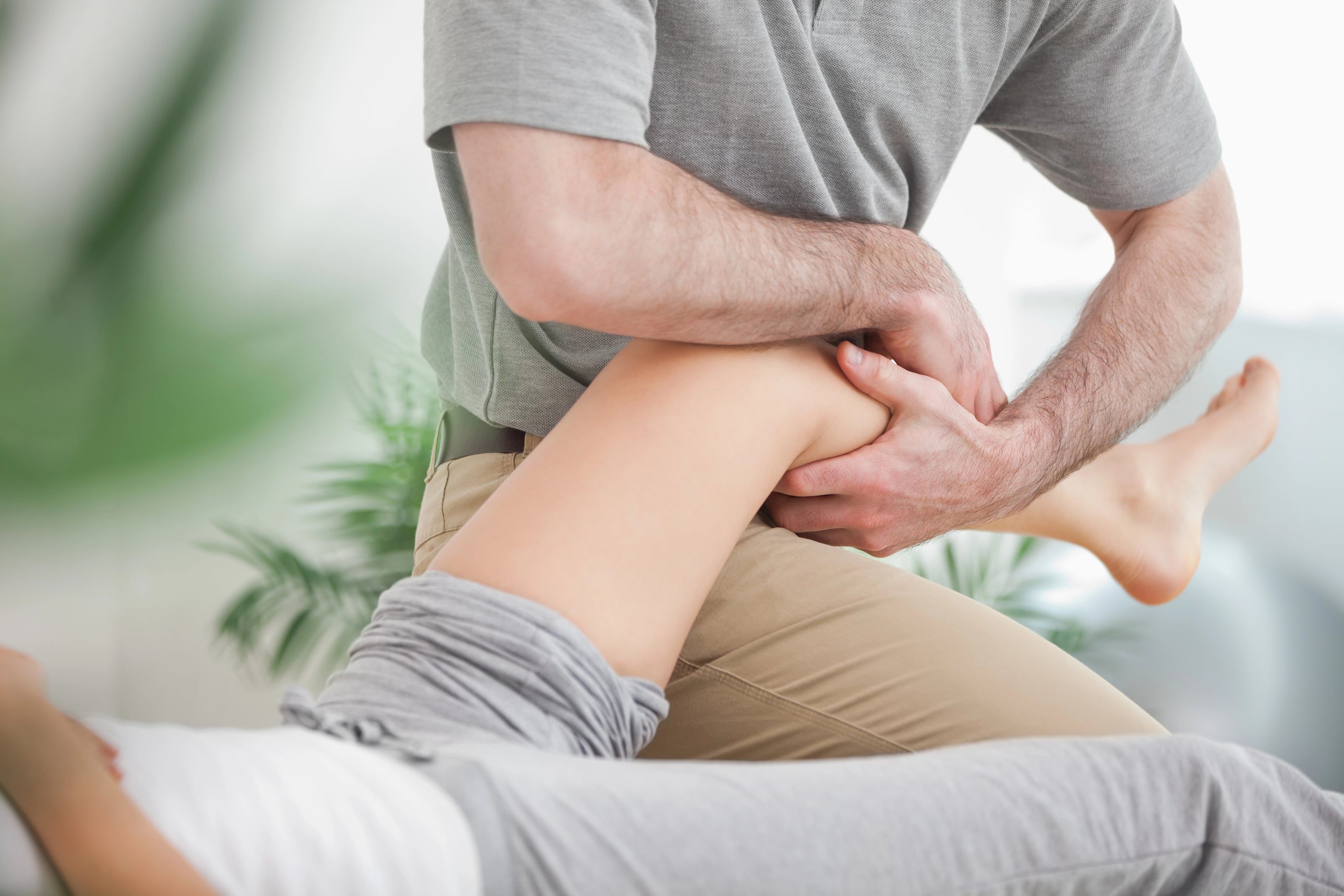
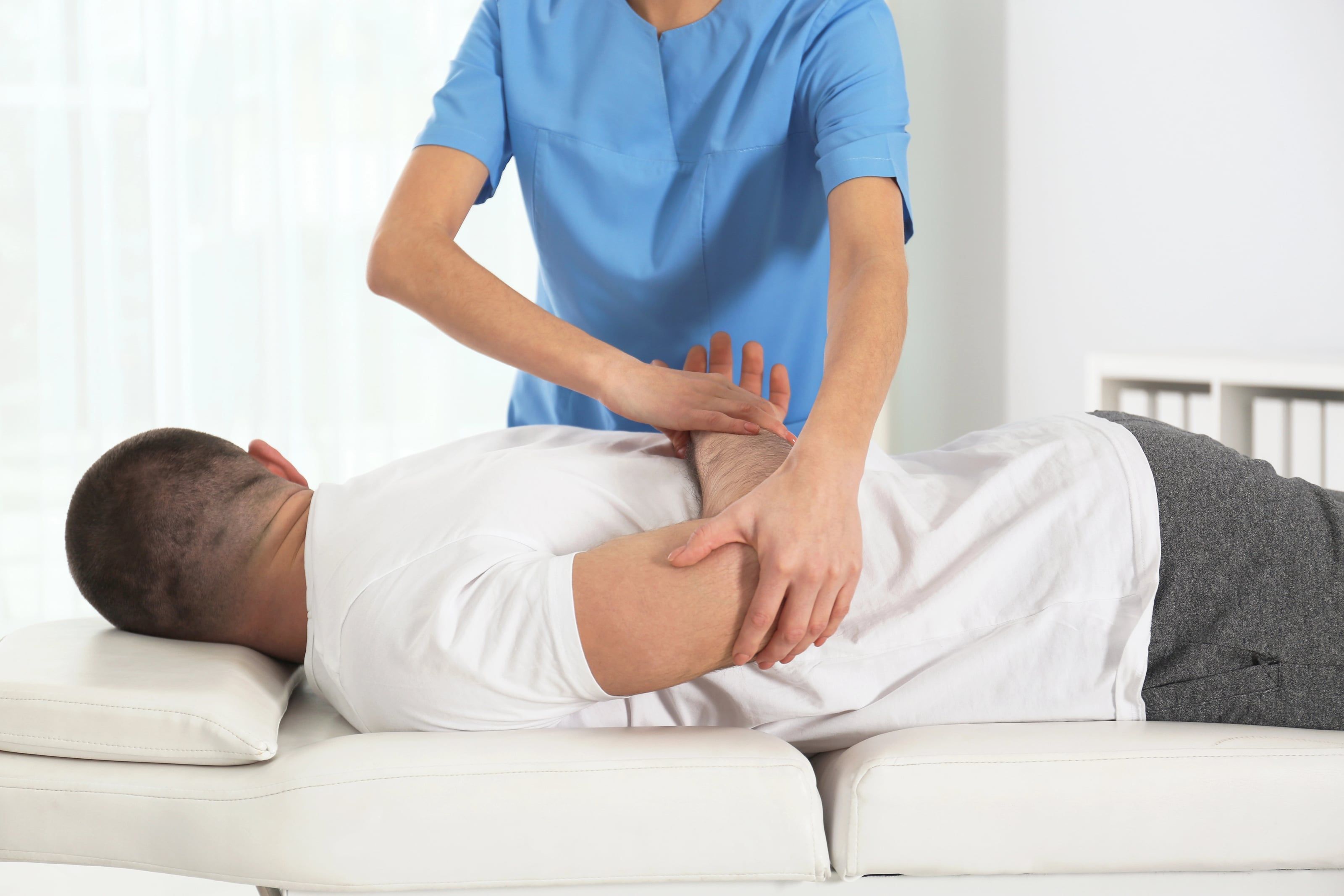
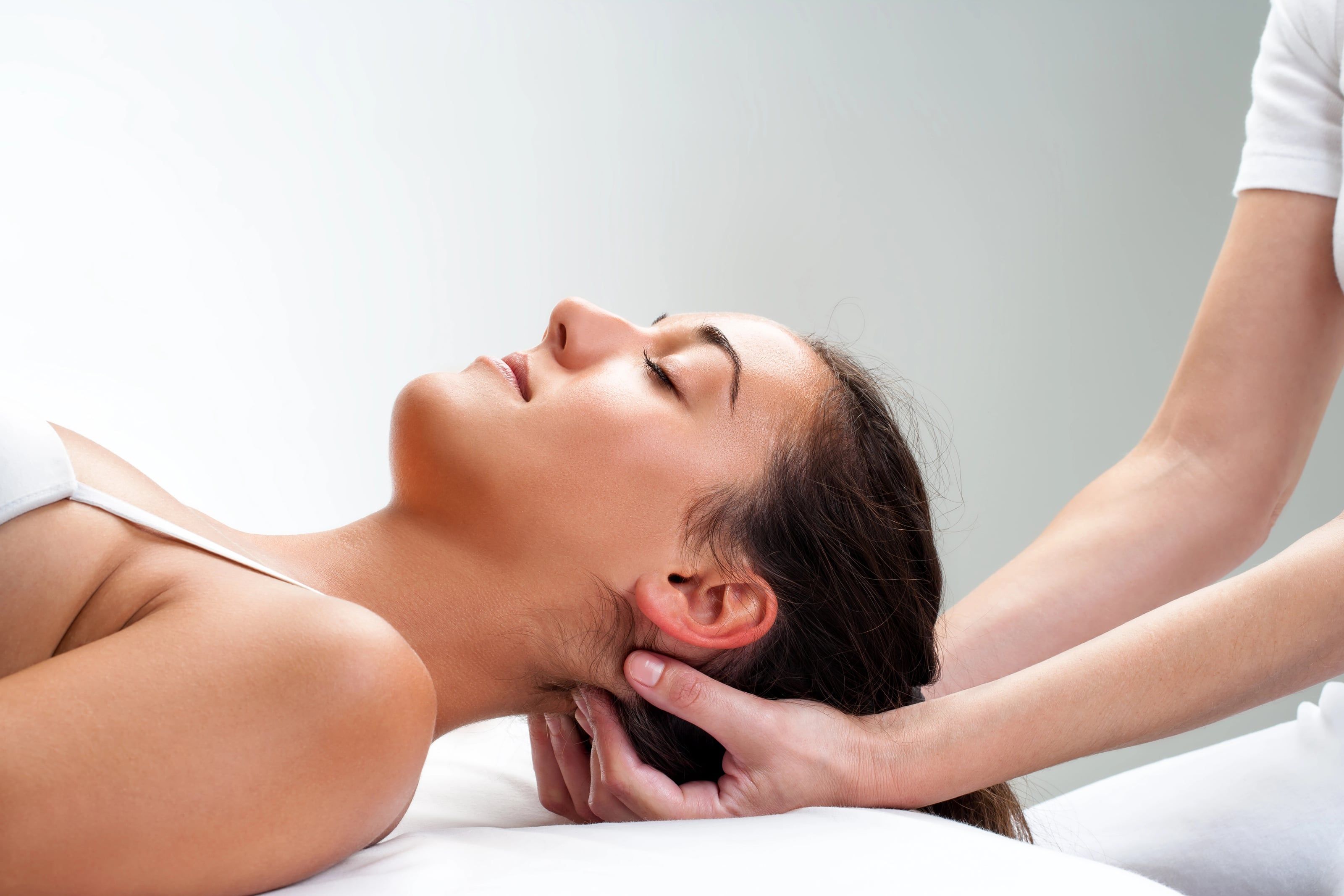
A clinician examining hip mobility on a treatment table
Assessment and treatment for hip pain in Mississauga.

Your hips carry you every time you walk, climb stairs or get up from a chair, so hip pain is hard to ignore. At European Massage & Physiotherapy Center in Mississauga, we offer hip pain treatment for osteoarthritis, bursitis and tendon pain on the outer hip, muscle strains, and rehabilitation after a hip replacement. You don't need a referral. Book online or call (905) 270-5553.

Where you feel the pain is a useful clue. Pain in the groin often comes from the hip joint itself, as with osteoarthritis. Pain on the outside of the hip more often comes from the tendons and bursa there. Pain in the buttock can start in the lower back. An assessment shows which it is, and what's keeping it going.

Treatment depends on what we find. It may include joint mobilization and soft-tissue release, massage therapy, osteopathy, and exercises to restore movement and strengthen the muscles around the hip. When the way your foot moves adds to the problem, custom orthotics may help. After a hip replacement, our physiotherapists guide your rehabilitation step by step, within the precautions your surgeon gives you.

Many extended health plans cover physiotherapy and massage therapy, and we can bill many insurers directly. Some plans cover osteopathy, and some cover custom orthotics, often with a doctor's prescription; check yours. To book osteopathy, call (905) 270-5553.

How hip pain shows up.

A small constellation — pain, stiffness, and one or two other unwelcome guests that travel with it.

  • Pain in the groin

    A deep ache in the groin or the front of the hip, often worse on stairs, getting in and out of a car, or after a long walk.

  • Pain on the outer hip

    Soreness on the outside of the hip, worse lying on that side, climbing stairs or standing on one leg.

  • Stiffness after rest

    Putting on socks and shoes, getting up from a low chair, and the first steps after sitting all take effort.

  • Pain in the buttock, thigh or knee

    Hip problems can be felt in the buttock, down the thigh or even in the knee, sometimes more than in the hip itself.

Where hip pain actually comes from.

The usual causes, from everyday strains to conditions that build up over years.

i.

Osteoarthritis

gradual wear of the cartilage in the hip joint, most often later in life, which brings stiffness and an ache in the groin.

ii.

Bursitis and tendon problems

the tendons and the bursa on the outer hip become irritated, and lying on that side gets sore.

iii.

Impingement and labral tears

the ball and socket pinch at the end of a movement, which can damage the labrum, the rim of cartilage around the socket.

iv.

Muscle strain

a groin or hip flexor strain from running, kicking, a slip, or doing more than you're used to.

v.

Long hours sitting

a desk job or long drives can stiffen the hip and weaken the muscles around it.

vi.

Pain from the lower back

an irritated nerve or joint in the low back can be felt in the buttock and hip.

Signs the body needs a clinician.

Most pain can wait for an appointment. A few signs need care straight away.

Pain after a fall

If you can't put weight on the leg after a fall, or it looks shorter or turned outward, get medical care right away. A broken hip is more likely in older adults and people with osteoporosis.

Warning signs after hip surgery

New pain, redness, swelling or a warm wound after a hip replacement, or a painful, swollen calf, should be seen by your surgeon or doctor the same day.

Pain that limits your walking

If hip pain has cut how far you can walk, or made stairs and getting out of a car hard for more than a few weeks, an assessment can show why.

Pain at night or at rest

Pain that regularly wakes you, or aches even while you're resting, is worth a careful look.

Red flags — don't wait. Sudden severe weakness or numbness, loss of bladder or bowel control, chest pain, or a fever with this pain: go to the nearest emergency department or call 911.
Call (905) 270-5553

A four-step plan.

Every plan is built around what we find at your assessment, and we review it at each visit.

i.

Assess and explain.

We ask how the pain started and what makes it worse, watch how you walk, and check your hip, lower back and knee. You'll hear what we think is going on, in plain language.

ii.

Ease the pain.

Hands-on treatment such as joint mobilization, soft-tissue release or massage, and advice on sitting, sleeping and walking while the hip settles.

iii.

Restore movement.

Exercises to bring back the hip's range, so bending, turning and getting up from a chair take less effort, including a few to do at home.

iv.

Build strength.

Strengthening for the buttock and thigh muscles that support the hip, to help with walking, stairs and the activities you want to get back to.

The hands and tools most often used.

The treatments we use most often for hip pain, chosen to suit what we find.

Who treats it.

Practitioners at EMPC who offer one of these modalities. Each one links to their profile, where you can book with them.

What to expect on the day.

Your first visit is an assessment of about an hour, ending with a plan.

A patient performing a hip-mobility movement during assessment

Your history.

When the pain started, where you feel it, what makes it worse, any surgery you've had, and how much you walk, sit and exercise.

A clinician examining hip mobility on a treatment table

The assessment.

We watch how you walk, stand and bend, test the hip's movement and strength, and check your lower back and knee where needed.

A patient with a hand resting on the hip in soft daylight

Your plan.

What we think is going on, what we'll do, what to do at home, and how often to come back.

What recovery actually looks like.

A typical course of care. Everyone's recovery is different, and your practitioner will tell you what to expect for yours.

First visits

Ease the pain.

Hands-on treatment, gentle movement, and changes to how you sit, sleep and walk while the hip settles.

Following weeks

Build strength and range.

Exercises progress as your hip allows, from range of movement to strength and balance, and visits usually become less frequent.

After that

Keep it going.

A short strengthening routine of your own, and a check-in if the pain comes back.

Common questions

What patients most often ask.

No. Osteoarthritis is common, especially later in life, but tendons, the bursa, muscles and the lower back cause a lot of hip pain too. Even with arthritis, exercise and hands-on treatment can help you stay active.

Usually, yes, within what's comfortable. Walking keeps the joint moving and the muscles working. If it flares your pain, your practitioner can help you find a distance and pace that suit you, and other ways to stay active.

Yes. Rehabilitation after surgery is part of our physiotherapy. Exercises for movement, strength and walking progress step by step, within the precautions your surgeon gives you.

No. In Ontario you can book physiotherapy, massage therapy or osteopathy yourself. Some insurance plans want a doctor's note before they pay, so check yours if you'll be claiming.

Many extended health plans cover physiotherapy and massage therapy, and we can bill many insurers directly. Some plans cover osteopathy, and some cover custom orthotics, often with a doctor's prescription; check yours.

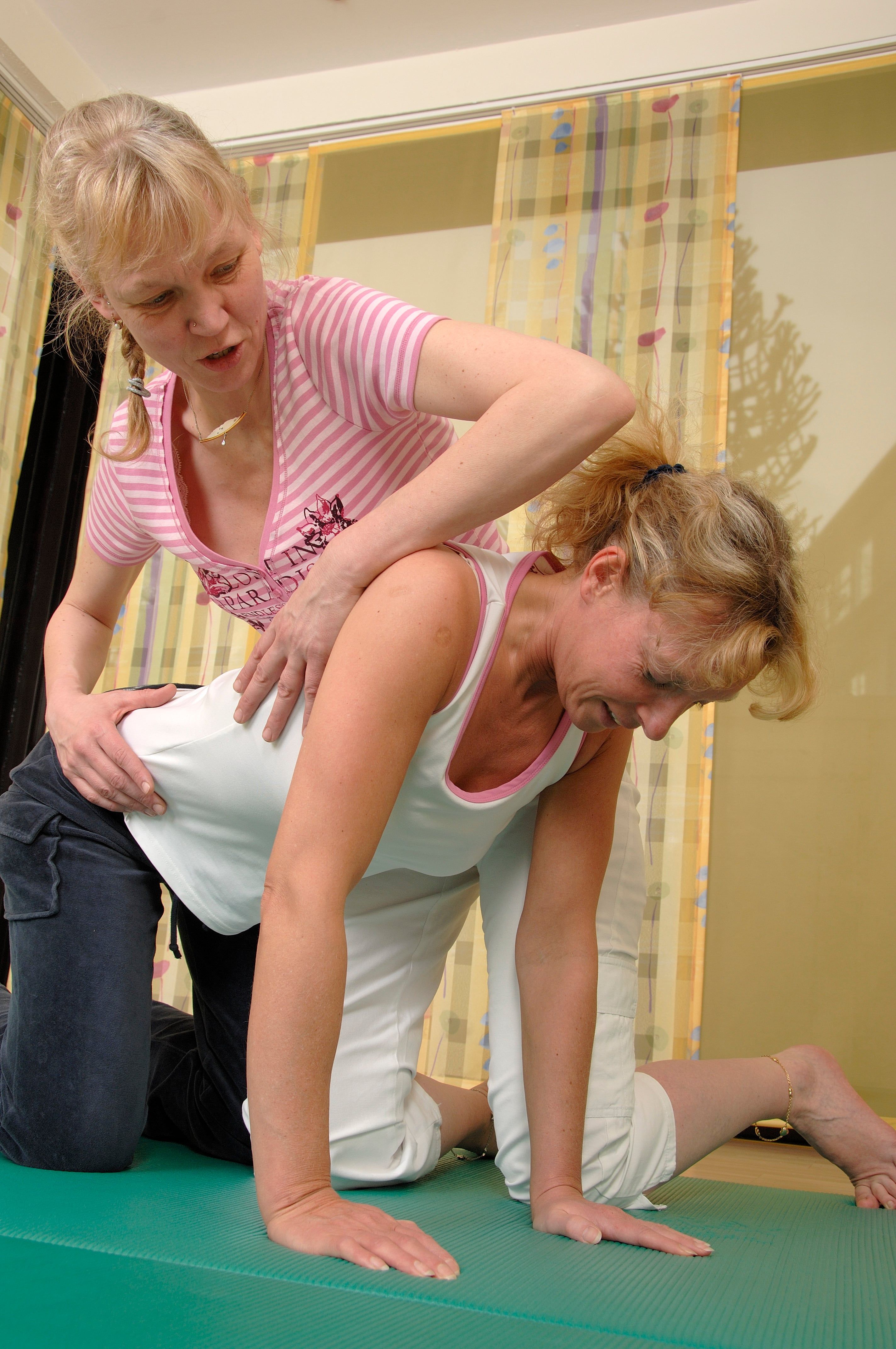
A person stretching the hip on a quiet floor
Same-week assessments available

Begin your recovery.

  • Phone (905) 270-5553
  • Address 1140 Burnhamthorpe Rd W, Unit 123