- By European Physio Team
- 3 min read
TMJ Relief
TMJ, or temporomandibular joint disorder, is a common condition that can cause pain and discomfort in the jaw and face. Fortunately, physiotherapy can be an effective treatment for TMJ, and the process of getting help can be fun and upbeat. In this blog, we’ll explore how physiotherapy benefits those with TMJ and how it can be a positive experience.
First, let’s talk about what TMJ is. The temporomandibular joint connects the jawbone to the skull and allows you to open and close your mouth. When this joint isn’t functioning properly, it can cause pain, stiffness, and difficulty chewing. TMJ can be caused by a variety of factors, including injury, stress, teeth grinding, or arthritis.
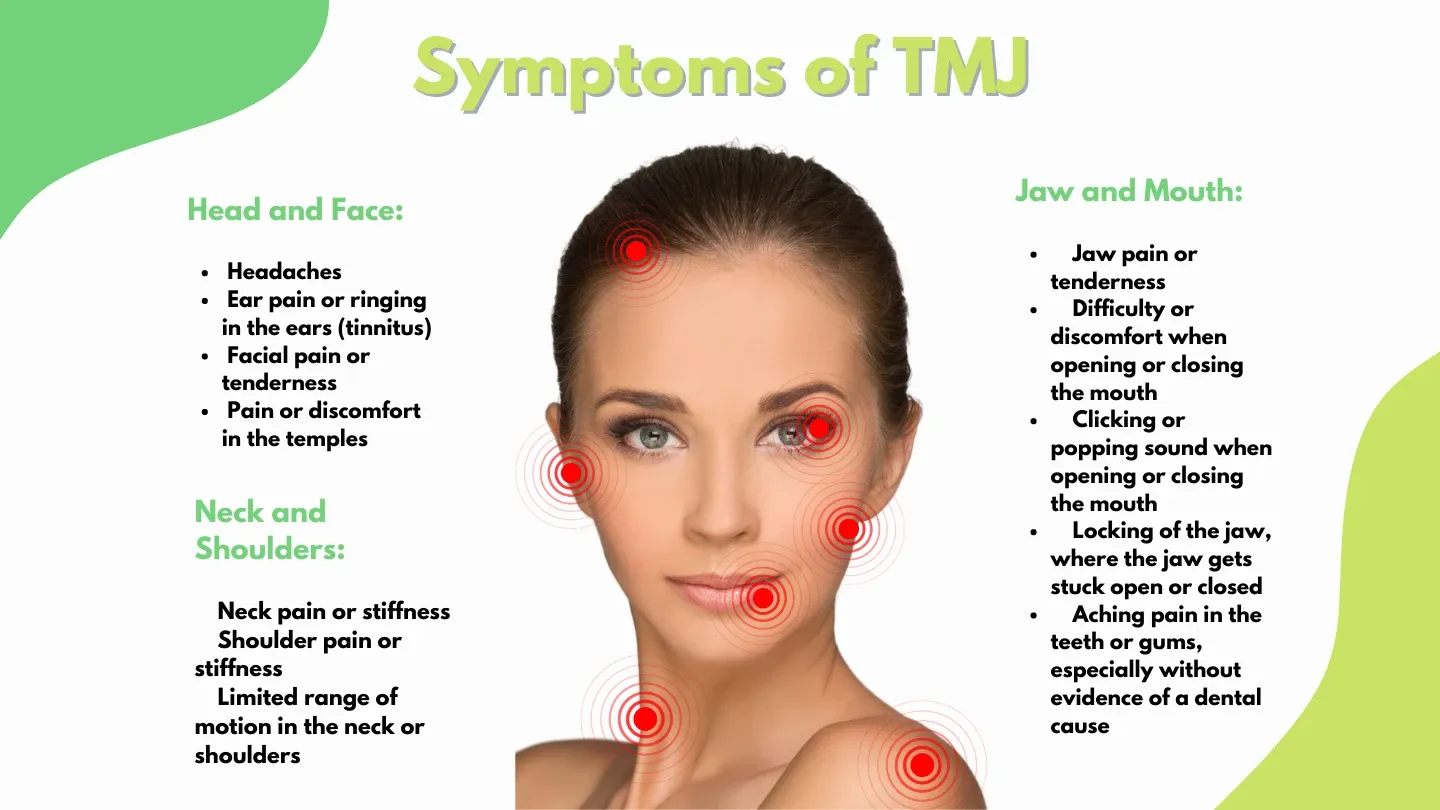
Symptoms of TMJ
TMJ symptoms aren’t limited to your jaw. You may notice them in your head and face, your jaw and mouth, or your neck and shoulders.
Head and face
- Headaches
- Ear pain or ringing in the ears (tinnitus)
- Facial pain or tenderness
- Pain or discomfort in the temples
Jaw and mouth
- Jaw pain or tenderness
- Difficulty or discomfort when opening or closing the mouth
- Clicking or popping sound when opening or closing the mouth
- Locking of the jaw, where the jaw gets stuck open or closed
- Aching pain in the teeth or gums, especially without evidence of a dental cause
Neck and shoulders
- Neck pain or stiffness
- Shoulder pain or stiffness
- Limited range of motion in the neck or shoulders
Physiotherapy for TMJ
Physiotherapy is a form of treatment that involves exercises, manual therapy, and other techniques to help relieve pain and improve mobility.
When it comes to TMJ, physiotherapy can help by:
- Reducing pain: A physiotherapist can use manual therapy techniques like massage and stretching to alleviate pain in the jaw and surrounding muscles.
- Improving jaw mobility: Through targeted exercises and stretches, a physiotherapist can help increase the range of motion in the jaw, making it easier to open and close the mouth.
- Addressing underlying causes: If TMJ is caused by an underlying issue like teeth grinding or poor posture, a physiotherapist can help address those issues and prevent future problems.
Physiotherapy can be a positive experience for those with TMJ, for a few reasons:
- The exercises and techniques used in physiotherapy will help loosen your jaw muscles and improve jaw function.
- Physiotherapy is a social experience. You’ll be working with a physiotherapist who can guide you through exercises and offer encouragement and support.
- If you’re dealing with pain and discomfort from TMJ, it can be frustrating and discouraging. But by taking action and seeking treatment, you can regain a sense of control over your health and well-being.
In summary, TMJ can be a painful and frustrating condition, but physiotherapy can be an effective way to address it. With the help of a skilled physiotherapist, you can reduce pain, improve mobility, and feel better overall.
So don’t hesitate to seek out physiotherapy if you’re dealing with TMJ – it could be just the solution you need!
More from the blog
-
Plantar Fasciitis Treatment
Are you feeling like you’ve got a rock in your shoe, even when you’re not wearing any? Do you dread getting out of bed in the morning because of that sharp pain in your heel?
-
Decompression Table Therapy
Back pain is a common problem affecting millions of people worldwide. While there are several ways to manage it, one of the most effective is through the use of a spinal decompression table.
-
Relieve Carpal Tunnel Syndrome
Have you ever felt tingling, numbness, electrical currents, burning or a combination of all sensations in your fingers or hands?