EMPC
Book a visit
A patient flexing the wrist beside a keyboard at dusk

Carpal Tunnel Treatment in Mississauga

Hands that wake you should be heard.

Numbness and tingling in your thumb and fingers, often worse at night, is the classic sign of carpal tunnel syndrome. We check your wrist, arm and neck, and treat what we find.

  • Same-week assessment
  • No referral required
  • Direct insurer billing

A clinical look at carpal tunnel.

A clinician's hands assessing the wrist's carpal compartment
Assessment and treatment for carpal tunnel in Mississauga.

Carpal tunnel syndrome causes numbness, tingling and pain in the hand when the median nerve is squeezed where it passes through the wrist. At European Massage & Physiotherapy Center in Mississauga, we offer carpal tunnel treatment with physiotherapy and acupuncture, whether your symptoms came on with desk work, a hand-heavy job or hobby, or for no clear reason. You don't need a referral. Book online or call (905) 270-5553.

The carpal tunnel is a narrow passage at the front of the wrist, shared by the median nerve and the tendons that bend your fingers. Anything that crowds it can press on the nerve, from long hours with the wrist bent to swelling. Similar symptoms can also start in the neck or at the elbow, so we check those too.

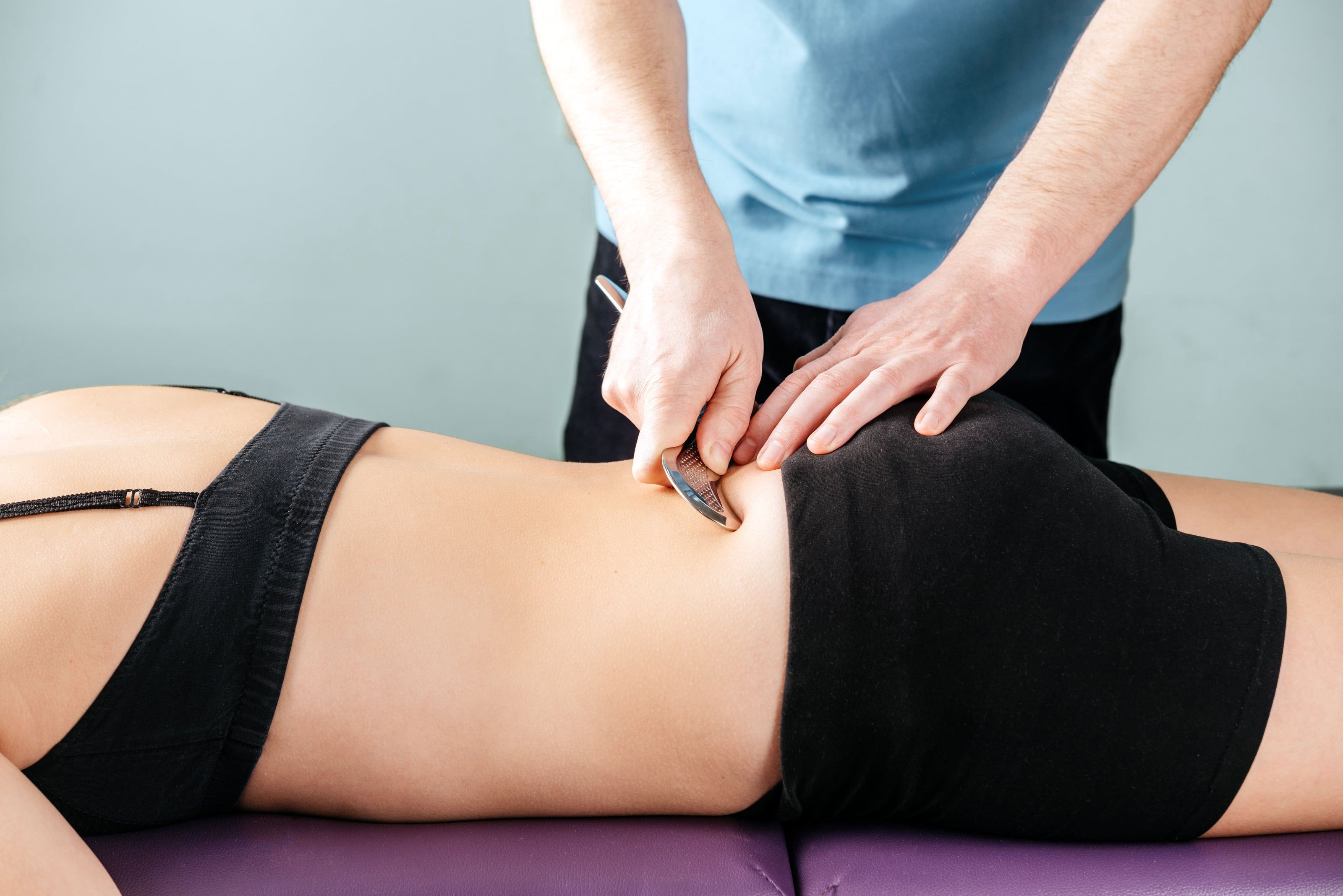
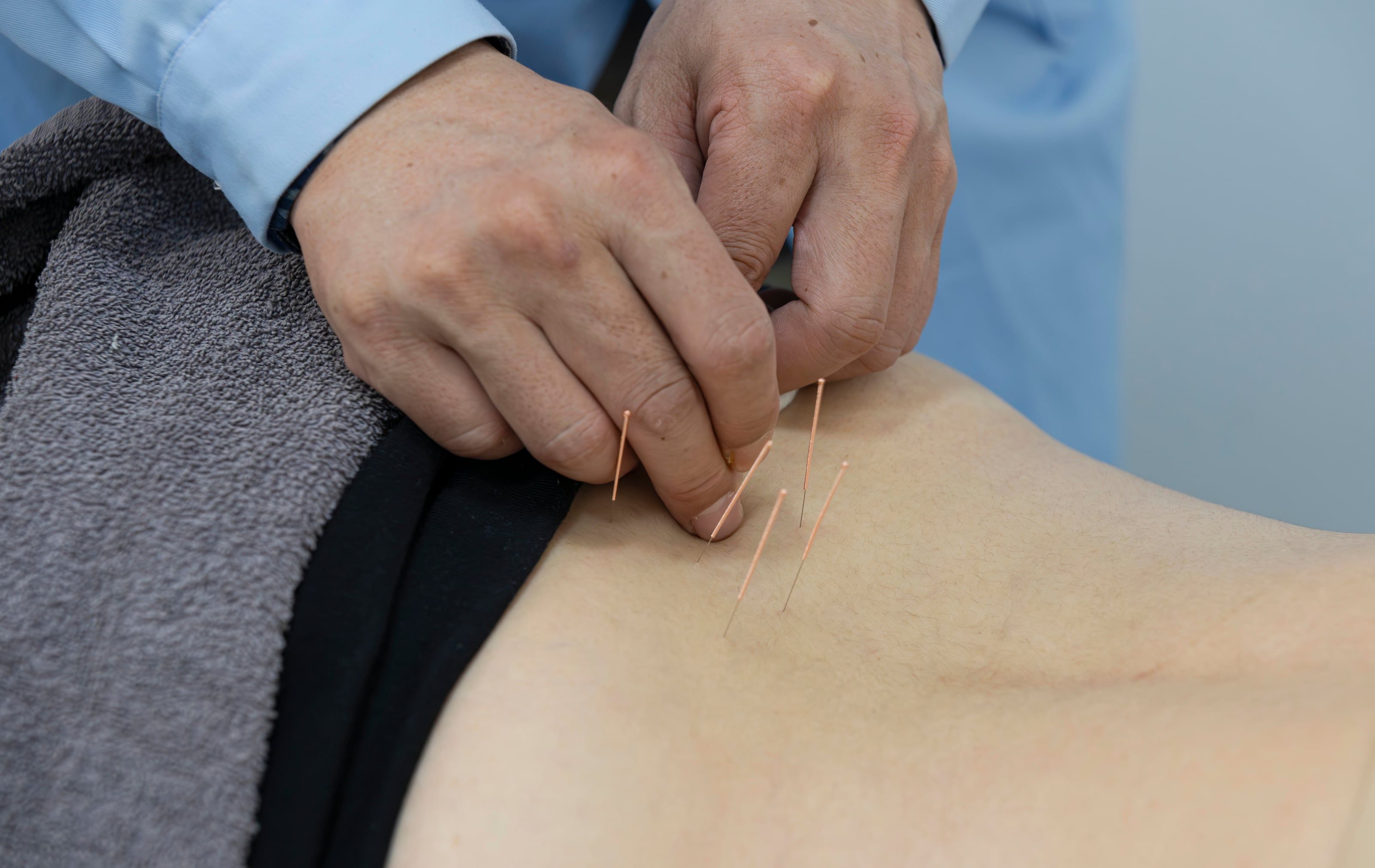
Treatment depends on what we find. It may include hands-on work for the wrist, forearm and neck, exercises that help the nerve and tendons glide, the Graston technique for tight soft tissue in the forearm, and acupuncture. We also look at how you use your hands at work and at home, and suggest changes to your desk setup, grip and breaks.

Many extended health plans cover physiotherapy and acupuncture, and we can bill many insurers directly. Some plans ask for a doctor's note before they pay, so check yours.

How carpal tunnel shows up.

A small constellation — pain, stiffness, and one or two other unwelcome guests that travel with it.

  • Numbness and tingling in the fingers

    Pins and needles in the thumb, index and middle fingers and part of the ring finger. The little finger is usually spared.

  • Symptoms that wake you at night

    Tingling or numbness that wakes you, often eased by shaking the hand out or hanging it over the side of the bed.

  • Tingling while you grip or hold

    Symptoms that come on while you hold a phone, a steering wheel or a book, or use a mouse for a long stretch.

  • A weaker grip or clumsy hands

    Dropping things, or finding buttons and jar lids harder than they used to be. This is worth having checked early.

Where carpal tunnel actually comes from.

The usual causes, from everyday strains to conditions that build up over years.

i.

Long hours with the wrist bent

typing, using a mouse, or holding a phone or tablet.

ii.

Repeated gripping and hand work

tools, especially vibrating ones, and jobs or hobbies that keep the hands busy for hours.

iii.

Swelling in the wrist

from pregnancy, a wrist injury, or conditions such as arthritis, diabetes and thyroid problems.

iv.

Nerve problems higher up the arm

an irritated nerve in the neck or at the elbow can cause similar symptoms, or add to them.

v.

The shape of your wrist

some people simply have a narrower carpal tunnel than others.

Signs the body needs a clinician.

Most pain can wait for an appointment. A few signs need care straight away.

Tingling that keeps coming back

If it has lasted more than a few weeks or keeps waking you, an assessment can show what's behind it.

Weakness or constant numbness

A weak grip, dropping things, numbness that doesn't come and go, or a thumb muscle that looks thinner can mean more pressure on the nerve. Have it checked soon.

Symptoms after a wrist injury

Numbness or tingling after a fall onto the hand or a wrist fracture should be checked by a doctor promptly.

Sudden numbness or weakness

Numbness or weakness that comes on suddenly, especially on one side of the body or with trouble speaking or seeing, is an emergency. Call 911.

Red flags — don't wait. Sudden severe weakness or numbness, loss of bladder or bowel control, chest pain, or a fever with this pain: go to the nearest emergency department or call 911.
Call (905) 270-5553

A four-step plan.

Every plan is built around what we find at your assessment, and we review it at each visit.

i.

Assess and explain.

We look at the wrist, the arm and the neck, since similar symptoms can start higher up, and explain what we think is going on.

ii.

Calm the symptoms.

Hands-on work for the wrist and forearm, the Graston technique or acupuncture when they suit, and exercises that help the nerve glide.

iii.

Take the strain off.

Practical changes to your desk setup, grip, breaks and sleeping position to ease the load on your wrist.

iv.

Build strength.

Exercises for the hand, wrist and forearm as your symptoms allow, including a few to do at home.

What to expect on the day.

Your first visit is an assessment of about an hour, ending with a plan.

A close view of wrist mobility work during a session

Your history.

When the symptoms started, which fingers are affected, what brings them on, how you sleep, and the work you do with your hands.

A clinician's hands assessing the wrist's carpal compartment

The assessment.

We test sensation and strength in your hand, check the nerve's response at the wrist, and look at your elbow and neck.

A patient flexing the wrist beside a keyboard at dusk

Your plan.

What we think is going on, what we'll do, what to change at work and at home, and how often to come back.

What recovery actually looks like.

A typical course of care. Everyone's recovery is different, and your practitioner will tell you what to expect for yours.

First visits

Calm the symptoms.

Hands-on treatment, nerve gliding exercises, and small changes to how you use your hands and how you sleep.

Following weeks

Build strength and tolerance.

Exercises progress as your hand allows, and visits usually become less frequent.

After that

Keep it going.

A short routine of your own, a desk setup that suits you, and a check-in if the symptoms come back.

Common questions

What patients most often ask.

Many people sleep with their wrists curled, which narrows the tunnel and adds pressure on the nerve. Shaking the hand out often brings the feeling back. Your physiotherapist can talk through sleeping positions that may help.

Physiotherapy is commonly used for mild to moderate carpal tunnel syndrome. It aims to ease the symptoms with hands-on work, nerve gliding exercises and changes to how you use your hands. If your assessment suggests you need a doctor's review or a nerve test, we'll tell you.

Usually, yes. Small changes can make a difference: the height of your keyboard and mouse, keeping your wrist straight, and short breaks to move your hands. Your physiotherapist can suggest changes that fit your desk and your day.

It can be either, or both. A nerve irritated in the neck or at the elbow can cause tingling in the hand too. That's why your assessment checks the neck and arm as well as the wrist.

Many extended health plans cover physiotherapy and acupuncture, and we can bill many insurers directly. You don't need a referral, but some plans ask for a doctor's note before they pay.

A person flexing the wrist beside a keyboard at dusk
Same-week assessments available

Begin your recovery.

  • Phone (905) 270-5553
  • Address 1140 Burnhamthorpe Rd W, Unit 123