Assess, then treat.
Your physiotherapist finds the source of the problem and checks your health first, for example whether you bruise easily or take blood thinners.
Steel tools, a careful touch.
Smooth stainless-steel instruments glided over the skin to find and treat tight or irritated soft tissue. Used by our physiotherapists as part of physiotherapy.
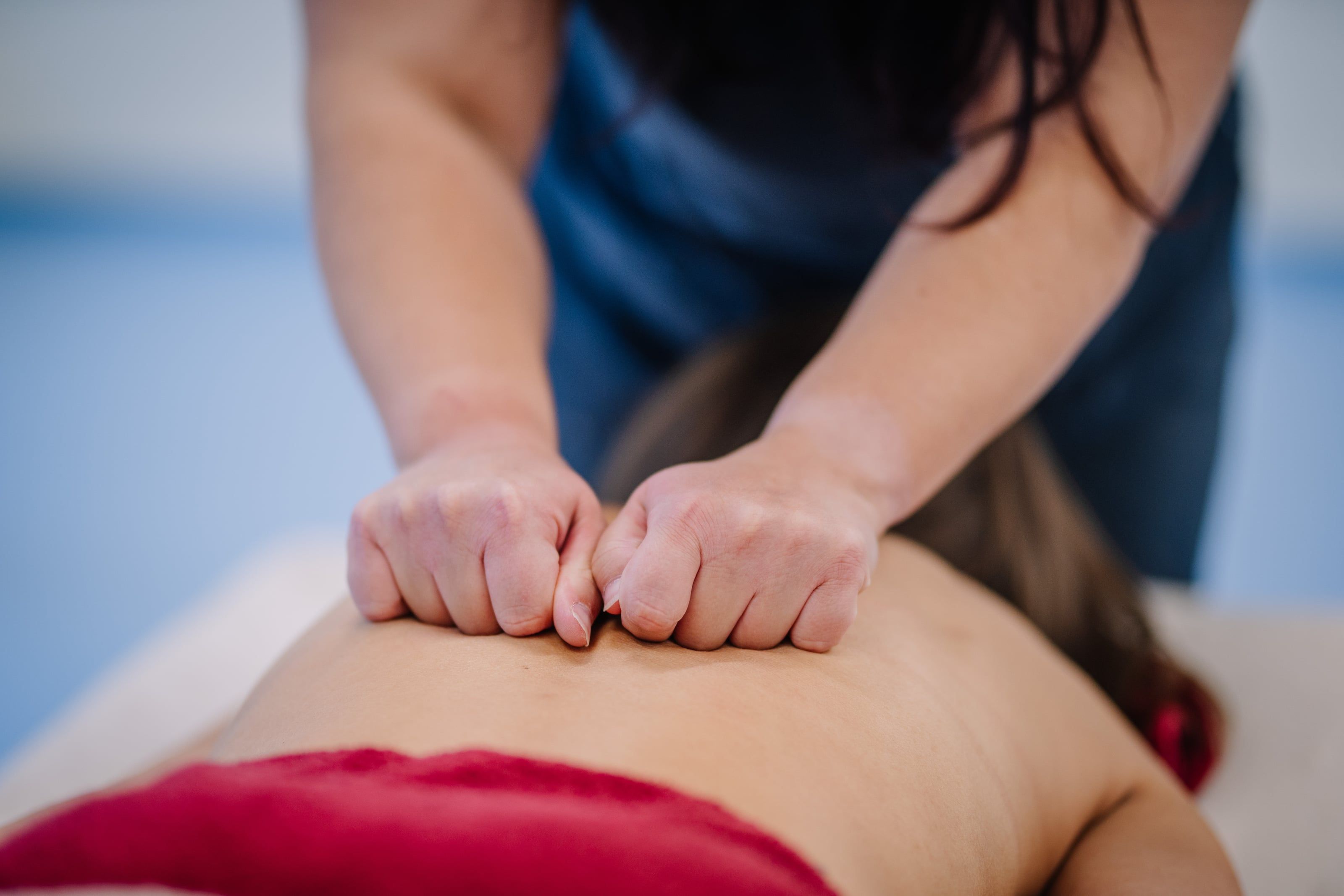
European Massage & Physiotherapy Center offers the Graston technique in Mississauga at 1140 Burnhamthorpe Road West. Our physiotherapists use it within physiotherapy for soft-tissue problems in the shoulder, elbow, wrist, knee and foot. Your physiotherapist decides whether it suits you after an assessment. You don't need a doctor's referral. To start, book a physiotherapy assessment online or call (905) 270-5553.
The Graston technique is a form of instrument-assisted soft-tissue mobilization. Your physiotherapist uses a set of stainless-steel instruments with smooth, bevelled edges, gliding them over the skin with a little lotion. The instruments help them feel areas of tight or restricted tissue in muscles, tendons and fascia, and then treat them. The aim is to ease pain and help the tissue move more freely.
It is commonly used for tendon problems such as tennis elbow and Achilles pain, for plantar fasciitis, for rotator cuff problems in the shoulder, for carpal tunnel syndrome, and for tight scar tissue after an injury. The instrument work is usually followed by stretching and strengthening exercises, in the session and at home.
The instruments feel like firm pressure moving over the skin, and some spots can feel tender. Your physiotherapist adjusts the pressure to what you can tolerate. It's normal for the skin to look red afterwards, and some people get light bruising. Your first physiotherapy visit is a 60-minute initial assessment, and follow-ups are 30, 45 or 60 minutes.
The Graston technique is part of physiotherapy. Many extended health plans cover physiotherapy, and we can bill many insurers directly. Some plans ask for a doctor's note before they pay, so check yours. Massage therapy, acupuncture and chiropractic are also available at the same clinic.
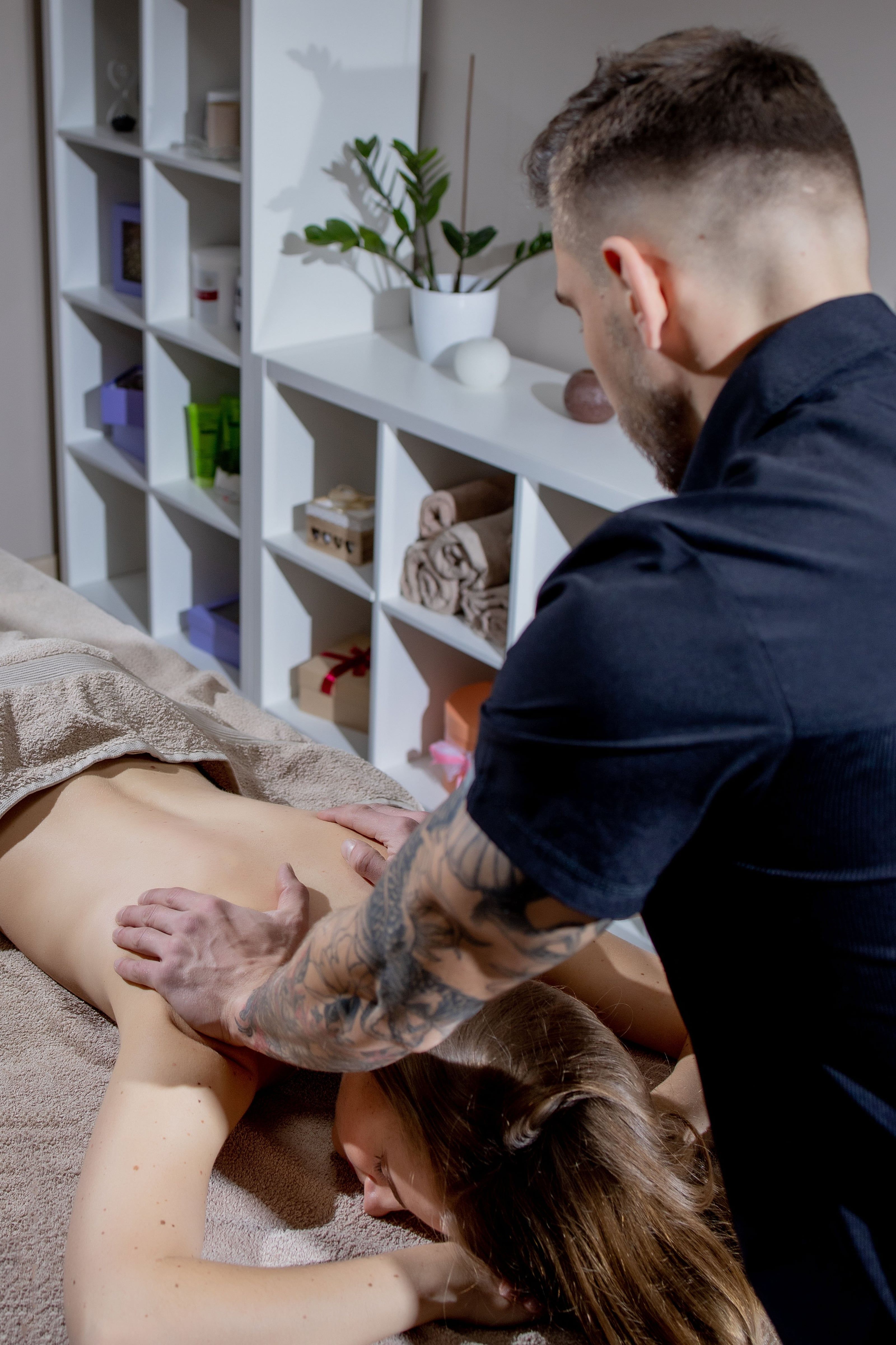
Your physiotherapist finds the source of the problem and checks your health first, for example whether you bruise easily or take blood thinners.
The pressure is adjusted as you go. Tell your physiotherapist if a spot is too tender, and they will ease off.
Stretching and strengthening exercises usually follow the instrument work, in the session and at home.
Graston is combined with other hands-on treatment, taping or exercise as your problem needs, and reviewed at each visit.
How an appointment usually goes, step by step.
Your first physiotherapy visit finds out what's behind the problem and whether the Graston technique suits it.
Your physiotherapist puts a little lotion on the skin and glides the instruments over the area to feel for tight or restricted spots.
They work over those spots with firm, controlled strokes, adjusting the pressure to what you can tolerate. The skin often goes red.
The instrument work is followed by stretching or strengthening exercises, and you leave with a few to do at home.
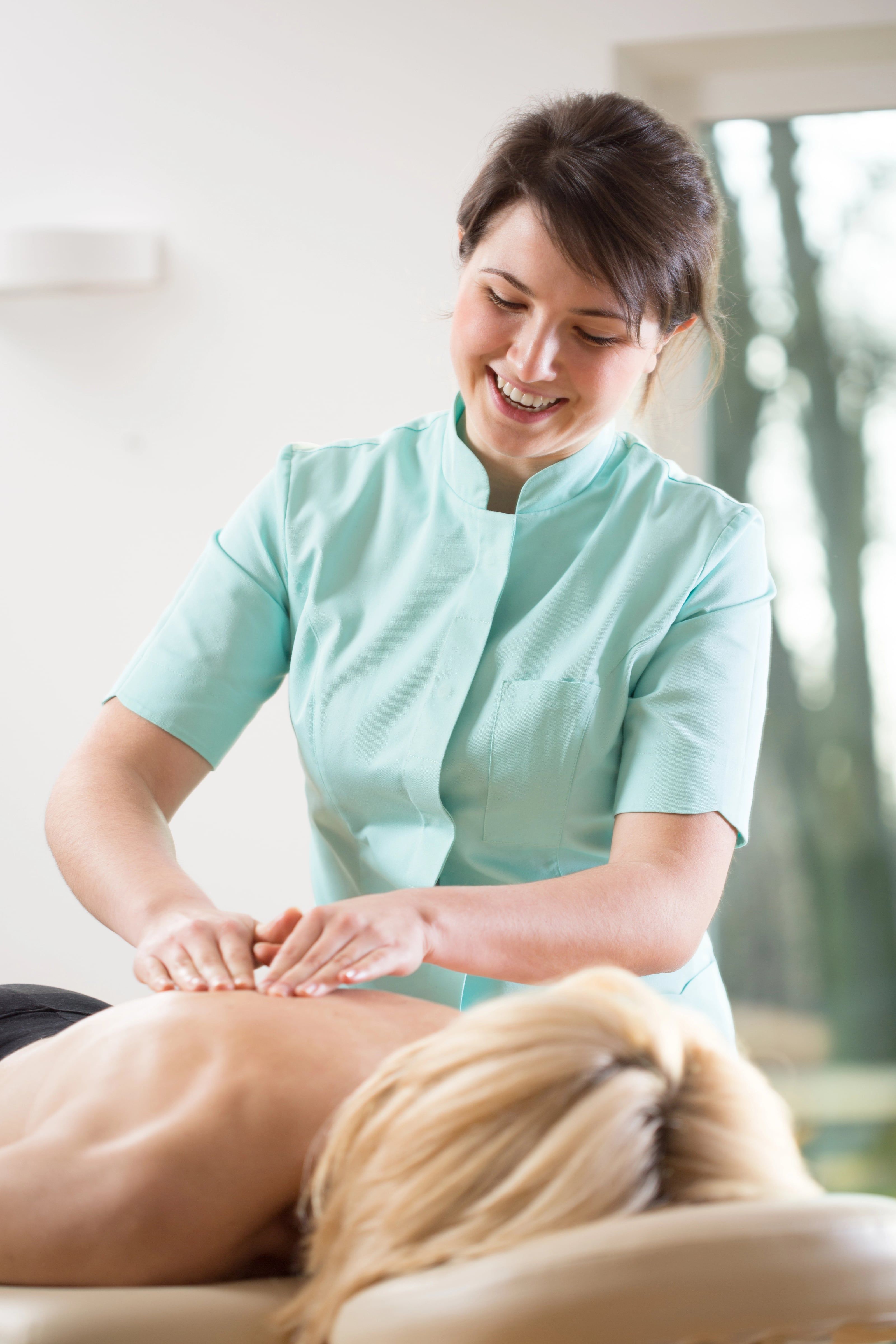
Graston Technique pairs naturally with the rest of our care for a wide range of musculoskeletal complaints.
Each one links to their profile, where you can book with them.
It can be uncomfortable over tight or tender spots, and it feels like firm pressure moving across the skin. Your physiotherapist adjusts the pressure to what you can tolerate. Redness afterwards is normal, and some people get light bruising that fades on its own.
It's commonly used for tendon and soft-tissue problems such as tennis elbow, Achilles pain, plantar fasciitis, rotator cuff problems in the shoulder, carpal tunnel syndrome and tight scar tissue. Your physiotherapist decides whether it suits you after an assessment.
Both work on soft tissue. In the Graston technique, a physiotherapist uses stainless-steel instruments to feel and treat small areas of tight tissue, usually followed by exercises. Massage therapy uses the hands and is given by registered massage therapists, also at the same clinic.
No. It's given as part of physiotherapy, which you can book without a doctor's referral in Ontario. Many extended health plans cover physiotherapy, and we can bill many insurers directly, though some plans ask for a doctor's note first.