EMPC
Book a visit
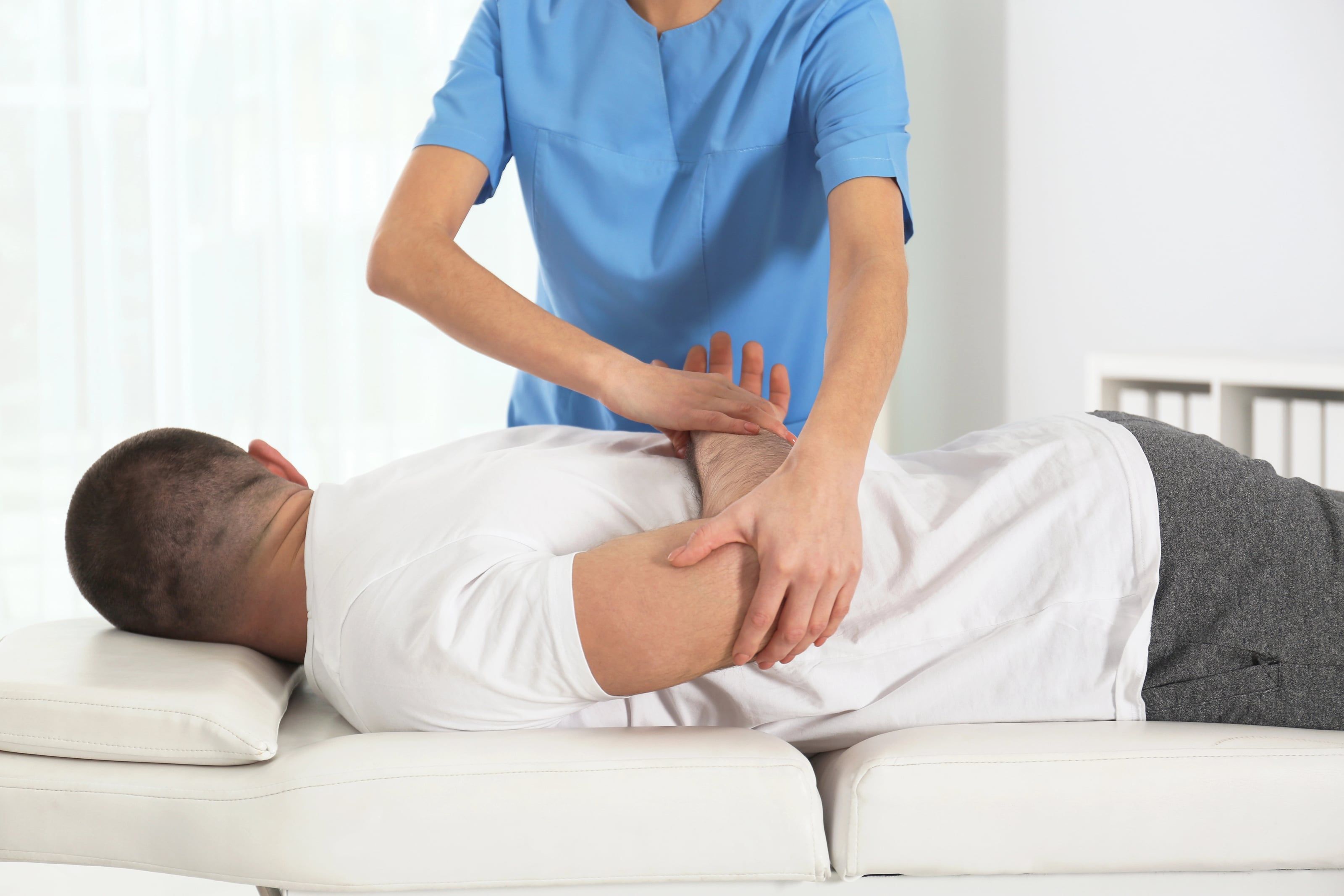
A close view of a clinician assessing the shoulder

Shoulder Pain Treatment in Mississauga

Reach further without thinking about it.

When reaching up, behind you or across your body starts to hurt, everyday tasks get harder. We find out what's behind your shoulder pain and treat it, with hands-on care and exercise.

  • Same-week assessment
  • No referral required
  • Direct insurer billing

A clinical look at shoulder pain.

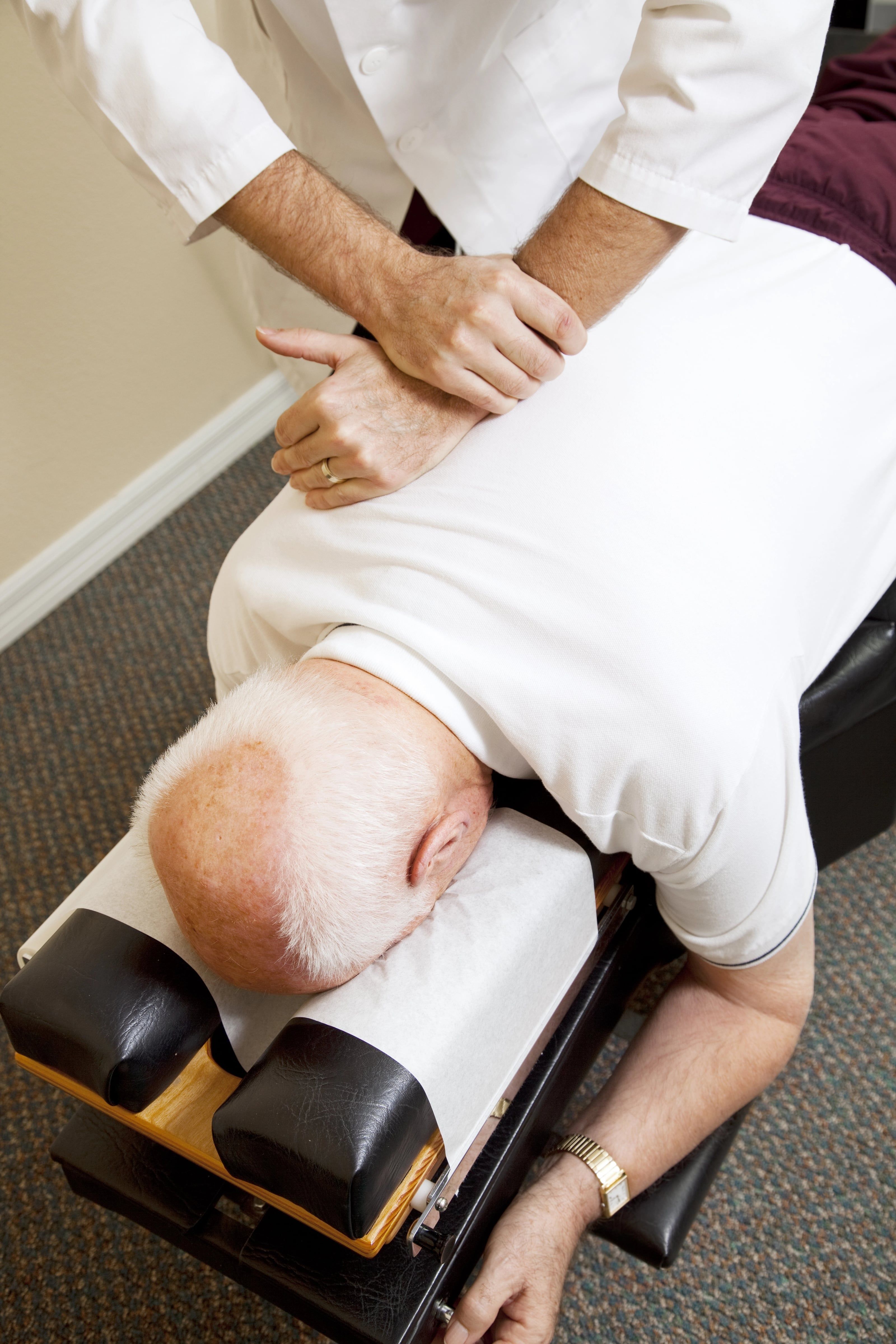
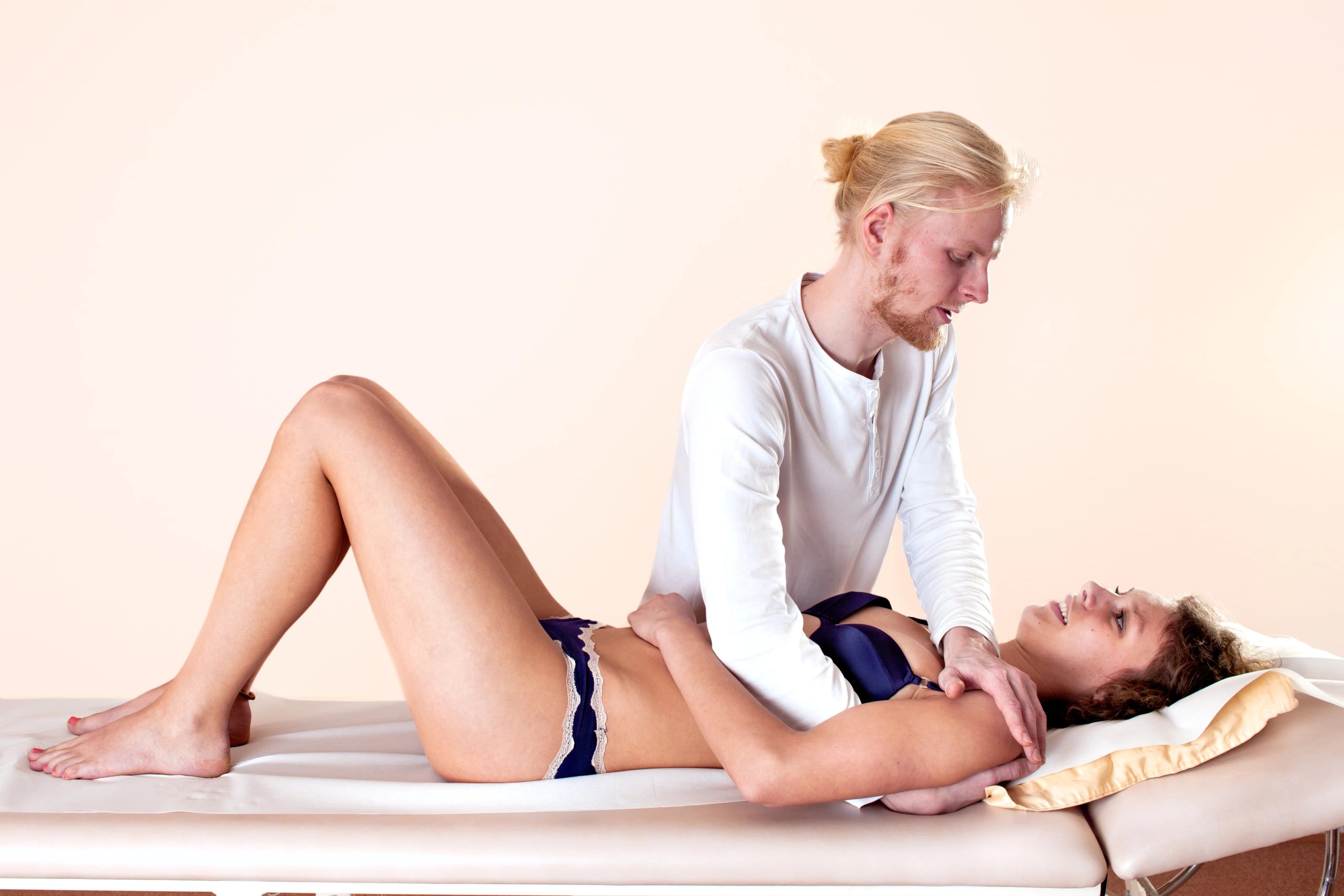
A practitioner's hands at the shoulder during a manual technique
Assessment and treatment for shoulder pain in Mississauga.

The shoulder moves more freely than any other joint, which also makes it easy to strain. At European Massage & Physiotherapy Center in Mississauga, we offer shoulder pain treatment for rotator cuff problems, frozen shoulder, impingement, strains and sprains, and pain after a fall, a car accident or shoulder surgery. You don't need a referral. Book online or call (905) 270-5553.

Much shoulder pain involves the rotator cuff, the muscles and tendons that keep the joint steady as you move. Its tendons can become irritated by overuse, or pinched when you lift your arm. In frozen shoulder, the capsule around the joint tightens instead. Sometimes the pain starts in the neck. Finding out which it is comes first.

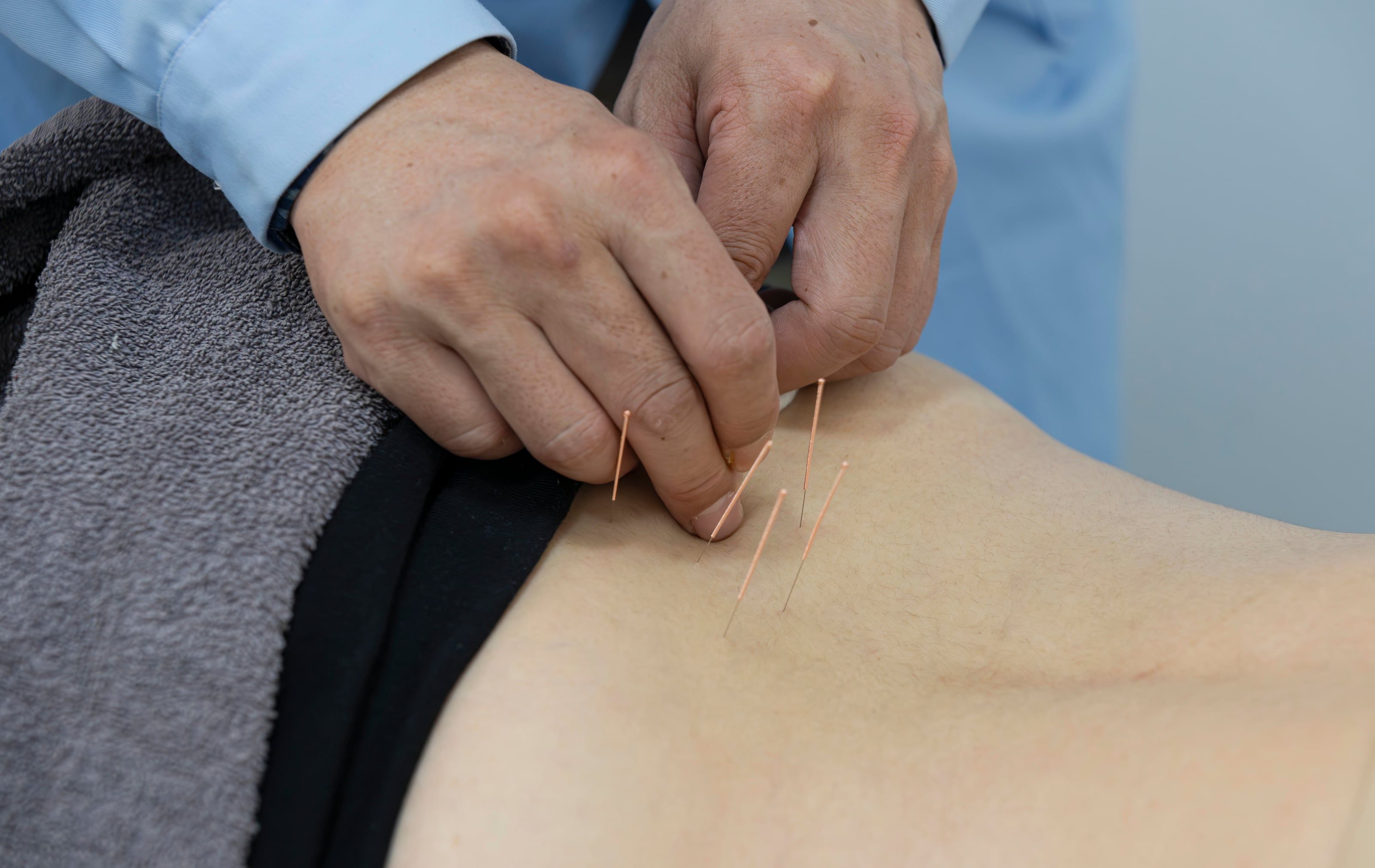
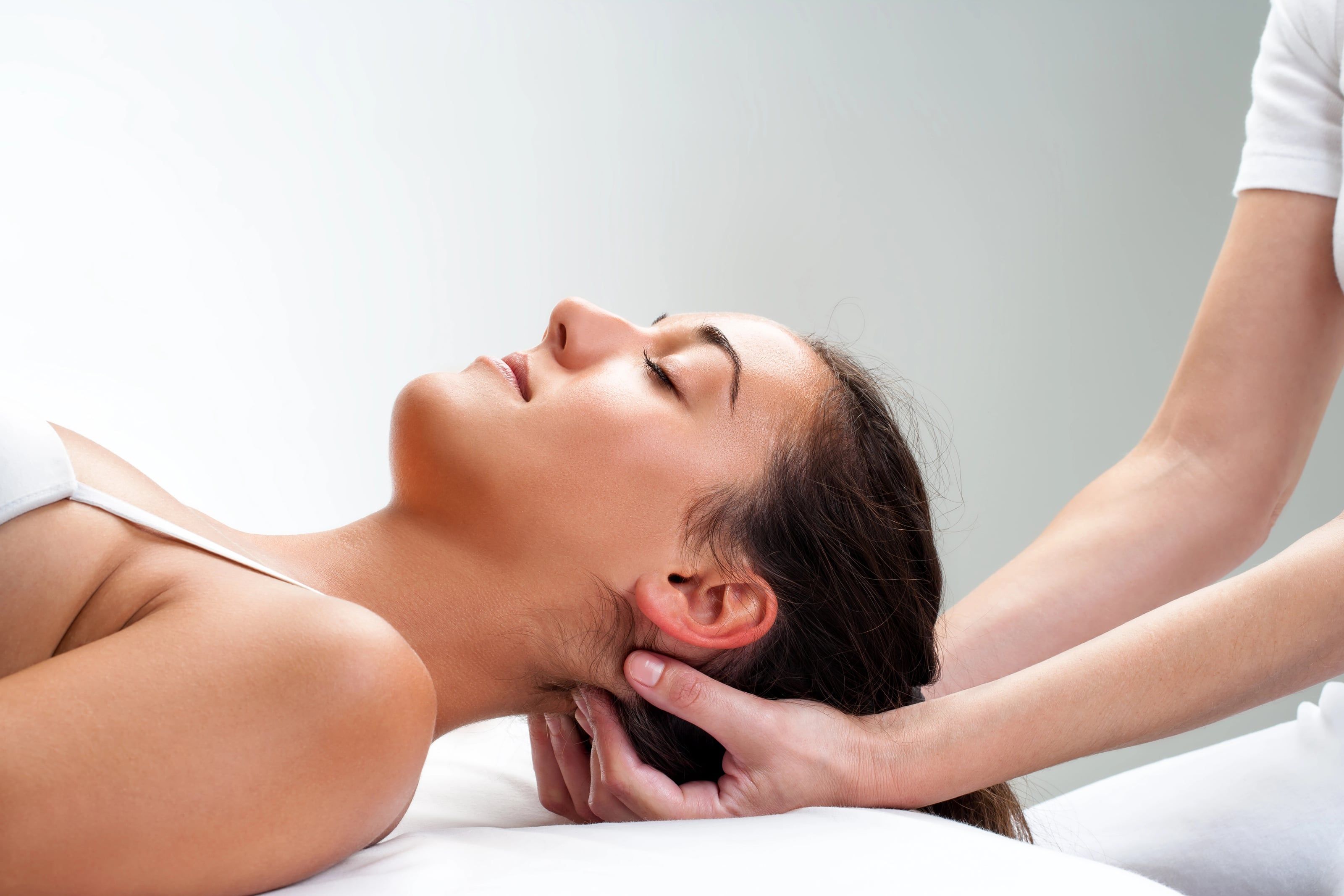
Treatment depends on what we find. It may include joint mobilization, soft-tissue release or massage, a chiropractic adjustment, acupuncture, and exercises to restore your reach and strength. When they suit the problem, our physiotherapists may add shockwave therapy, cold laser therapy, the Graston technique or taping. After shoulder surgery, rehabilitation works step by step within the limits your surgeon sets.

Many extended health plans cover physiotherapy, chiropractic, massage therapy and acupuncture, and we can bill many insurers directly. After a car accident, your auto insurance may pay for treatment.
How shoulder pain shows up.

A small constellation — pain, stiffness, and one or two other unwelcome guests that travel with it.

  • Pain lifting your arm

    Raising your arm out to the side or overhead hurts, often most in the middle of the movement, between shoulder and head height.

  • Pain at night

    Lying on the sore side is hard, and the ache can wake you or keep you from getting back to sleep.

  • Stiffness reaching behind you

    Tucking in a shirt, doing up a bra or reaching for a seatbelt gets harder. With frozen shoulder, the joint stiffens in every direction.

  • An ache or weakness in the upper arm

    A deep ache on the outside of the upper arm, and an arm that tires or feels weak when you lift or carry things.

Where shoulder pain actually comes from.

The usual causes, from everyday strains to conditions that build up over years.

i.

Rotator cuff problems

irritated, worn or torn tendons in the group of muscles that keeps the shoulder steady as you move.

ii.

Shoulder impingement

a tendon or the bursa above it gets pinched between the bones at the top of the shoulder when you lift your arm.

iii.

Frozen shoulder

the capsule around the joint thickens and tightens, often for no clear reason. It's most common in middle age and more common in people with diabetes.

iv.

Overuse and repeated reaching

overhead work on a building site, painting a ceiling, throwing, swimming, or a weekend of yard work.

v.

Falls and other injuries

landing on an outstretched arm or on the shoulder itself can sprain, dislocate or fracture it, or tear the cartilage rim of the socket.

vi.

Posture and the neck

rounded shoulders from long hours at a desk, or a problem in the neck that sends pain into the shoulder.

Signs the body needs a clinician.

Most pain can wait for an appointment. A few signs need care straight away.

Pain or weakness after a fall

If you can't lift your arm after a fall or a sudden pull, the rotator cuff may be torn. A shoulder that looks out of place, or is badly swollen or bruised, needs medical care the same day.

Pain that limits your reach

If reaching up or behind you has been hard for more than a few weeks, an assessment can show what's holding the shoulder back.

Pain that wakes you at night

Not being able to lie on the sore side, or waking with the ache, is common with rotator cuff problems and frozen shoulder, and worth a careful look.

Pain or tingling down the arm

Pain that runs down the arm with numbness, tingling or weakness in the hand may come from a nerve in the neck, and is worth having checked early.

Red flags — don't wait. Sudden severe weakness or numbness, loss of bladder or bowel control, chest pain, or a fever with this pain: go to the nearest emergency department or call 911.
Call (905) 270-5553

A four-step plan.

Every plan is built around what we find at your assessment, and we review it at each visit.

i.

Find the cause.

We ask how the pain started and what you can't do now, then test how your shoulder moves and how strong it is, and check your neck where needed.

ii.

Ease the pain.

Hands-on treatment such as joint mobilization, soft-tissue work or massage, with shockwave, cold laser or acupuncture when they suit the problem.

iii.

Restore movement.

Gentle exercises to bring back the reach you've lost, progressing as the shoulder allows, including a few to do at home.

iv.

Build strength.

Strengthening for the rotator cuff and the muscles around the shoulder blade, to help the joint handle lifting and reaching again.

The hands and tools most often used.

The treatments we use most often for shoulder pain, chosen to suit what we find.

Acupuncture

Acupuncture in Mississauga, commonly used for pain and muscle tension. No referral needed, and direct billing to many insurance plans.

Learn more

Osteopathy

Osteopathy in Mississauga: gentle manual therapy for back, neck, shoulder and hip pain. No referral needed. Call (905) 270-5553 to book osteopathy.

Learn more

Posture Perfector

Posture Perfector posture brace, available at our Mississauga clinic. An elastic brace that draws your shoulders back while you sit or stand.

Learn more

Physio Taping

Physio taping in Mississauga for sports injuries and support during activity. Kinesiology or physio tape, applied by our physiotherapists.

Learn more

Shockwave Therapy

Shockwave therapy in Mississauga for plantar fasciitis and tendon pain. Part of physiotherapy, with no referral needed and direct billing to many plans.

Learn more

Post-Surgery Rehabilitation

Post-surgery rehabilitation in Mississauga after knee, hip, shoulder or ankle surgery. Physiotherapy that follows your surgeon's instructions.

Learn more

Manual Physiotherapy

Manual physiotherapy in Mississauga for stiff joints and tight muscles. Hands-on treatment by registered physiotherapists, with direct billing to many plans.

Learn more

Graston Technique

Graston technique in Mississauga for tendon and soft-tissue problems. Instrument-assisted soft-tissue work by our physiotherapists, no referral needed.

Learn more

Cold Laser Therapy

Cold laser therapy in Mississauga, given by our physiotherapists. Low-level laser for joint, tendon and soft-tissue pain, with direct billing to many plans.

Learn more

Chiropractic

Chiropractic care in Mississauga for back, neck and joint pain. Assessment, adjustments and exercise, no referral needed, direct billing to many plans.

Learn more

Motor Vehicle Accident

Car accident rehab in Mississauga with physiotherapy, massage therapy and chiropractic. No referral needed, and your auto insurance may pay for treatment.

Learn more

Massage Therapy

Massage therapy in Mississauga from registered massage therapists (RMTs). Deep tissue, Swedish and trigger point work, with direct billing to many plans.

Learn more

Physiotherapy

Physiotherapy in Mississauga for pain, injuries and recovery after surgery. Registered physiotherapists, no referral needed, direct billing to many plans.

Learn more

Who treats it.

Practitioners at EMPC who offer one of these modalities. Each one links to their profile, where you can book with them.

What to expect on the day.

Your first visit is an assessment of about an hour, ending with a plan.

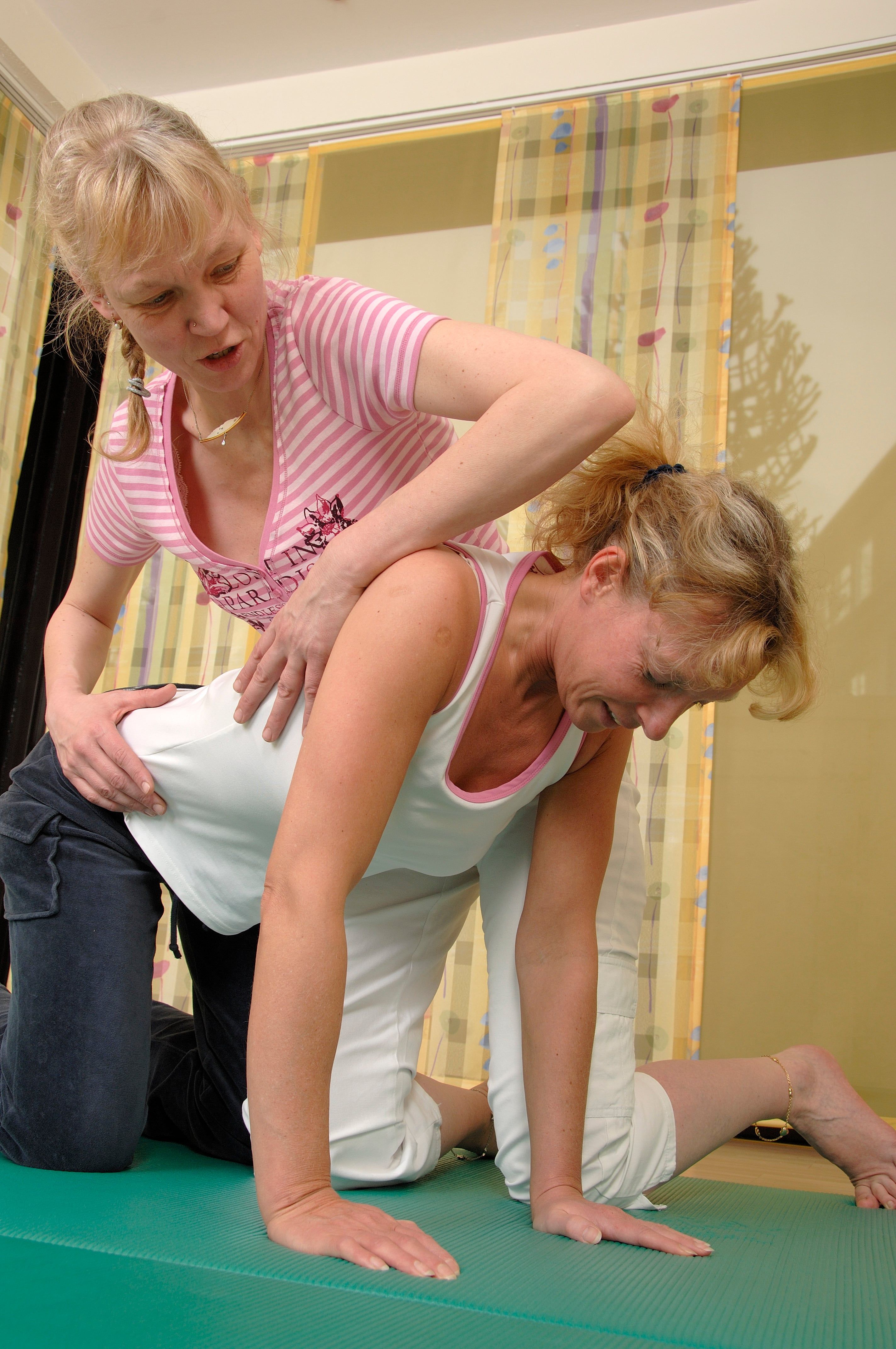
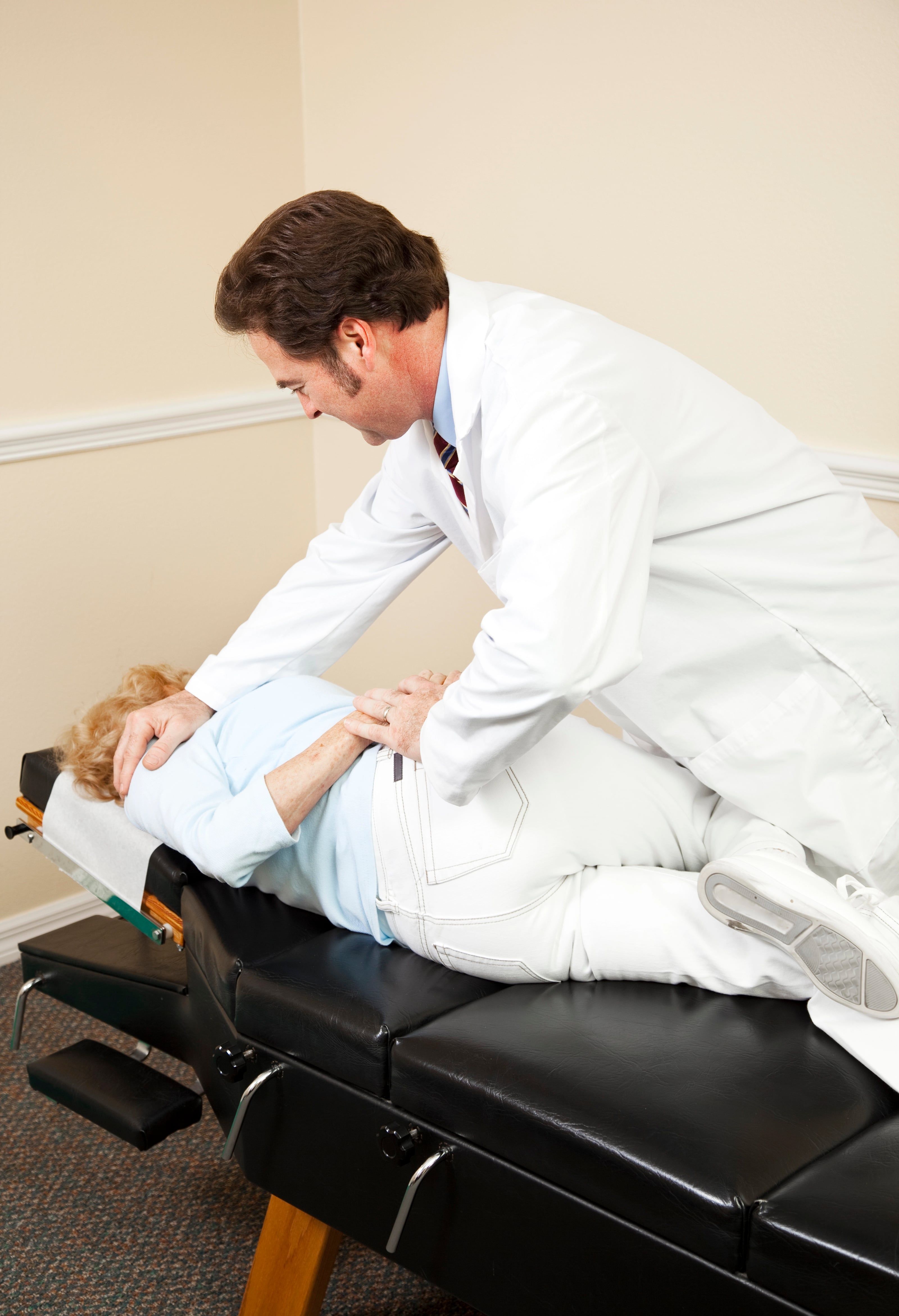
A patient lifting the arm during a range-of-motion test

Your history.

How the pain started, which movements bring it on, how you're sleeping, and your work, sport and any earlier shoulder injuries.

A practitioner's hands at the shoulder during a manual technique

The assessment.

We test how far your shoulder moves on its own and with help, check the strength of the rotator cuff, and screen your neck.

A close view of a clinician assessing the shoulder

Your plan.

What we think is going on, what we'll do, which movements to keep using at home, and how often to come back.

What recovery actually looks like.

A typical course of care. Everyone's recovery is different, and your practitioner will tell you what to expect for yours.

First visits

Settle the pain.

Hands-on treatment, gentle movement, and advice on sleeping and using the arm while the shoulder settles.

Following weeks

Bring back the reach.

Exercises to restore movement up, out and behind you, progressing as the shoulder allows.

Later on

Build strength.

Strengthening for the rotator cuff and shoulder blade, and practice of the lifting and reaching your work or sport needs. Visits usually become less frequent.

After that

Keep it going.

A short routine of your own, and a check-in if the pain comes back.

Common questions

What patients most often ask.

Frozen shoulder, or adhesive capsulitis, is when the capsule around the shoulder joint thickens and tightens. The shoulder becomes painful and then stiff in every direction, and it can be slow to settle. Treatment aims to ease the pain and keep as much movement as possible along the way.

Usually, yes, within what's comfortable. A shoulder that's kept still tends to stiffen. Your practitioner will show you which movements are safe to keep doing and which to ease off for now.

Usually not to start. Most shoulder problems can be assessed by testing how the shoulder moves and how strong it is. If your assessment suggests a tear or something that needs imaging or a doctor's review, your practitioner will tell you and refer you to your doctor.

Yes. Rehabilitation after surgery is part of our physiotherapy. It works step by step, first on movement and then on strength, within the limits your surgeon sets.

Many extended health plans cover physiotherapy, chiropractic, massage therapy and acupuncture, and we can bill many insurers directly. After a car accident, your auto insurance may pay for treatment.
A person testing range of motion in the shoulder
Same-week assessments available

Begin your recovery.

  • Phone (905) 270-5553
  • Address 1140 Burnhamthorpe Rd W, Unit 123