EMPC
Book a visit
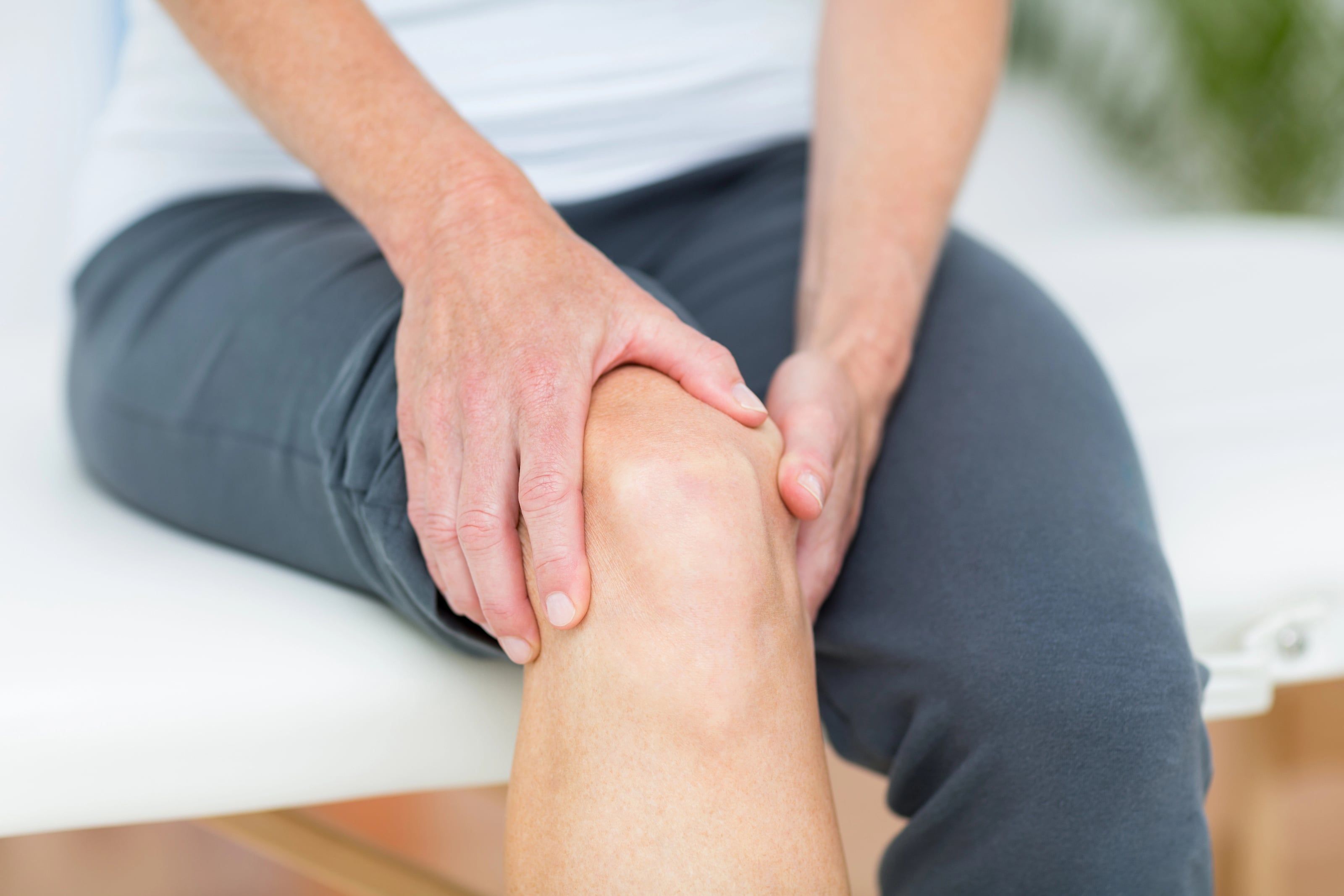
A patient holding the arch of the foot in low daylight

Foot Pain Treatment in Mississauga

Feet that carry you without complaint.

Heel pain on your first steps, an aching arch or a sore Achilles can make every walk harder. We find out what's behind your foot pain and treat it, with custom orthotics when they fit the problem.

  • Same-week assessment
  • No referral required
  • Direct insurer billing

A clinical look at foot pain.

A clinician examining the plantar surface during assessment
Assessment and treatment for foot pain in Mississauga.

Foot pain can make every step harder, from the first ones out of bed to the end of a long day on your feet. At European Massage & Physiotherapy Center in Mississauga, we offer foot pain treatment for plantar fasciitis, heel and arch pain, Achilles tendon pain and pain in the ball of the foot. You don't need a referral. Book online or call (905) 270-5553.

Most foot pain comes from tissues asked to take more load than they're ready for: the thick band under the arch (the plantar fascia), the Achilles tendon, or the joints and small muscles of the foot. A jump in activity, long hours standing, worn-out shoes or the way your foot moves as you walk can all play a part.

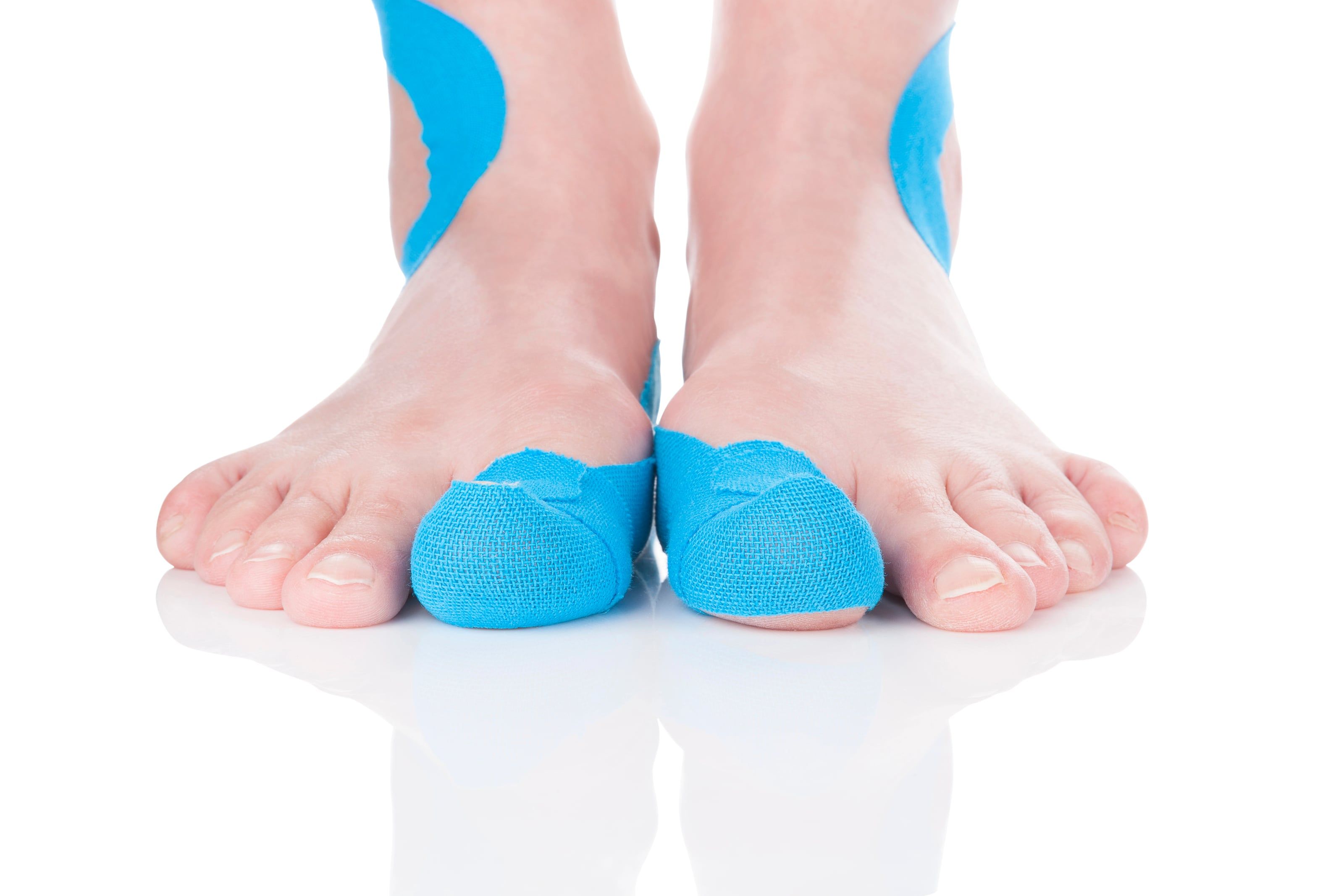
Treatment starts with a physiotherapy assessment of your foot, ankle and calf, how you walk, and the shoes you wear most. It may include hands-on work, exercises for the foot and calf, taping, and, when they suit the problem, shockwave therapy, cold laser therapy or the Graston technique. Shockwave is commonly used for plantar fasciitis and Achilles tendon problems. If the way your foot moves is part of the problem, custom orthotics may help: an orthotic assessment is 30 minutes, and fitting and dispensing takes 15.

Many extended health plans cover physiotherapy, and we can bill many insurers directly. Some plans cover custom orthotics, often with a doctor's prescription; check yours.

How foot pain shows up.

A small constellation — pain, stiffness, and one or two other unwelcome guests that travel with it.

  • Sharp heel pain on your first steps

    A stabbing pain under the heel when you get out of bed or stand up after sitting, often easing once you've walked a little. This is typical of plantar fasciitis.

  • An aching arch

    A tired, heavy ache through the arch of the foot, usually worse late in the day or after long hours standing.

  • Pain at the back of the heel

    Pain and stiffness in the Achilles tendon, just above the heel, often worst in the morning or at the start of a walk or run.

  • Burning in the ball of the foot

    Pain under the front of the foot, sometimes with tingling or numbness between the toes, often worse in thin-soled or tight shoes.

Where foot pain actually comes from.

The usual causes, from everyday strains to conditions that build up over years.

i.

A sudden increase in activity

more walking, a new running plan, or a holiday spent on your feet.

ii.

Long hours standing

on hard floors at work, especially in shoes with little support.

iii.

Worn or unsupportive footwear

shoes that have lost their cushioning, or that don't suit the way you walk.

iv.

The way your foot moves

a flat or high arch, or a foot that rolls in or out as you walk, can load some tissues more than others.

v.

Tight calves and weak foot muscles

they put more strain on the plantar fascia and the Achilles tendon.

Signs the body needs a clinician.

Most pain can wait for an appointment. A few signs need care straight away.

Foot pain lasting more than a few weeks

If it hasn't eased with rest and better shoes, an assessment can show what's keeping it going.

Pain that changes how you walk

If you're limping or changing how you walk to avoid the pain, it's worth having it checked.

Numbness, tingling or burning in the foot

These can mean a nerve is involved and are worth having checked early. If you have diabetes, see your doctor about any new numbness, or a sore or colour change on your foot.

Sudden pain after a fall or twist

A sudden snap or kick-like pain at the back of the heel, or swelling and trouble putting weight on the foot after a fall, should be seen by a doctor the same day.

Red flags — don't wait. Sudden severe weakness or numbness, loss of bladder or bowel control, chest pain, or a fever with this pain: go to the nearest emergency department or call 911.
Call (905) 270-5553

A four-step plan.

Every plan is built around what we find at your assessment, and we review it at each visit.

i.

Find the source.

We ask when the pain started and what makes it worse, and look at your foot, ankle and calf, how you walk, and the shoes you wear most.

ii.

Settle the sore spot.

Hands-on treatment and taping, with shockwave, laser or the Graston technique when they suit the problem, and advice on easing how much you're on your feet for a while.

iii.

Build strength.

Exercises for the calf and the small muscles of the foot, progressed as your foot allows, including a few to do at home.

iv.

Support the foot.

Advice on footwear and activity, and custom orthotics if the way your foot moves is part of the problem.

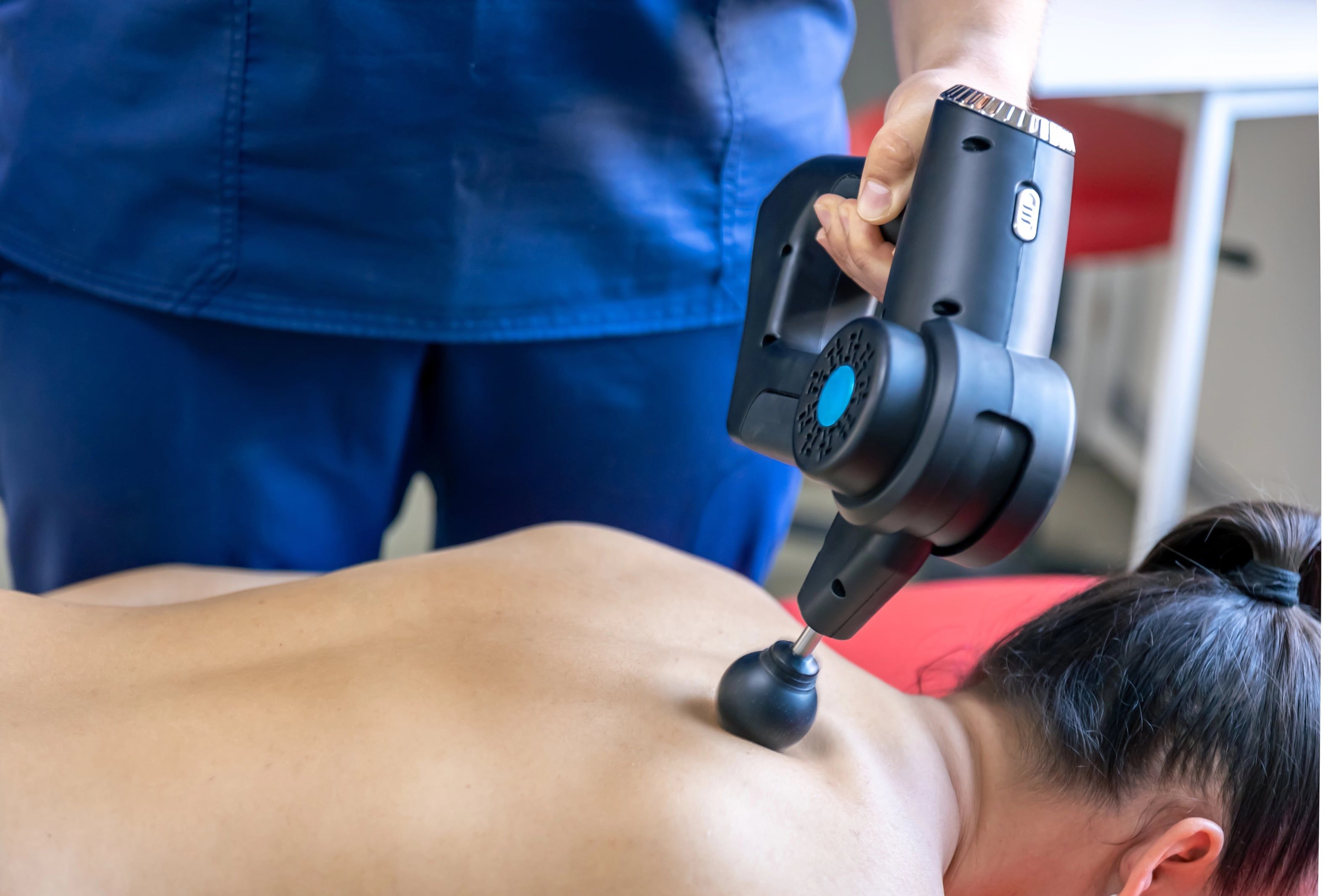
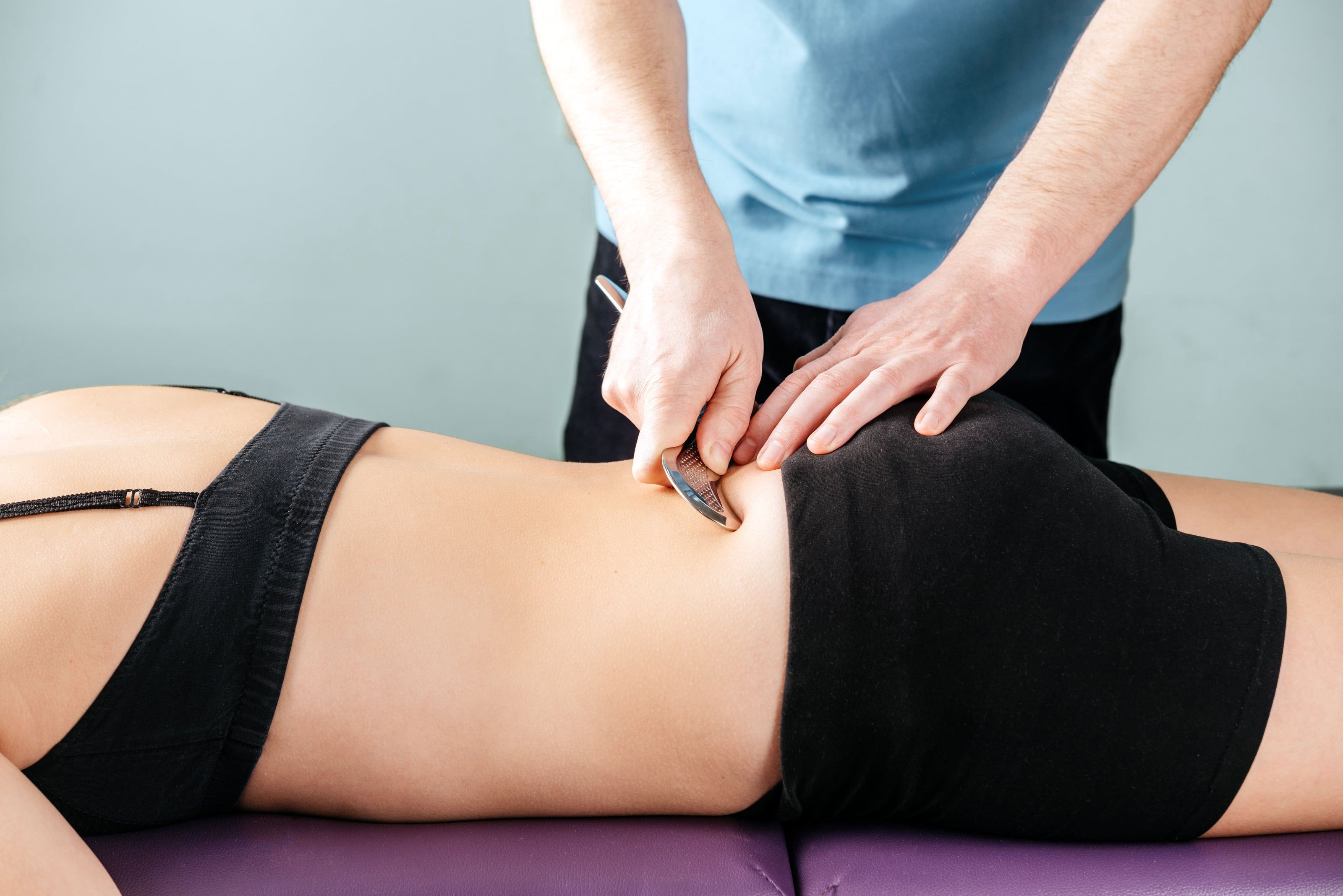
The hands and tools most often used.

The treatments we use most often for foot pain, chosen to suit what we find.

What to expect on the day.

Your first visit is an assessment of about an hour, ending with a plan.

A patient rolling out the arch on a soft mat

Your history.

When the pain started, where it is, what makes it better or worse, your work and activity, and the shoes you wear most.

A clinician examining the plantar surface during assessment

The assessment.

We check how your foot and ankle move, test strength and flexibility in the foot and calf, and watch how you walk.

A patient holding the arch of the foot in low daylight

Your plan.

What we think is going on, what we'll do, what to do at home, whether orthotics might help, and how often to come back.

What recovery actually looks like.

A typical course of care. Everyone's recovery is different, and your practitioner will tell you what to expect for yours.

First visits

Settle the pain.

Hands-on treatment, taping or other treatment where it suits, and changes to footwear and activity to make walking easier.

Following weeks

Build strength and load.

Calf and foot exercises progress as your foot allows, and visits usually become less frequent.

Along the way

Orthotics if you need them.

If custom orthotics are part of your plan, you'll have an orthotic assessment and, once they're made, a short fitting visit.

After that

Keep it going.

A short routine of your own, footwear that suits you, and a gradual build-up when you take on more walking or running.

Common questions

What patients most often ask.

Not always. Many people with plantar fasciitis improve with exercise, hands-on treatment and better footwear. Custom orthotics can help when the way your foot moves is part of the problem. Your assessment will show whether they're worth it for you.

Shockwave therapy sends acoustic pressure waves into the sore tissue. It is commonly used for plantar fasciitis and Achilles tendon problems, often when the pain has lasted a while. Our physiotherapists use it in physiotherapy sessions when it suits the problem.

Usually you can stay active, but you may need to do less for a while or change your surface, pace or shoes. Your physiotherapist can help you find an amount that doesn't flare the pain.

An orthotic assessment is 30 minutes. Once your orthotics are made, a 15-minute visit fits and dispenses them. Book online or call (905) 270-5553.

Many extended health plans cover physiotherapy, and we can bill many insurers directly. Some plans cover custom orthotics, often with a doctor's prescription, so check yours before you book.

A person rolling out an arch on a soft mat
Same-week assessments available

Begin your recovery.

  • Phone (905) 270-5553
  • Address 1140 Burnhamthorpe Rd W, Unit 123