EMPC
Book a visit
A practitioner's hand resting on a patient's knee in soft light

Knee Pain Treatment in Mississauga

Knees that meet every kind of day.

Whether your knee pain comes from wear, a twist on the field or surgery, we assess what's going on and treat it with hands-on care and exercise that builds strength.

  • Same-week assessment
  • No referral required
  • Direct insurer billing

A clinical look at knee pain.
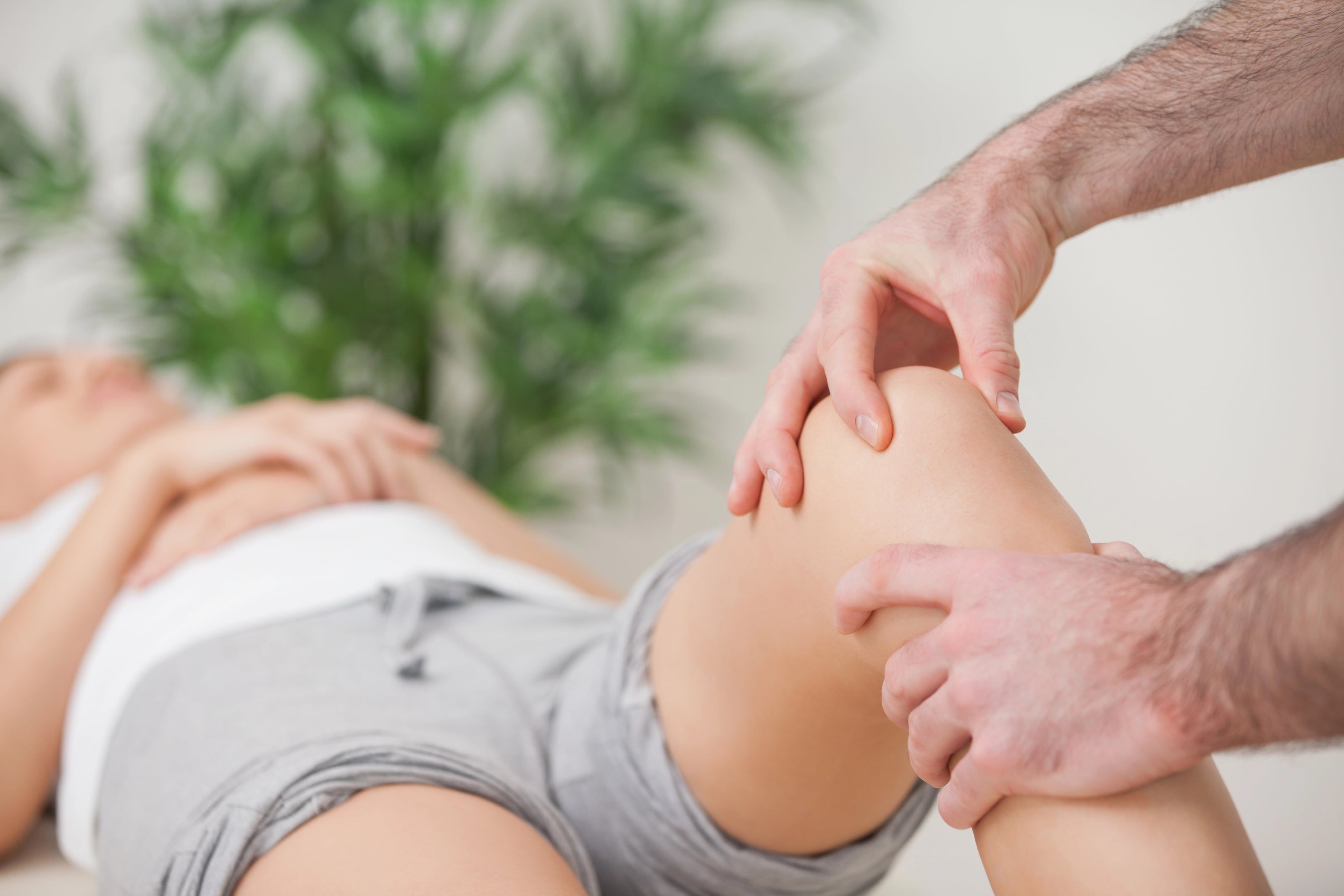
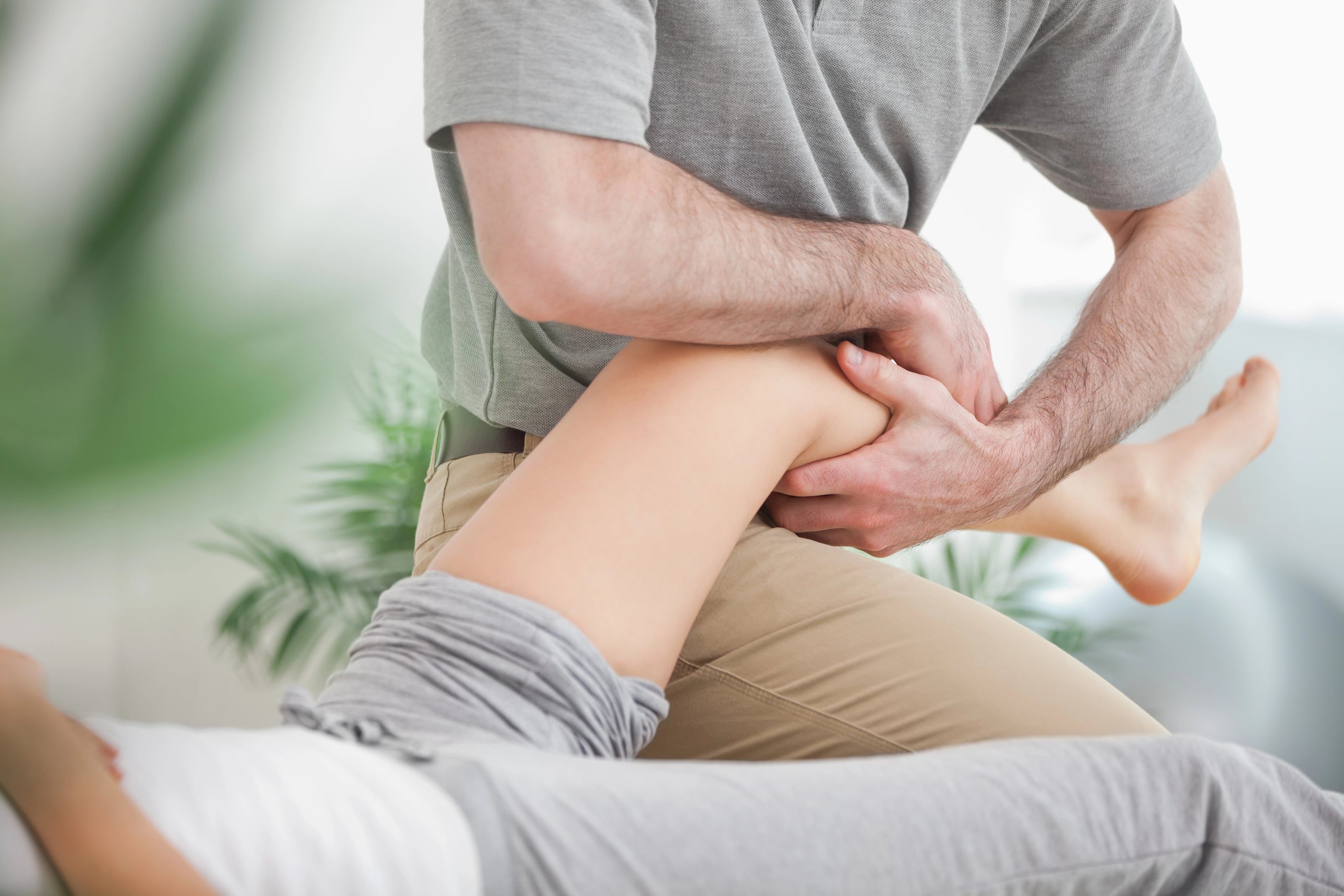
A clinician palpating the knee joint during assessment
Assessment and treatment for knee pain in Mississauga.

Walking, stairs, squatting and sport all put load through the knee, so knee pain is common at any age. At European Massage & Physiotherapy Center in Mississauga, we offer knee pain treatment for osteoarthritis, pain around the kneecap, ligament and meniscus injuries, tendon pain, and rehabilitation after knee surgery. You don't need a referral. Book online or call (905) 270-5553.

Knee pain usually comes from one of three things: gradual wear in the joint, doing more than the knee is used to, or an injury such as a twist or a blow. The way your hip and foot move can add to it by changing how the knee takes your weight.

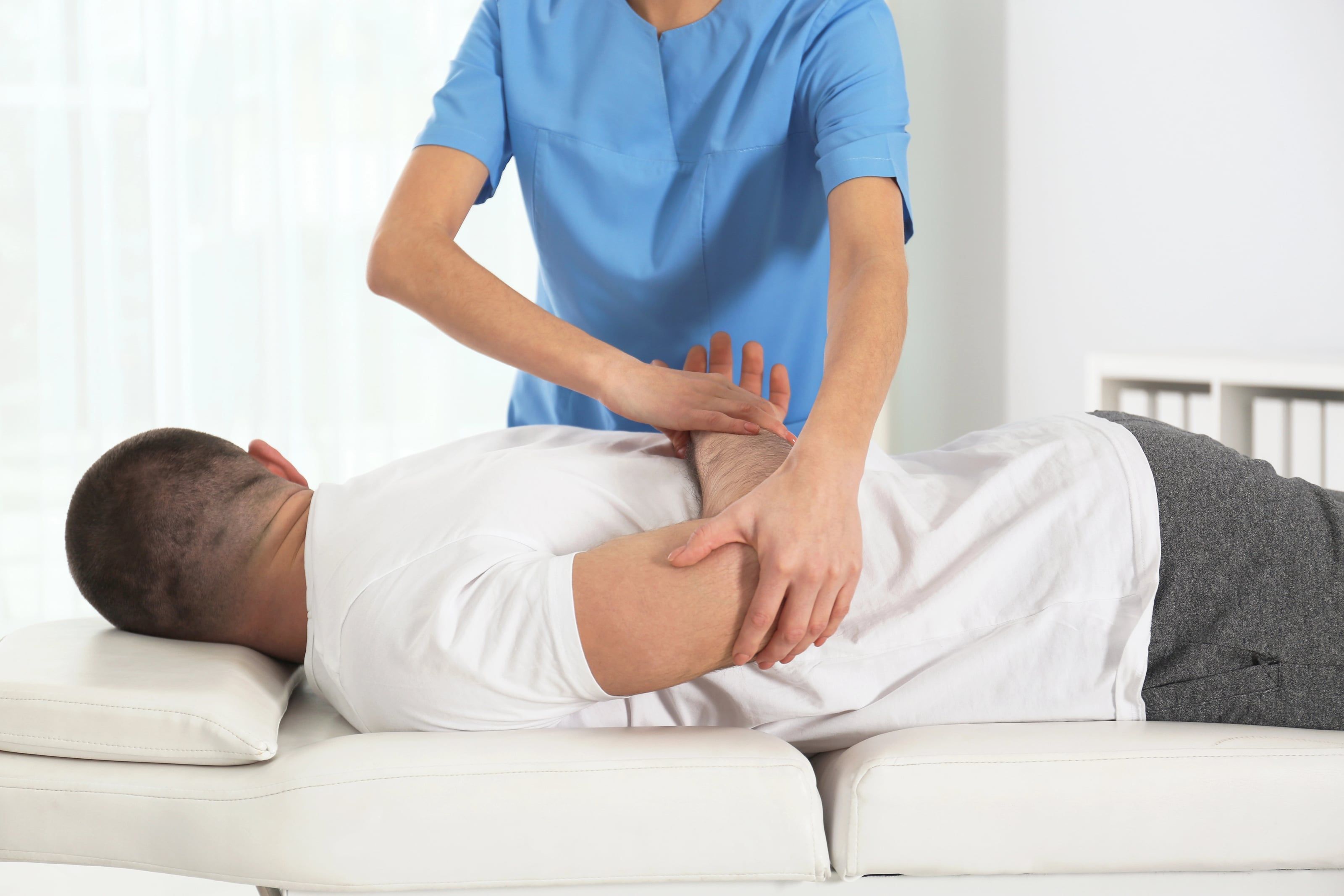
Treatment depends on what we find. It may include joint mobilization and soft-tissue work, acupuncture, and exercises to restore movement and strengthen the thigh, hip and calf. When they suit the problem, our physiotherapists may add shockwave therapy, cold laser therapy, the Graston technique or taping, and custom orthotics may help when the way your foot moves adds to the load. After surgery, rehabilitation works step by step within the limits your surgeon sets.

Many extended health plans cover physiotherapy and acupuncture, and we can bill many insurers directly. Some plans cover custom orthotics, often with a doctor's prescription; check yours.
How knee pain shows up.

A small constellation — pain, stiffness, and one or two other unwelcome guests that travel with it.

  • Pain around the kneecap

    An ache around or behind the kneecap, worse on stairs, when squatting, or when you get up after sitting for a while.

  • Stiffness and grinding

    A knee that's stiff first thing in the morning or after sitting, sometimes with clicking or grinding as it bends.

  • Swelling

    A puffy, tight knee after activity, or swelling that came up soon after an injury.

  • Catching, locking or giving way

    The knee catches, won't fully straighten, or buckles under you on stairs or when you turn.

Where knee pain actually comes from.

The usual causes, from everyday strains to conditions that build up over years.

i.

Osteoarthritis

gradual wear of the cartilage in the knee, most often in middle and later life, bringing stiffness, aching and sometimes swelling.

ii.

Patellofemoral pain

irritation where the kneecap glides over the thigh bone, common in runners, teenagers and anyone who squats or kneels a lot.

iii.

Ligament and meniscus injuries

a twist, a sudden stop or a tackle can sprain or tear a ligament such as the ACL, or tear the meniscus, the cartilage cushion inside the knee.

iv.

Tendon problems

irritation of the tendon below or above the kneecap from running, jumping or a lot of stairs.

v.

Doing too much too soon

a jump in running distance, a new sport, or a lot of kneeling or squatting at work.

vi.

How the hip and foot move

weak hip muscles or a foot that rolls in can change how the knee tracks and takes your weight.

Signs the body needs a clinician.

Most pain can wait for an appointment. A few signs need care straight away.

Swelling soon after an injury

A knee that swells within hours of a twist or a blow may have a torn ligament or meniscus. If you can't put weight on it, get medical care right away.

A knee that locks or gives way

If your knee catches and won't fully straighten, or buckles under you, a torn meniscus or ligament may be involved, and it's worth having checked early.

Pain that hasn't eased

Knee pain that still limits stairs, walking or sport after a few weeks is worth an assessment to find what's keeping it going.

A hot, red or swollen knee

Warmth and swelling with no injury, or new redness, swelling or calf pain after knee surgery, should be seen by a doctor the same day.

Red flags — don't wait. Sudden severe weakness or numbness, loss of bladder or bowel control, chest pain, or a fever with this pain: go to the nearest emergency department or call 911.
Call (905) 270-5553

A four-step plan.

Every plan is built around what we find at your assessment, and we review it at each visit.

i.

Assess and explain.

We ask how it started and what makes it worse, test the knee's movement, strength and ligaments, and look at how your hip and foot move. You'll hear what we think is going on.

ii.

Ease the pain.

Hands-on treatment such as joint mobilization and soft-tissue work, with shockwave, cold laser, the Graston technique, taping or acupuncture when they suit the problem.

iii.

Restore movement.

Exercises to get the knee bending and straightening fully, including a few to do at home.

iv.

Build strength.

Strengthening for the thigh, hip and calf muscles, progressing as the knee allows, to help with stairs, walking and sport.

The hands and tools most often used.

The treatments we use most often for knee pain, chosen to suit what we find.

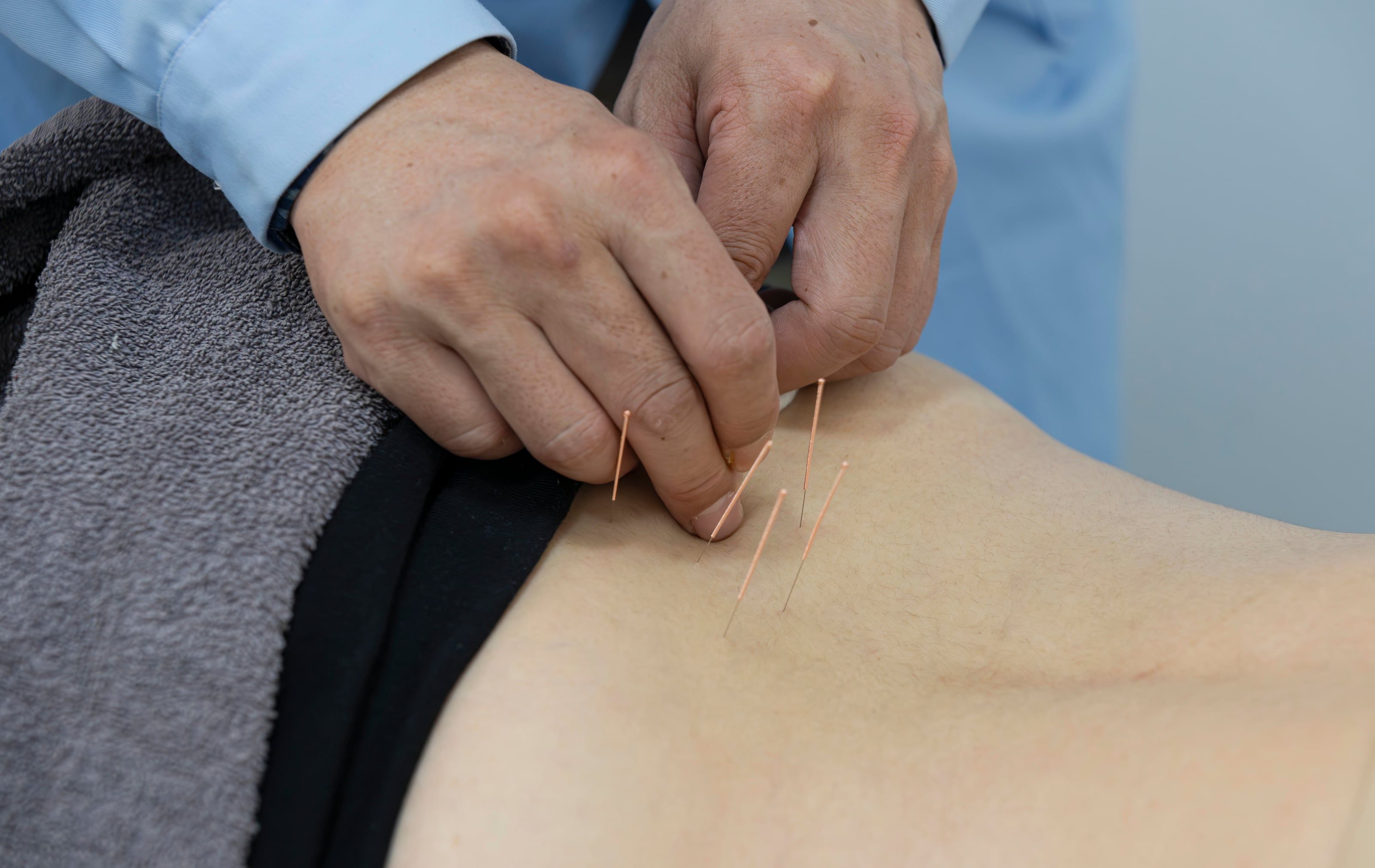
Acupuncture

Acupuncture in Mississauga, commonly used for pain and muscle tension. No referral needed, and direct billing to many insurance plans.

Learn more

Physio Taping

Physio taping in Mississauga for sports injuries and support during activity. Kinesiology or physio tape, applied by our physiotherapists.

Learn more

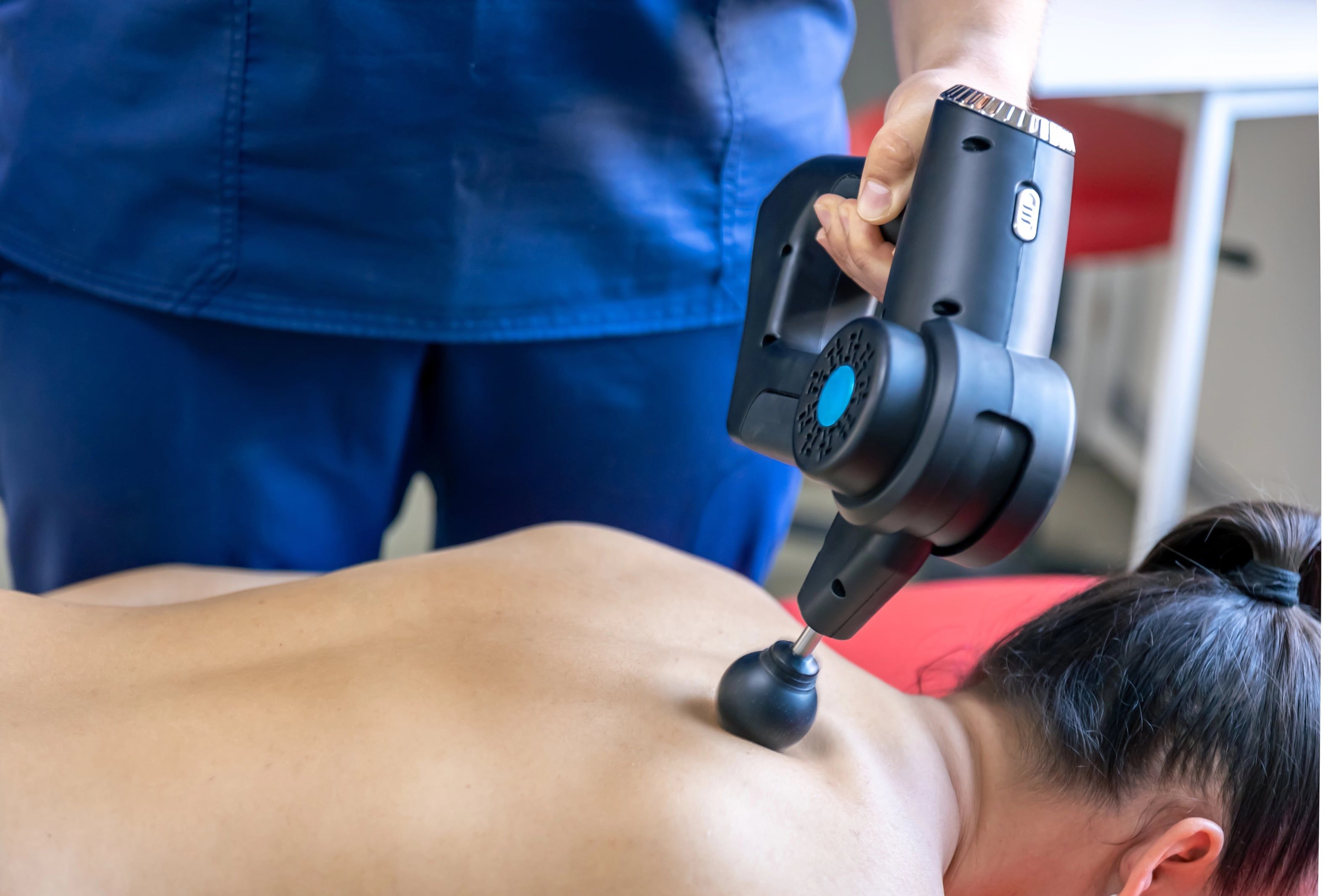
Shockwave Therapy

Shockwave therapy in Mississauga for plantar fasciitis and tendon pain. Part of physiotherapy, with no referral needed and direct billing to many plans.

Learn more

Post-Surgery Rehabilitation

Post-surgery rehabilitation in Mississauga after knee, hip, shoulder or ankle surgery. Physiotherapy that follows your surgeon's instructions.

Learn more

Manual Physiotherapy

Manual physiotherapy in Mississauga for stiff joints and tight muscles. Hands-on treatment by registered physiotherapists, with direct billing to many plans.

Learn more

Graston Technique

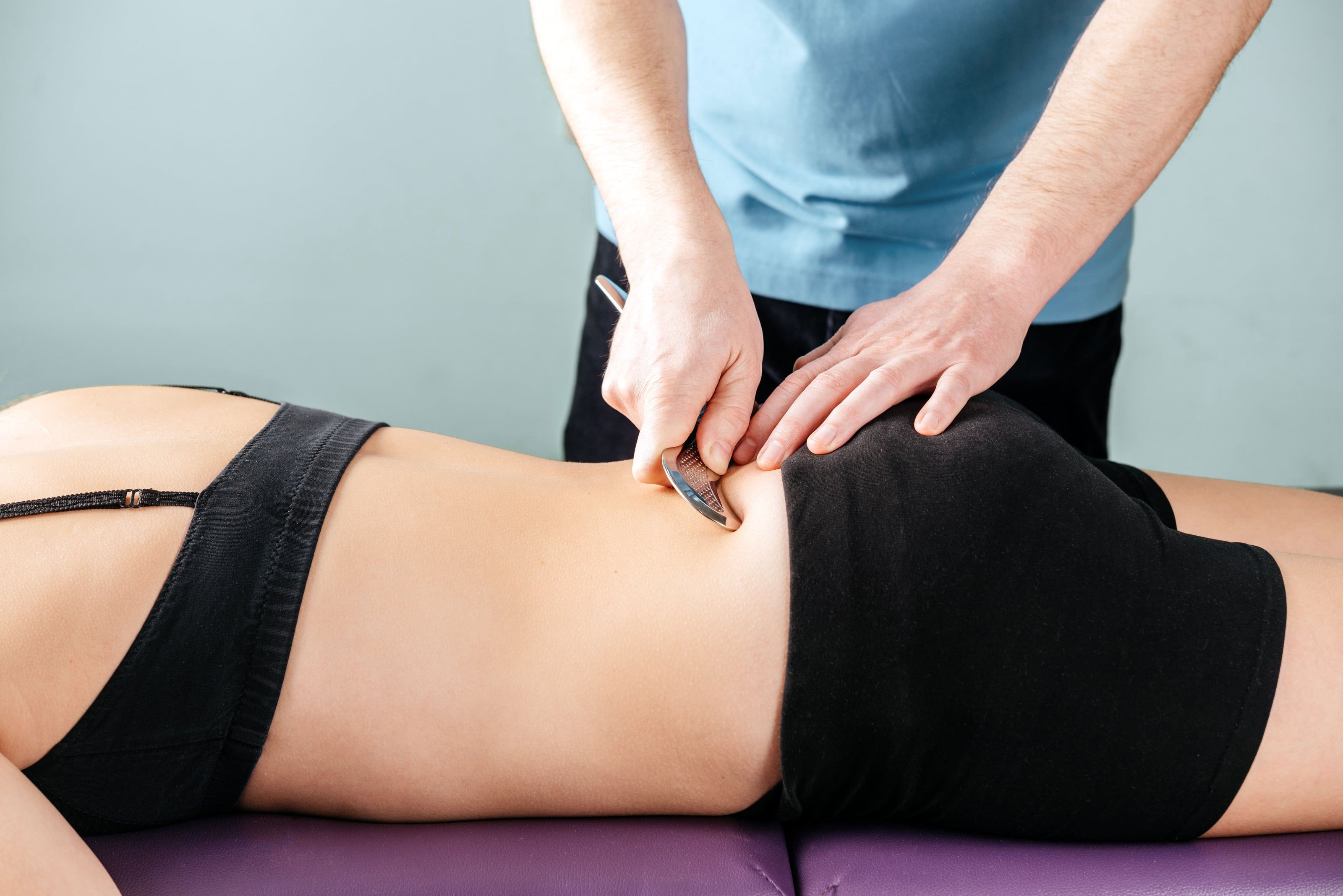
Graston technique in Mississauga for tendon and soft-tissue problems. Instrument-assisted soft-tissue work by our physiotherapists, no referral needed.

Learn more

Cold Laser Therapy

Cold laser therapy in Mississauga, given by our physiotherapists. Low-level laser for joint, tendon and soft-tissue pain, with direct billing to many plans.

Learn more

Custom Orthotics

Custom orthotics in Mississauga: insoles made to your feet. For foot, knee, hip or back pain linked to how your feet move, starting with an assessment.

Learn more

Physiotherapy

Physiotherapy in Mississauga for pain, injuries and recovery after surgery. Registered physiotherapists, no referral needed, direct billing to many plans.

Learn more

Who treats it.

Practitioners at EMPC who offer one of these modalities. Each one links to their profile, where you can book with them.

What to expect on the day.

Your first visit is an assessment of about an hour, ending with a plan.

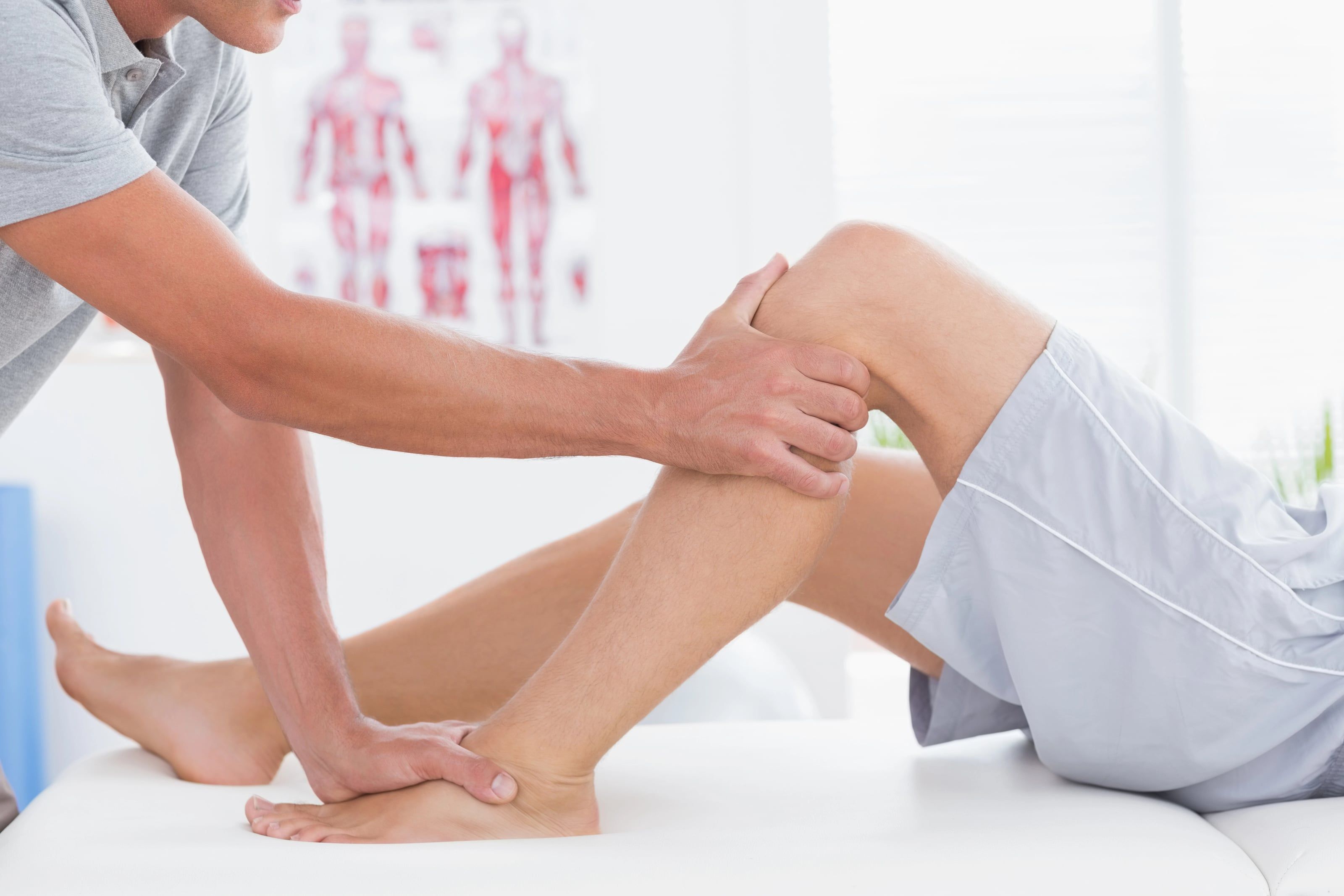
A patient performing a quad-strengthening exercise

Your history.

How it started, whether there was a twist or a blow, what makes it worse, any surgery you've had, and the activities you want to get back to.

A clinician palpating the knee joint during assessment

The assessment.

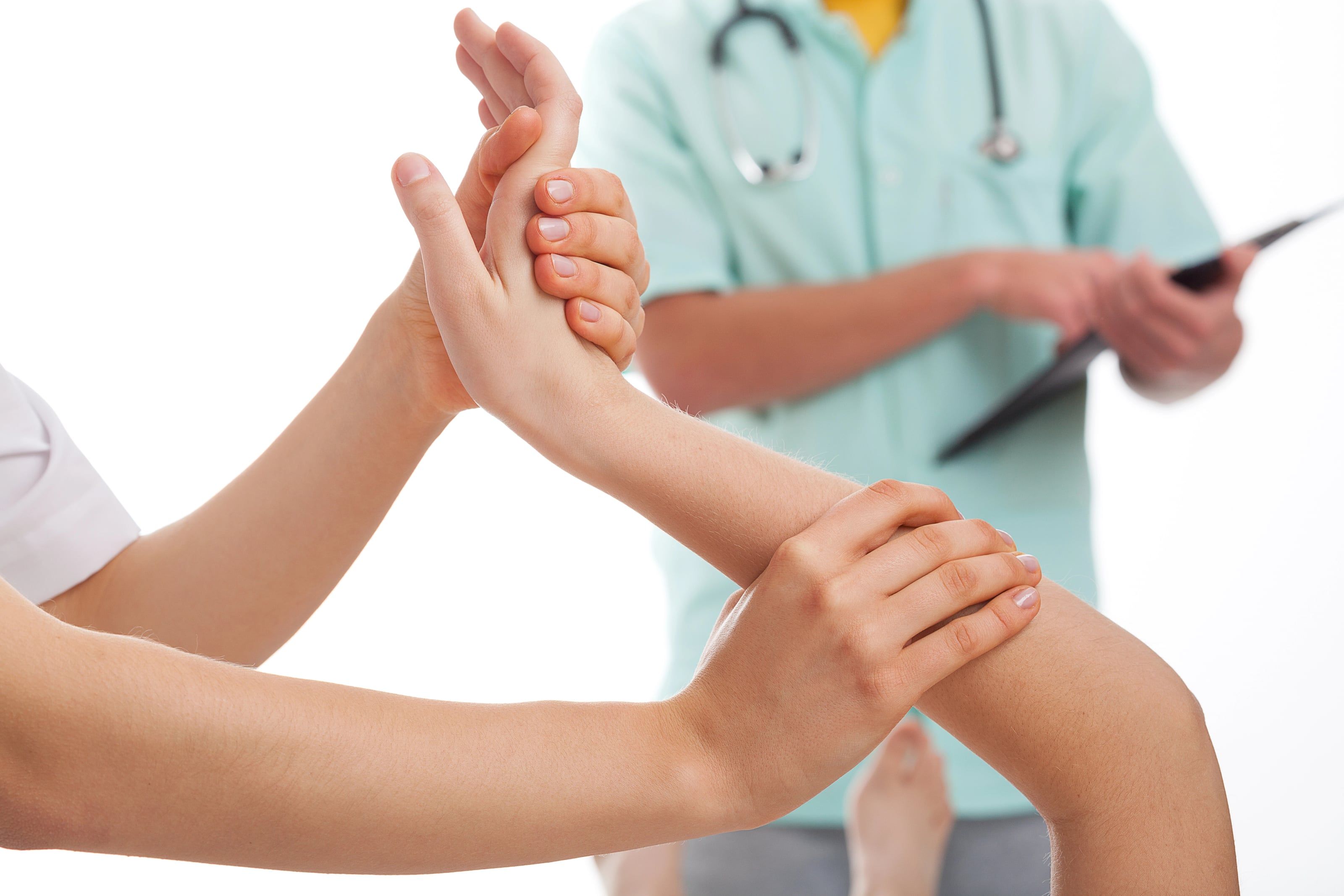
We test the knee's movement, strength and ligaments, check for swelling, and watch how you walk, squat and step up.

A practitioner's hand resting on a patient's knee in soft light

Your plan.

What we think is going on, what we'll do, what to ease off and what to do at home, and how often to come back.

What recovery actually looks like.

A typical course of care. Everyone's recovery is different, and your practitioner will tell you what to expect for yours.

First visits

Settle the knee.

Hands-on treatment, gentle movement, and advice on what to ease off while the pain and swelling settle.

Following weeks

Restore movement and strength.

Exercises progress as your knee allows, from bending and straightening to strength work for the thigh, hip and calf.

Later on

Return to activity.

Practice for stairs, longer walks, running or sport, and visits usually become less frequent.

After that

Keep it going.

A short strengthening routine of your own, and a check-in if the pain comes back.

Common questions

What patients most often ask.

Strengthening exercise for the thigh and hip muscles is a standard part of care for knee osteoarthritis, along with hands-on treatment and advice on pacing your activity. Staying active matters. Custom orthotics may help when the way your foot moves adds to the load on the knee.

Not always. Many people can keep running by cutting the distance or pace, or swapping some runs for cycling or swimming while the knee settles. Your practitioner can help you find an amount your knee tolerates and build back from there.

Yes. Rehabilitation after surgery is part of our physiotherapy. It works step by step on bending, straightening, strength and walking, within the limits your surgeon sets.

Often not. Most knee pain can be assessed by testing movement, strength and the ligaments. If your assessment points to a tear or a fracture that needs imaging or a doctor's review, your practitioner will tell you and refer you to your doctor.

Many extended health plans cover physiotherapy and acupuncture, and we can bill many insurers directly. Some plans cover custom orthotics, often with a doctor's prescription; check yours.
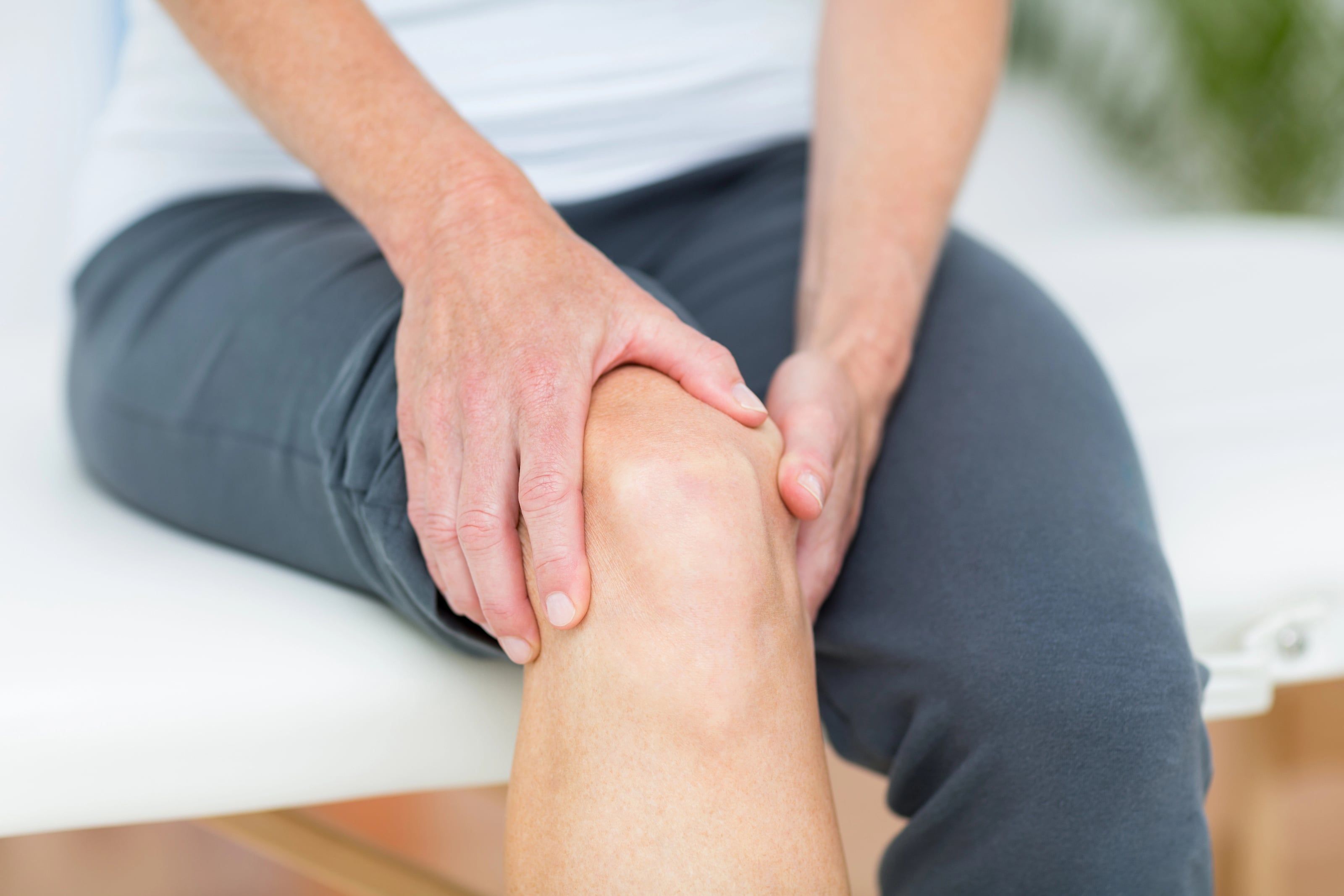
A person seated, hands resting around a tender knee
Same-week assessments available

Begin your recovery.

  • Phone (905) 270-5553
  • Address 1140 Burnhamthorpe Rd W, Unit 123